
Regions of Cyprus
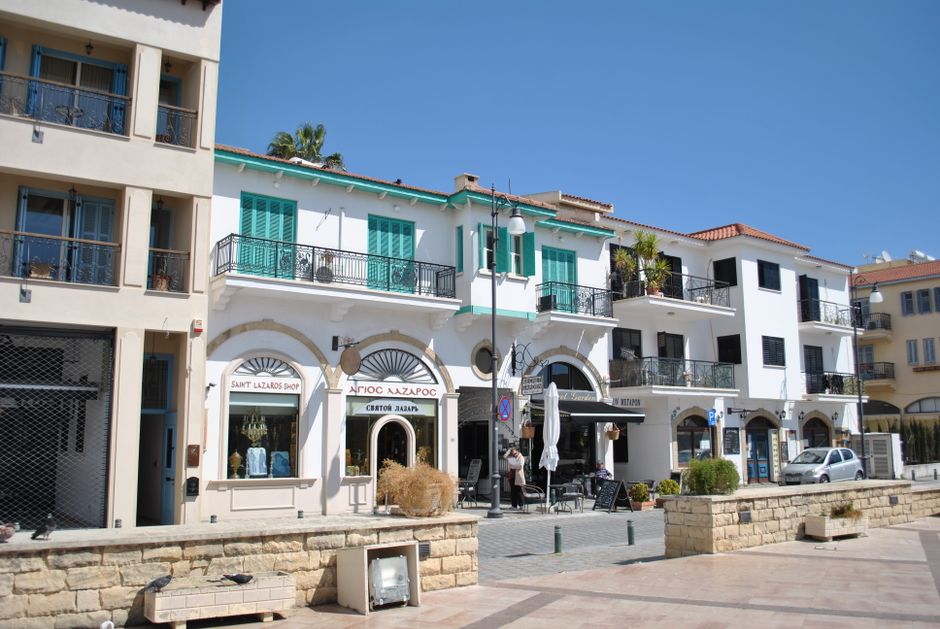
Cyprus’s Six Administrative Districts
This comprehensive Cyprus regions guide delves into the island’s administrative divisions, which are meticulously organized into six distinct districts: Nicosia, Limassol, Larnaca, Paphos, Famagusta, and Kyrenia. Nicosia, also known as Lefkosia, stands as the capital and the island’s bustling financial and cultural heart, uniquely bisected by the Green Line.
Limassol, or Lemesos, is a vibrant coastal city renowned for its dynamic port, historical castle, and thriving wine industry, while Larnaca, or Larnaka, serves as a primary gateway with its international airport and picturesque palm-lined promenade. Paphos, known as Pafos, is a UNESCO World Heritage site, celebrated for its ancient ruins, including the Tombs of the Kings and Aphrodite’s Rock, Petra tou Romiou.
The districts of Famagusta and Kyrenia, while historically significant, are largely situated within the area administered by the Turkish Republic of Northern Cyprus. However, the Republic of Cyprus maintains control over popular tourist destinations like Ayia Napa and Protaras, which fall within the government-controlled part of the Famagusta district, offering stunning beaches and lively entertainment.

Exploring Cyprus’s Diverse Natural Regions
Our Cyprus regions guide continues by exploring the island’s breathtaking natural landscapes, prominently featuring the majestic Troodos Mountains. This impressive range covers approximately one-third of the island’s landmass, with Mount Olympus proudly standing as the highest peak at 1,952 meters, offering cool retreats, picturesque villages, and historic sites like the revered Kykkos Monastery.
Further west, the Akamas Peninsula National Park, a protected nature reserve in the Paphos district, spans about 230 square kilometers of pristine wilderness. This area is largely inaccessible by paved roads, preserving its unique biodiversity and remote beaches like Lara Beach. To truly explore its interior and reach these secluded spots, renting a 4×4 vehicle is essential, as many standard rental car agreements prohibit driving on these unpaved, high-clearance-required routes.
The Limassol district also boasts the renowned wine-producing region known as ‘Krasochoria’, which translates to ‘Wine Villages’. This area encompasses 14 designated villages, each contributing to Cyprus’s rich viticultural heritage, including the production of the famous Commandaria dessert wine. These diverse natural regions offer unparalleled opportunities for adventure and cultural immersion.

Driving & Getting Around Cyprus’s Regions
Navigating Cyprus’s regions by car is generally straightforward, with excellent highway infrastructure connecting the major coastal cities. For instance, the average driving time between key urban centers such as Limassol to Paphos or Limassol to Larnaca is typically a convenient 45-60 minutes via the well-maintained highway network, making day trips highly feasible.
When planning excursions to the Troodos Mountains, especially during the winter months from December to March, it is crucial to monitor road conditions. Snowfall can occasionally lead to the closure of higher elevation roads, so travelers should consult the Cyprus Police website (police.gov.cy) or local news outlets for real-time updates to ensure safe passage.
For those venturing into the rugged beauty of the Akamas Peninsula, a 4×4 vehicle remains indispensable. The unpaved and challenging terrain requires a high-clearance vehicle, and attempting these routes in a standard rental car often violates rental agreements and risks significant damage, underscoring the importance of proper vehicle selection for this particular Cyprus regions guide.
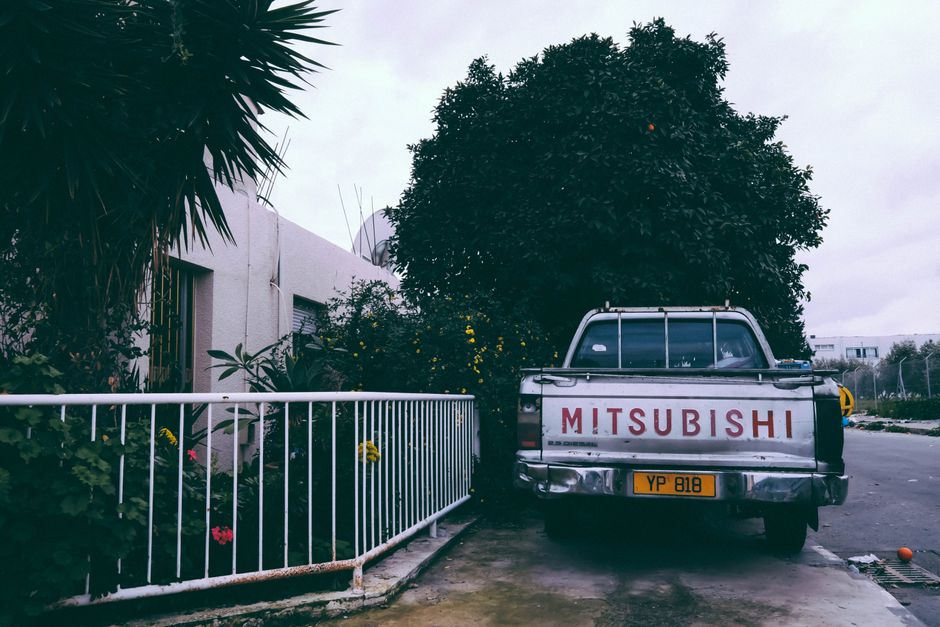
Navigating the Green Line & Northern Cyprus
A significant aspect of understanding Cyprus’s geography involves the Green Line, the buffer zone that separates the Republic of Cyprus from the Turkish Republic of Northern Cyprus. This zone, approximately 180 kilometers long, is monitored by the United Nations and has several designated crossing points for travelers.
When considering a visit to the TRNC, it is imperative to address rental car insurance. Most rental agreements from the Republic of Cyprus do not cover the northern part of the island. Visitors must purchase separate third-party insurance at border crossing points, such as Ledra Palace or Ayios Dhometios in Nicosia, which typically costs around EUR 20-30 for a 3-day period.
Once across, the Karpas Peninsula in the TRNC offers a distinct experience, renowned for its untouched natural beauty, including its iconic wild donkeys and the pristine sands of Golden Beach. This area provides a stark contrast to the southern regions, offering a glimpse into a different facet of the island’s diverse landscape and culture.