
Cost Of Living in Mexico
Average Daily Expenses: Food, Drinks & Local Transport
Managing the Cost of Travel Mexico begins with understanding daily outlays for essentials like food and local transport. A satisfying basic meal, known as a comida corrida, at a local fonda typically costs between 80-150 MXN, which is approximately 4-8 USD, offering excellent value. For beverages, a 0.5L domestic beer such as Corona or Pacifico at a neighborhood bar will usually set you back 30-50 MXN, roughly 1.50-2.50 USD, making social outings quite affordable.
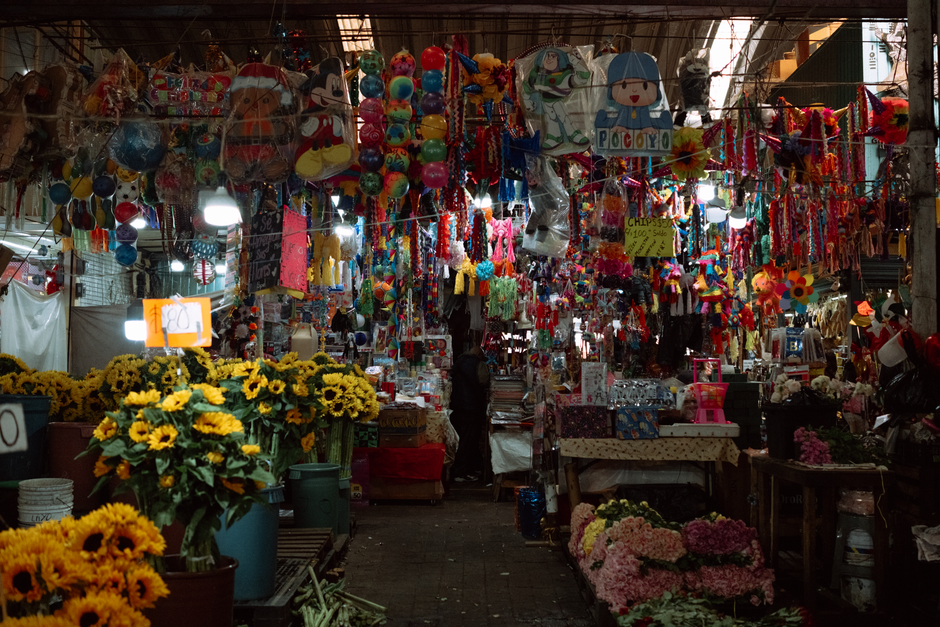
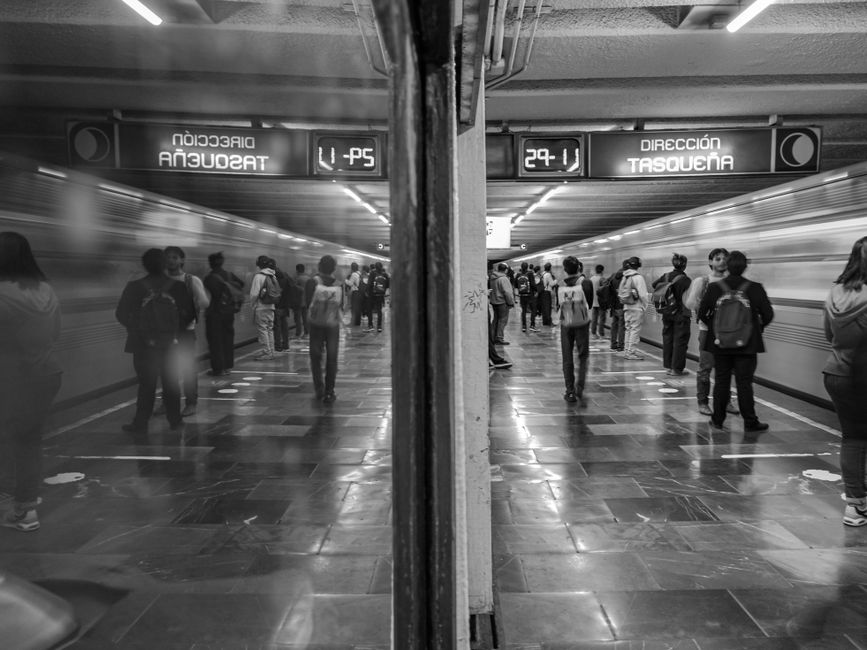
When it comes to groceries, major supermarket chains like Soriana, Chedraui, La Comer, and Walmart de México provide a wide range of products at competitive prices. However, for the freshest produce and authentic street food experiences, utilizing local markets, known as mercados, is highly recommended as prices are significantly lower than in tourist-centric shops. Public transportation in major cities like Mexico City is exceptionally economical; a single ride on the Metro or Metrobús costs a mere 5-6 MXN, approximately 0.25-0.30 USD, allowing for extensive exploration on a minimal budget.
Accommodation & Mobile Connectivity Costs
Accommodation expenses are a significant component of the overall Cost of Travel Mexico, yet budget-friendly options are plentiful outside prime tourist zones. A comfortable budget hotel room in non-prime areas typically averages 400-800 MXN per night, translating to approximately 20-40 USD, providing a solid base for your adventures. For even more economical stays, platforms like Hostelworld.com and Booking.com (when filtered by ‘hostel’ or ‘budget hotel’) offer a diverse selection of affordable lodging.
Staying connected is also very accessible, with local SIM cards providing excellent value. A 30-day plan from major mobile carriers such as Telcel or AT&T México, including 3GB of data, generally costs around 150-250 MXN, which is approximately 7.50-12.50 USD. Movistar also offers competitive plans, ensuring travelers can easily access maps, communicate, and share their experiences without incurring excessive costs.

Navigating Mexico: Local & Long-Distance Transport
Navigating Mexico is straightforward and cost-effective, with various transport options catering to different budgets and distances. For local travel within cities, ride-sharing apps like Uber, Didi, and InDriver are widely available and offer convenient services; a typical 5km taxi ride in major cities ranges from 70-150 MXN, approximately 3.50-7.50 USD, depending on traffic and time. Public transport systems such as Metro CDMX, Metrobús CDMX, and Mi Macro Periférico in Guadalajara are highly efficient and incredibly inexpensive.
For those planning to explore beyond city limits, the Cost of Travel Mexico for intercity journeys remains reasonable. The average price for a liter of regular gasoline (Magna) is 22-24 MXN, roughly 1.10-1.20 USD, making car rentals a viable option for some. However, for comfortable and affordable long-distance travel, ADO buses (ADO.com.mx) are an excellent choice, renowned for their extensive network and quality service; booking online often yields better prices than purchasing tickets at the station.

Smart Budgeting & Saving Tips
Effective budgeting is crucial for maximizing your experience while managing the Cost of Travel Mexico. A fundamental tip is to always pay in Mexican Pesos (MXN) to avoid unfavorable exchange rates often applied when paying in USD, especially in smaller shops or markets. This simple practice can lead to significant savings over your trip.
Embrace local markets, known as mercados, for daily necessities, fresh produce, delicious street food, and unique souvenirs; prices here are consistently lower than in tourist-centric shops and supermarkets. For intercity travel, consider the highly reliable ADO buses (ADO.com.mx); booking your tickets online in advance frequently secures better deals than purchasing them directly at the bus station, further stretching your travel budget.
Essential Payment Methods & Currency Advice
Understanding essential payment methods and currency advice is key to a smooth financial experience in Mexico. It is strongly advised to always pay in Mexican Pesos (MXN) to circumvent the less favorable exchange rates often imposed when transactions are made in USD, particularly in smaller establishments or local markets. While credit and debit cards are widely accepted in larger businesses and hotels, carrying a reasonable amount of local currency for smaller vendors and street food is always prudent.
Mexico also utilizes modern digital payment solutions; CoDi (Cobro Digital) is a local payment method for instant transfers via QR codes, supported by most Mexican banks. While primarily used by locals, it signifies the country’s move towards digital transactions. Always inform your bank of your travel plans to avoid any card suspensions and be aware of ATM fees, which can vary significantly between different banks.