
Chasing Summer Sun: Tbilisi’s Heat & Batumi’s Beach Bliss
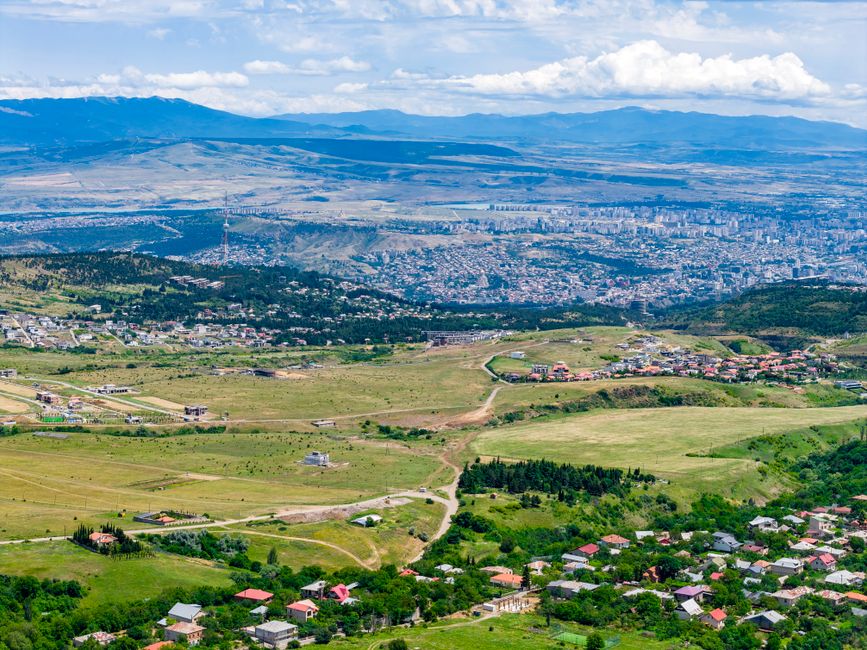
Imagine yourself basking in the glorious Georgian summer, where Tbilisi truly sizzles with vibrant energy! You’ll find average July temperatures hovering between a delightful 25-30°C, often soaring above a glorious 35°C, making those shaded cafes and cool wine cellars utterly inviting. This continental climate in Eastern Georgia, including regions like Kakheti, promises long, sun-drenched days perfect for exploring ancient streets and vineyards.
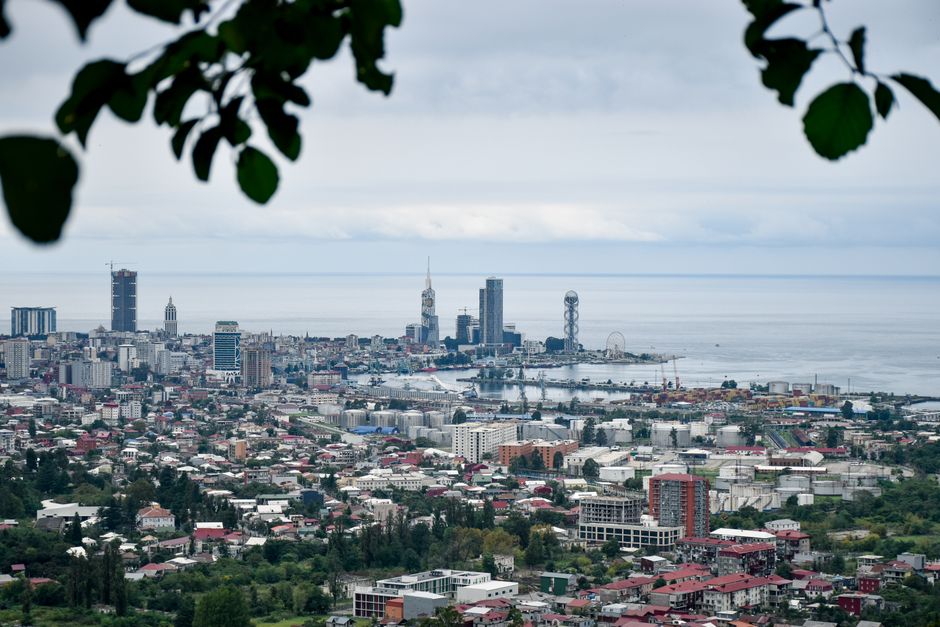
Then, escape to the Black Sea coast, where Batumi offers a humid subtropical climate that’s pure beach paradise. Picture yourself diving into the inviting waters, with the Black Sea reaching a blissful 26-28°C in August, absolutely perfect for swimming and soaking up the sun. Remember, if you’re planning your beach days in Batumi, mornings are your golden ticket for uninterrupted bliss, as the afternoons often bring refreshing, albeit short-lived, thunderstorms.

Winter Wonderland: Conquering Georgia’s Snowy Peaks
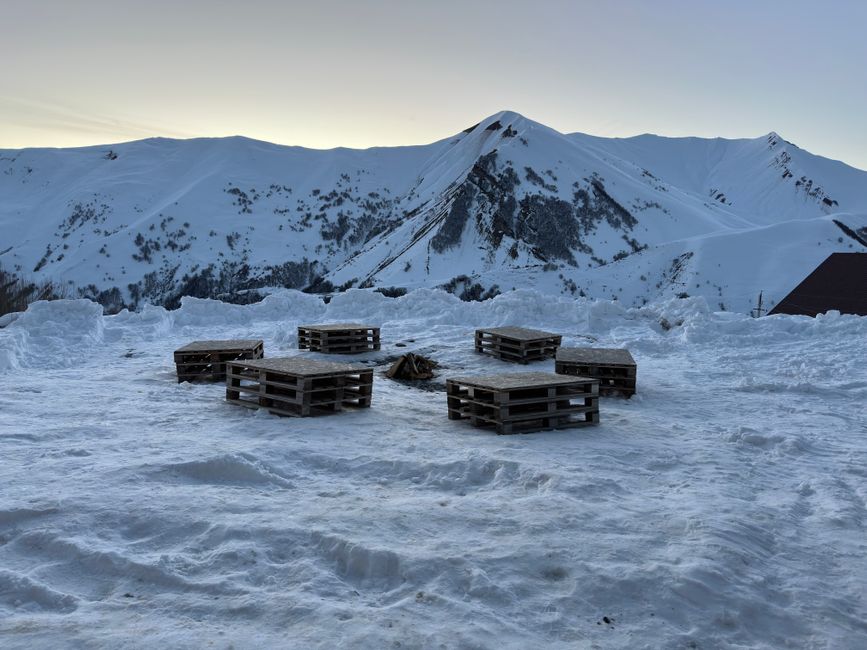
If your heart yearns for majestic snow-capped vistas and crisp, invigorating air, Georgia’s winter will absolutely captivate you. The Greater Caucasus Mountains, home to an awe-inspiring Alpine climate, transform into a breathtaking wonderland, inviting you to embrace the chill.
Picture yourself in Svaneti, perhaps in the charming town of Mestia, where average snowfall often exceeds a staggering 2 meters, creating a pristine playground for winter sports enthusiasts. January sees temperatures frequently dropping below a bracing -10°C, promising that authentic, exhilarating winter experience you’ve been dreaming of. This is where your adventurous spirit truly comes alive!
Batumi’s Rainy Charms: Embracing the Humid Coast
Don’t let a little rain deter you from the unique allure of Batumi’s Black Sea coast; it’s all part of its humid subtropical charm! This region is renowned as one of Europe’s wettest, receiving an average annual rainfall of approximately 2500 mm, which contributes to its lush, vibrant greenery.
You’ll often experience frequent afternoon showers in summer, which are usually heavy but brief, leaving behind a fresh, clean atmosphere. Embrace these moments to duck into a cozy cafe, savor some aromatic Georgian tea, or explore the city’s fantastic museums and galleries, before the sun inevitably reappears to dry the pavements and invite you back out.
Your Seasonal Compass: When to Visit & What to Pack for Georgia
Navigating the diverse climates of Georgia is key to an unforgettable trip, and this Georgia weather travel guide is your perfect companion. For those dreaming of epic hikes in the Greater Caucasus, like Svaneti or Kazbegi, the optimal window is late June to mid-September, when trails are gloriously clear of snow and the weather is at its most stable and inviting.
A crucial insider tip for your packing list: always, always pack layers, even if you’re visiting in the height of summer! Especially when venturing into the mountains, temperatures can drop significantly at higher altitudes, and evenings can become surprisingly cool. Before you go, consider checking the forecasts from the Georgian National Environment Agency (საქართველოს გარემოს ეროვნული სააგენტო) for the most up-to-date information.
Whether you’re chasing summer sun or winter snow, understanding the nuances of Georgia’s climate ensures you’re perfectly prepared for every adventure. This comprehensive Georgia weather travel guide empowers you to make the most of your journey, no matter the season.

Mountain Road Adventures: Navigating Georgia’s High Passes
Embarking on a mountain road adventure in Georgia is an exhilarating experience, but knowing the seasonal conditions is paramount for your safety and enjoyment. High mountain passes, such as the iconic Jvari Pass leading to the majestic Kazbegi (Stepantsminda), are typically snow-closed or require robust 4×4 vehicles equipped with chains from late October right through to late April.
Before you set off on your journey to these breathtaking regions during the shoulder seasons (April-May, October-November), it’s absolutely essential to check current road conditions. The official Roads Department of Georgia (საქართველოს საავტომობილო გზების დეპარტამენტი) website, georoad.ge, is your go-to resource for real-time updates on pass closures. Planning ahead ensures your mountain exploration is smooth, safe, and utterly spectacular!