
Food And Drink in Germany
Average Food & Drink Prices in Germany
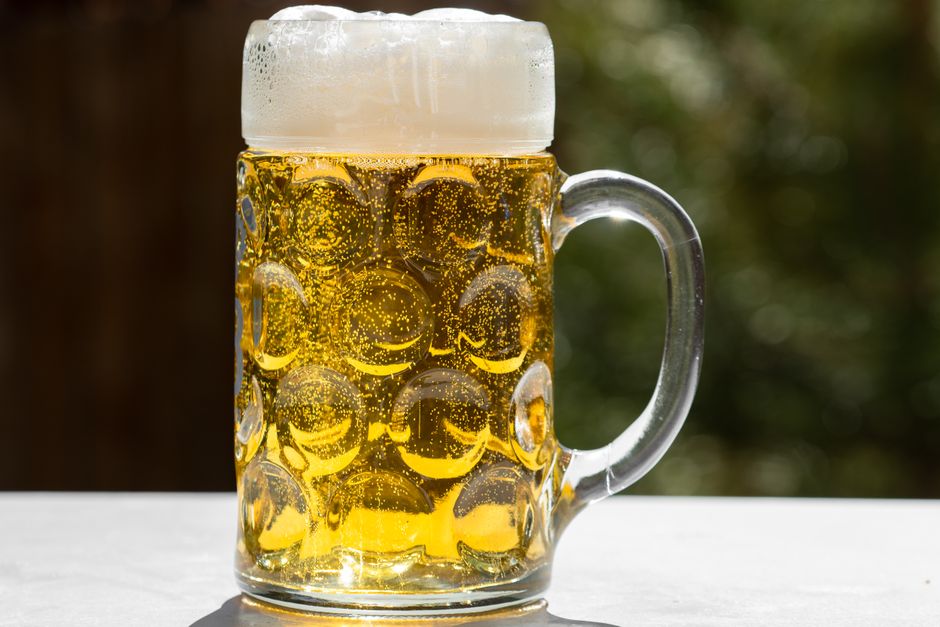
Navigating the culinary landscape of Germany is straightforward when you understand the typical costs. For instance, a refreshing 0.5L draft beer, such as a Pilsner from brands like Krombacher or Bitburger, averages approximately €4.00 in most pubs or restaurants. When dining out, expect a main course at a mid-range establishment to cost between €15.00 and €20.00, reflecting the quality and portion sizes. It is also important to note that Value Added Tax (VAT) on food purchased in supermarkets is 7%, while for meals consumed in restaurants, it is 19%.
Tipping in Germany is not strictly mandatory but is certainly appreciated for good service; a 5-10% tip or simply rounding up the bill is a common practice. For those enjoying beverages, the legal drinking age for beer and wine is 16, while for spirits, it is 18. Furthermore, if you plan to visit local bakeries for fresh Bretzel or pastries, they typically open early around 6:00 AM and close by 6:00 PM on weekdays, with shorter hours on Saturdays and usually remaining closed on Sundays, a key detail for any comprehensive German food and drink guide.
Must-Try German Dishes & Beverages
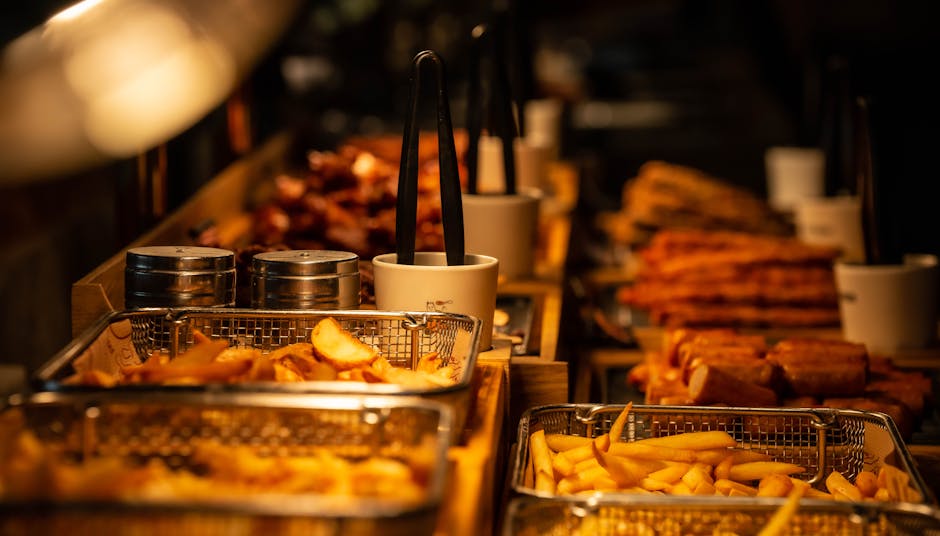
Germany’s culinary heritage offers a rich tapestry of flavors, with several dishes standing out as essential experiences. Indulge in the iconic Currywurst, a steamed and fried pork sausage smothered in curry ketchup, often served with fries. No German food and drink guide would be complete without mentioning Schnitzel, a thin, breaded, and pan-fried cutlet, or the ubiquitous Bratwurst, with regional variations like Thüringer Rostbratwurst. Other must-try specialties include the hearty Spätzle egg noodles, the classic Bretzel, the slow-cooked Sauerbraten, the robust Eisbein, and for dessert, the world-renowned Schwarzwälder Kirschtorte (Black Forest Cake).

Where to Eat & Shop for Food
For daily groceries and household essentials, Germany boasts a robust network of supermarkets. Major chains like Edeka and Rewe offer extensive selections, including fresh produce and specialty items, while discount retailers such as Lidl, Aldi Süd, and Aldi Nord are popular for their competitive prices and private-label brands. These stores are vital for anyone looking to self-cater or explore local ingredients as part of their German food and drink guide.
When dining out, you will encounter diverse establishments. Traditional ‘Gasthaus’ or ‘Gasthof’ offer hearty regional cuisine, while a ‘Brauhaus’ provides locally brewed beers alongside classic dishes. During warmer months, a ‘Biergarten’ is the perfect spot for outdoor dining and drinks. For quick bites, an ‘Imbiss’ stand is ideal for Currywurst or Bratwurst. For the convenience of home delivery, Lieferando.de stands as the leading online food delivery platform across Germany, connecting you with a vast array of restaurants.

Essential Dining Tips & Etiquette
To enhance your dining experience in Germany, always look for ‘Mittagsmenü’ (lunch specials) available on weekdays, typically between 11:30 AM and 2:30 PM. These specials often provide significant savings, up to 30-50% off dinner prices, for the same high-quality food. When seeking truly authentic German cuisine, prioritize ‘Gasthaus’ or ‘Brauhaus’ establishments, especially those located slightly off the main tourist routes, and exercise caution with restaurants displaying overly extensive multi-language menus or numerous food pictures, which can sometimes indicate a more tourist-oriented offering.
While card payments are becoming increasingly prevalent, many smaller cafes, bakeries, and traditional ‘Imbiss’ (snack stands) still operate on a cash-preferred or even cash-only basis. To avoid any inconvenience during your culinary explorations, it is always advisable to carry some euros, such as €20-€50, ensuring you are prepared for any transaction. Understanding these nuances will significantly enrich your journey through Germany’s vibrant food and drink culture.