
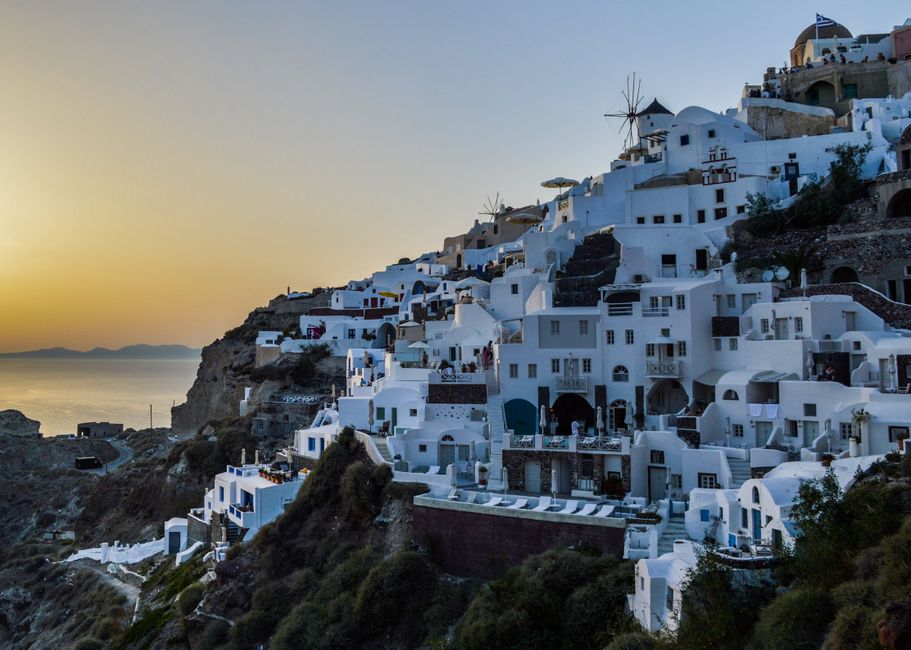
Chasing the Sun: Greece’s Glorious Summer & Island Breezes
Imagine yourself basking under the glorious Greek sun, where summer truly comes alive! In Athens, you’ll experience average August daytime temperatures soaring to a sizzling 33°C (91°F), often climbing above 38°C (100°F) during those intense heatwaves, perfect for sun-drenched explorations.
Head to the iconic Cycladic islands like Mykonos and Santorini, and you’ll find July averages a delightful 28-30°C (82-86°F), often feeling even more refreshing thanks to the famous ‘Meltemi’ winds. This strong, dry northerly breeze, most prevalent from June to September, is your natural air conditioning, but remember to pack a light jacket or scarf for those breezy summer evenings, as ferry schedules can sometimes be affected by its power.
Greece blesses you with over 250 days of sunshine annually, with July and August boasting a spectacular 12-14 hours of daylight and minimal cloud cover, inviting you to dive into the crystal-clear waters. The Aegean Sea itself transforms into a warm embrace, reaching a comfortable 24-26°C (75-79°F) from July to September, making every swim an absolute dream. This comprehensive Greece weather guide helps you plan for endless summer bliss.
To truly conquer the summer heat, always carry a reusable water bottle and slather on high SPF sunscreen (SPF 30+) with a wide-brimmed hat, especially when the sun is at its peak between 11:00 and 16:00. You’ll be ready to soak up every vibrant moment without a worry!

Unlock Greece’s Sweet Spot: When to Visit for Perfect Weather
If you’re dreaming of Greece with fewer crowds and utterly perfect temperatures, let me share an insider secret: target May-June or September-October for your unforgettable getaway. These shoulder seasons offer a magical balance, with temperatures typically ranging from a comfortable 20-28°C (68-82°F).
During these months, you’ll still enjoy abundant sunshine, echoing Greece’s impressive 250+ sunny days annually, but with a gentle warmth that’s ideal for exploring ancient ruins, charming villages, and scenic hikes. Imagine leisurely strolls without the intense summer heat, allowing you to truly immerse yourself in the culture.
Even better, the Aegean Sea remains wonderfully inviting in September, still boasting those comfortable 24-26°C (75-79°F) temperatures, perfect for a refreshing dip without the peak season bustle. Plus, you’ll often find accommodation prices are a delightful 20-30% lower than during the height of summer, giving your budget a happy boost. This part of our Greece weather guide ensures you snag the best deals and conditions.

Beyond the Beaches: Experiencing Greece’s Cooler Seasons
While Greece is famous for its sun-drenched summers, don’t overlook the unique charm of its cooler seasons, offering a different kind of adventure. In January, Athens experiences an average daytime temperature of a mild 13°C (55°F), perfect for exploring historical sites without the crowds, though occasional cold snaps can drop it to 5°C (41°F); snow in the city center is a rare, beautiful sight.
The winter months, particularly December and January, are the wettest, with Athens averaging 60-70mm of rainfall per month, creating lush landscapes and a cozy atmosphere. However, be aware that western Crete can see significantly higher amounts, transforming its rugged terrain into a vibrant green.
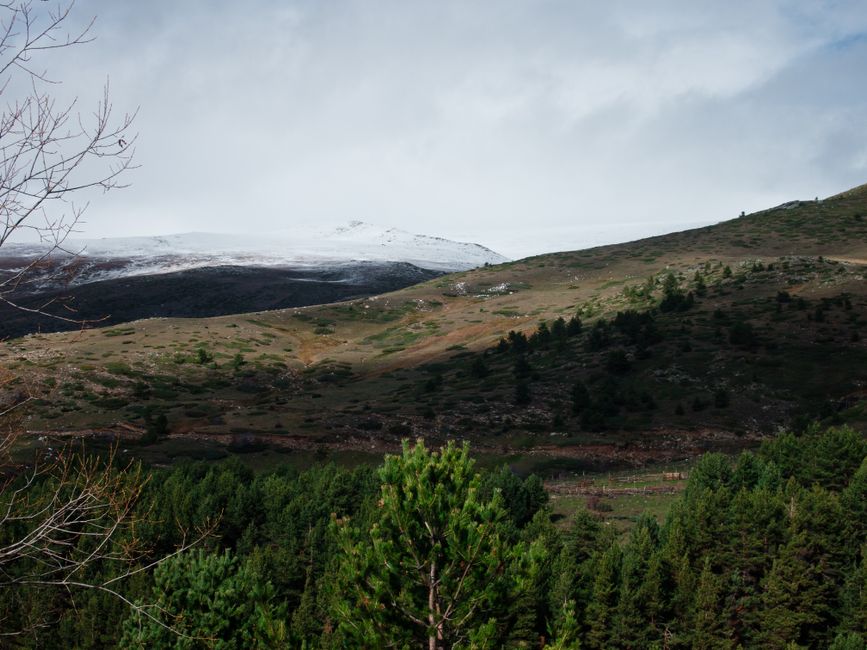
For those who crave a true winter wonderland, the majestic Pindus Mountains, the main mountain range in mainland Greece, are renowned for their colder winters and higher snowfall, offering stunning snowy vistas and opportunities for unique experiences. Even if you’re visiting mountainous regions like Meteora or the Peloponnese interior in summer, remember to pack layers, as temperatures can drop significantly after sunset, making a light jacket indispensable.
Embrace the crisp air and discover a Greece that’s rich in culture and natural beauty, far beyond its famous beaches. This Greece weather guide encourages you to explore every facet of this incredible country, no matter the season.
Packing Like a Pro: Your Essential Greek Weather Checklist
To truly master your Greek adventure, packing smart is your secret weapon, ensuring you’re ready for every delightful twist in the weather. For those glorious summer days, high SPF sunscreen (SPF 30+), a wide-brimmed hat, and a reusable water bottle are non-negotiables, especially between 11:00 and 16:00 when the sun is most intense.
If your journey takes you to the Cycladic islands, remember that the ‘Meltemi’ wind can be quite strong; a light jacket or scarf will be your best friend for those enchanting summer evenings, keeping you comfortable as you dine al fresco. Even when exploring mountainous regions like Meteora or the Peloponnese interior, pack layers, as temperatures can surprisingly drop after sunset, even in the warmest months.
For cooler seasons, think layers: a waterproof jacket for those occasional December and January showers, comfortable walking shoes for city explorations, and warmer sweaters for evenings. Always stay informed by checking the official Hellenic National Meteorological Service (HNMS – ΕΜΥ) for the most accurate forecasts before you travel.
And for sea-faring adventures, the Poseidon System offers invaluable operational oceanography and marine environmental monitoring for the Aegean and Ionian Seas, providing detailed sea forecasts that can help you plan your island hopping with confidence. With these tips, you’ll be perfectly prepared for whatever Greece’s magnificent climate throws your way!