
Savoring the Flavors of Maldivian Life: What Will a Local Feast Cost You?
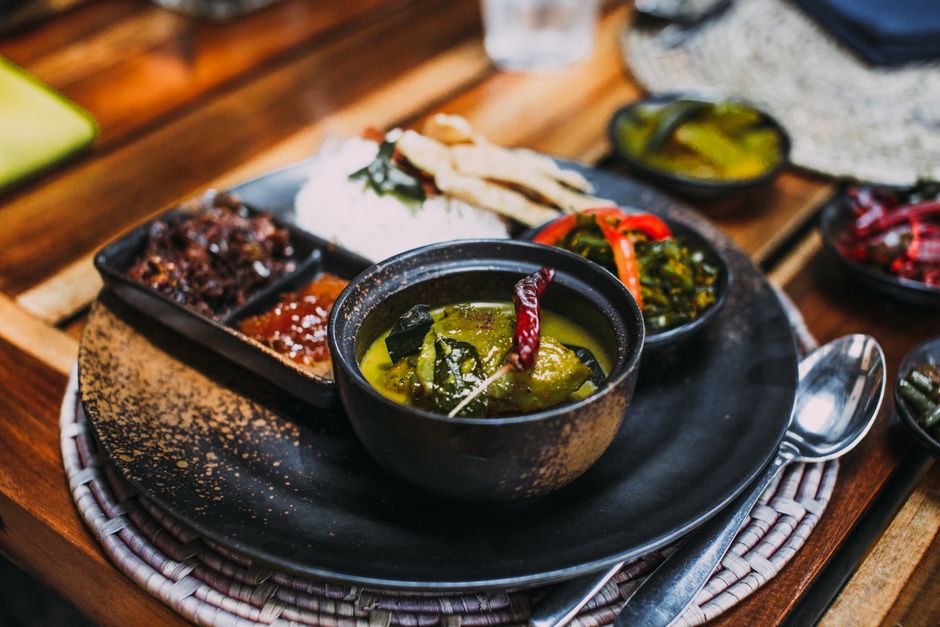
Prepare your taste buds for an explosion of flavors as you dive into the heart of Maldivian cuisine! Forget fancy resort dining for a moment and imagine yourself at a bustling local café in Malé, where the air is thick with aromatic spices and the promise of an authentic meal. You absolutely must try Garudhiya, a clear fish broth, often served with rice and a side of Theluli Mas, a deliciously fried fish.
The best part? This incredible, soul-satisfying local meal experience won’t break your budget. A typical feast like Garudhiya with rice and Theluli Mas will set you back approximately MVR 50-80, offering an unbeatable value for such fresh, vibrant flavors. It’s a fantastic way to truly immerse yourself in the local culinary scene and connect with the island’s heartbeat.
Beyond full meals, keep an eye out for Hedhikaa, the traditional Maldivian snacks that are perfect for a quick bite or an afternoon treat. These savory and sweet delights, from crispy fried parcels to sweet dumplings, are a staple of daily life and offer another delicious window into the local culture. Exploring these culinary gems is a vital part of any comprehensive Maldives culture guide, promising delightful discoveries at every turn.
Unlocking Local Secrets: Essential Etiquette for Your Island Adventure
Venturing beyond the resorts to explore local islands is where the true magic of the Maldives unfolds, and a little cultural understanding goes a long way in enriching your journey. When visiting mosques or local communities, remember that respect is paramount. For women, this means wearing clothing that covers your shoulders and knees, while men should opt for shorts or trousers that fall below the knee.
Capturing memories is wonderful, but always remember to ask for permission before taking photos of local people, especially women and children. This simple gesture of respect ensures comfort and builds a genuine connection, allowing you to truly engage with the community rather than just observe. It’s a small act that makes a huge difference in your interactions.
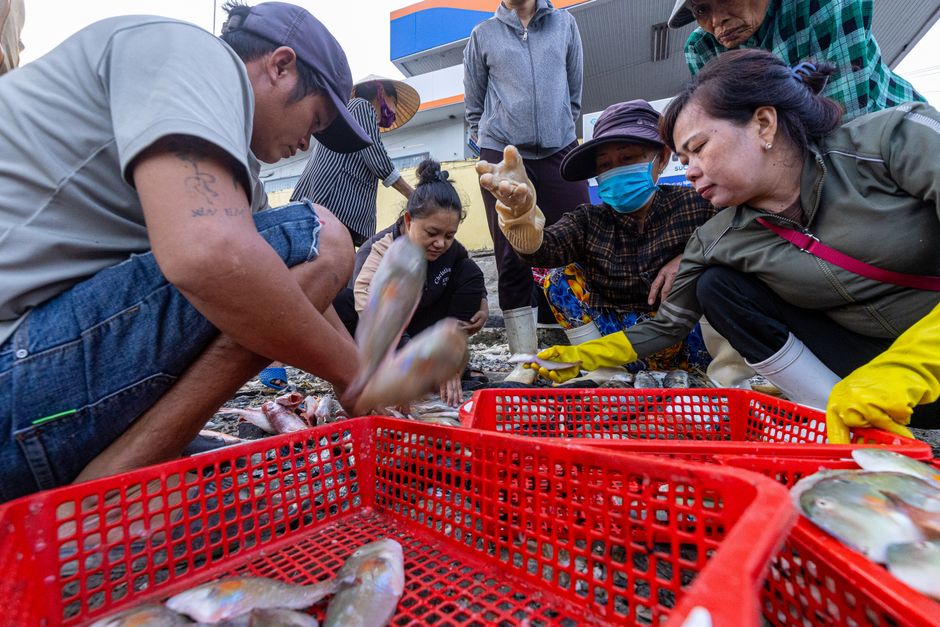
If your visit coincides with the holy month of Ramadan, you’ll witness a deeply spiritual time. Many local eateries on inhabited islands may close during daylight hours, and it’s considered respectful to avoid eating, drinking, or smoking in public during fasting hours. For an authentic glimpse into daily life, head to the local fish and fruit markets in Malé early in the morning, around 6-8 AM, to see fishermen bringing in their fresh catch and local produce arrive – it’s a vibrant, bustling insight into the heart of the Maldives culture guide.
Rhythms of the Reef: Experiencing Maldives’ Vibrant Traditions
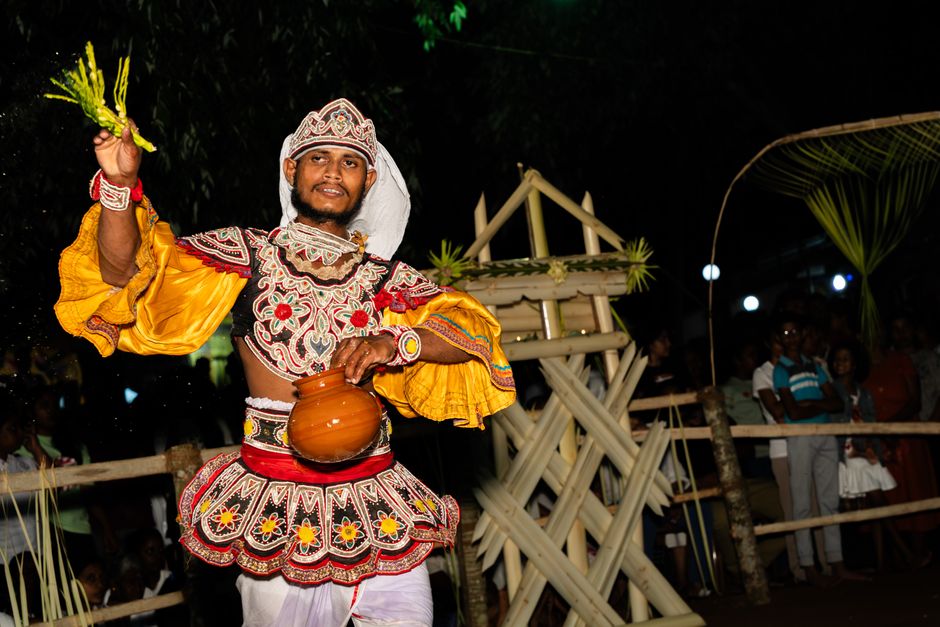
Feel the pulse of the islands come alive through the captivating rhythms of Maldivian music and dance! The Boduberu, a traditional drum dance, is an absolute must-see, a powerful and energetic performance that will have your feet tapping. You’ll be mesmerized as performers, often in groups of 15-20 men, beat drums crafted from coconut wood and goat hide, their voices rising in unison.
These vibrant Boduberu performances typically last 15-20 minutes, building to a thrilling crescendo that perfectly embodies the joyous spirit of the Maldivian people. It’s an ancient tradition, passed down through generations, and witnessing it live is an unforgettable experience that connects you directly to the soul of the islands.
If you’re lucky enough to visit during Eid al-Fitr, marking the end of Ramadan (typically in April or May, depending on the lunar calendar), you’ll be treated to widespread celebrations. Local islands burst with life as communities engage in traditional games like “Koadi Kendun” and “Boli Dhigu,” showcasing the playful and communal side of Maldivian heritage. These festivals offer a spectacular, immersive dive into the living traditions that define the Maldives culture guide.

Beyond the Beaches: Exploring Maldives’ Rich History and Heritage
While the pristine beaches are undeniably alluring, the Maldives offers so much more than just sun and sand; it boasts a rich tapestry of history and heritage waiting for you to uncover. Start your journey into the past at the Maldivian National Museum, nestled within the serene Sultan Park in Malé. Here, you can wander through fascinating exhibits that tell the story of the islands, from ancient artifacts to royal regalia.
The entrance fee for foreigners is a modest MVR 100, a small price to pay for such a profound insight into the nation’s identity. You’ll gain a deeper appreciation for the Maldivian journey, understanding how this unique island nation has evolved over centuries.
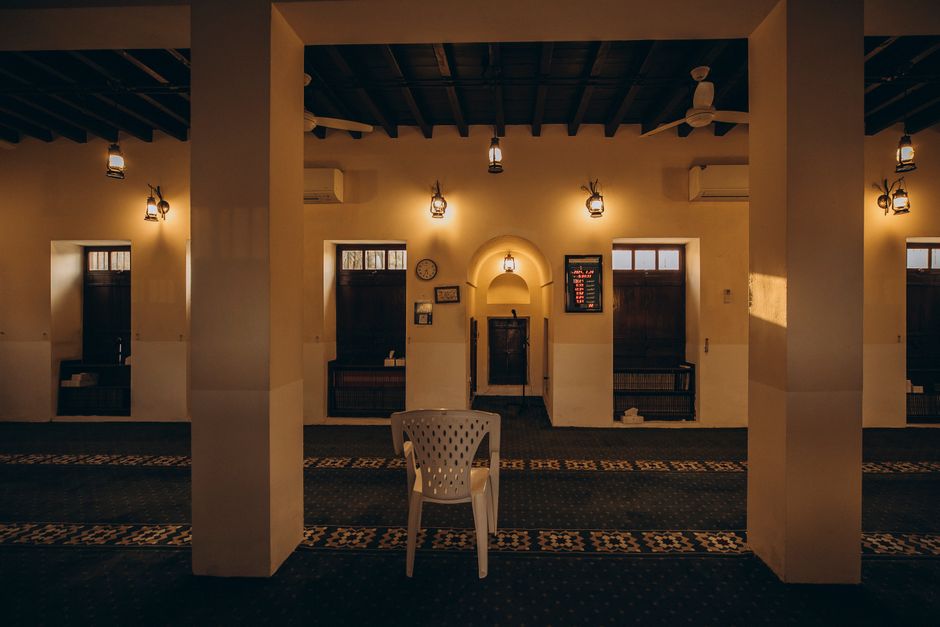
Don’t miss the Hukuru Miskiy, also known as the Old Friday Mosque, in Malé. Built in 1658, this UNESCO tentative site is a breathtaking example of coral stone craftsmanship, featuring intricate carvings and a distinctive minaret. And keep an eye out for the Dhoni, the traditional Maldivian wooden boat; these iconic vessels are not just transport but a powerful symbol of the islanders’ enduring connection to the sea, a cornerstone of the Maldives culture guide.
Chatting with Locals: Your First Dhivehi Phrases for a Warmer Welcome
Imagine the smiles you’ll receive when you greet locals in their own language! Learning a few basic phrases in Dhivehi, the official language of the Maldives, is one of the most rewarding ways to enhance your travel experience and forge genuine connections. It shows respect and opens doors to warmer interactions.
Start with the essentials: a friendly “Assalaamu alaikum” means hello, and you’ll find it’s met with immediate warmth and appreciation. When you want to express gratitude, a heartfelt “Shukuriyaa” (thank you) will go a long way in showing your appreciation for their hospitality and kindness.
These simple phrases are more than just words; they are keys to unlocking more meaningful encounters. You’ll find that locals are often delighted to help you practice, making your journey through this beautiful archipelago even more personal and memorable. Embrace the opportunity to connect on a deeper level – it’s an invaluable part of your Maldives culture guide adventure!