
Internet in Mexico
Getting a Local SIM Card in Mexico
Securing a local prepaid SIM card, often referred to as a ‘chip’, is an essential step for any tourist visiting Mexico who desires reliable and affordable connectivity. A typical Mexico SIM card for tourists, offering between 3GB and 5GB of data with a 30-day validity, generally costs MXN 150-300, which is approximately USD 8-16, providing excellent value compared to international roaming.
The most straightforward way to acquire a SIM card is upon arrival; look for a Telcel ‘Amigo Kit’ at any OXXO convenience store, official Telcel store, or authorized distributor. It is crucial to ensure your mobile phone is unlocked by your home carrier before traveling to Mexico, as a locked device will not accept a local SIM card.
Beyond Telcel, other prominent providers like AT&T Mexico and Movistar also offer competitive prepaid plans, while Mobile Virtual Network Operators (MVNOs) such as Cierto and FreedomPop present additional budget-friendly options for data and calls.

eSIM Options for Mexico Travelers
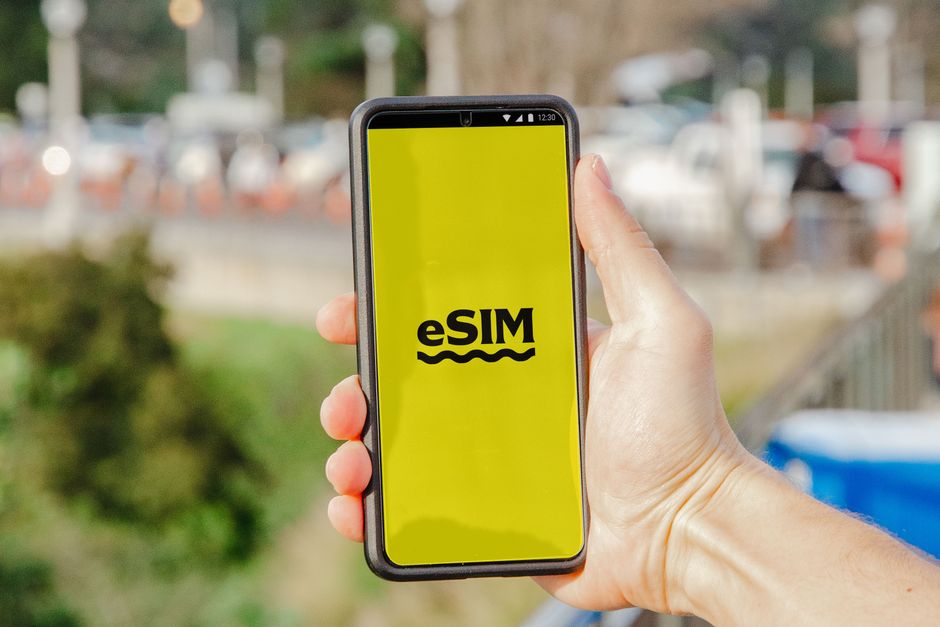
For modern travelers seeking ultimate convenience and flexibility, eSIM technology presents an excellent alternative to a physical Mexico SIM card for tourists. An eSIM allows you to digitally activate a data plan without needing to swap out a physical card, making it ideal for short trips, multi-country itineraries, or those with dual-SIM compatible phones.
Leading global eSIM providers such as Airalo (airalo.com) and Holafly (holafly.com) offer various data packages specifically tailored for Mexico, which can be purchased and installed directly from your smartphone before or upon arrival. This digital solution eliminates the hassle of finding a local store and ensures you are connected the moment you land.
Activating an eSIM is typically a simple process involving scanning a QR code, providing instant access to mobile data and avoiding any potential language barriers or compatibility issues with physical SIM trays.

Mobile Coverage, Speeds & Top Providers
Mexico boasts an impressive internet penetration rate of approximately 80% as of 2023, with mobile internet serving as the primary access method for a significant portion of the population. Telcel stands out as the dominant provider, offering the widest 4G LTE coverage across Mexico, reaching over 90% of the population, ensuring robust connectivity in most urban and many rural areas.
Furthermore, Telcel is actively expanding its 5G network, with next-generation speeds increasingly available in major metropolitan centers like Mexico City, Guadalajara, and Monterrey. Average mobile download speeds for 4G LTE in Mexico typically range between 30-40 Mbps, which is more than sufficient for streaming, navigation, and social media.
In 5G-covered regions, users can experience significantly faster speeds, potentially exceeding 100 Mbps, providing a seamless online experience. While Telcel (telcel.com) leads, AT&T Mexico (att.com.mx) and Movistar (movistar.com.mx) also maintain strong networks, particularly in urban areas and along major travel corridors, offering reliable service to travelers.

Public Wi-Fi & Staying Secure
Public Wi-Fi is widely available throughout Mexico, commonly found in hotels, cafes, restaurants, and even some public squares, offering a convenient way to stay connected without using mobile data. Most major airports, including Mexico City (MEX) and Cancun (CUN), provide free Wi-Fi for a limited duration, typically 30-60 minutes, allowing travelers to arrange transportation or check messages upon arrival.
However, the quality, speed, and security of public Wi-Fi networks can vary significantly, with some connections being slow or unreliable. While providers like izzi (izzi.mx), primarily a home internet provider, also offer some public hotspots, exercising caution is paramount.
When utilizing any public Wi-Fi network, it is strongly recommended to use a Virtual Private Network (VPN) to encrypt your data and protect against potential security risks, especially when accessing sensitive information or conducting financial transactions. A VPN creates a secure tunnel for your internet traffic, safeguarding your personal data from potential eavesdroppers.
Avoiding Expensive Roaming Charges
One of the most critical aspects of managing connectivity while traveling is to proactively avoid exorbitant international roaming charges, which can quickly accumulate and lead to unexpected bills. Many non-Mexican carriers impose extremely high roaming fees, often charging USD 10-15 per megabyte of data or offering daily passes that cost USD 10-20, making even casual internet use incredibly expensive.
The most effective strategy to circumvent these costly fees is to acquire a local Mexico SIM card for tourists or activate an eSIM plan before or upon your arrival. These local options provide significantly more data at a fraction of the cost, ensuring you remain connected without financial stress.
By planning ahead and choosing a local solution, travelers can enjoy seamless communication, navigation, and access to online services throughout their trip, completely eliminating the risk of bill shock from international roaming.