
Map of Mexico
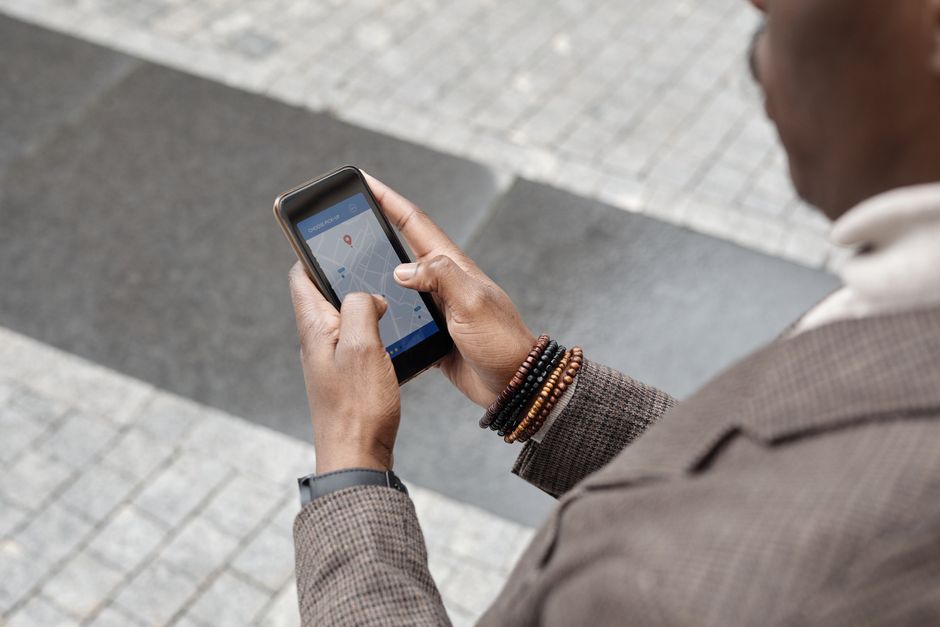
Digital Map Coverage in Mexico
When planning your journey across Mexico, understanding the nuances of digital map coverage is paramount for effective navigation. Google Maps, a widely used platform, offers robust coverage for approximately 95% of major cities and popular tourist destinations throughout the country. However, travelers venturing into more remote or rural areas should note that road data accuracy can decrease significantly, often dropping to 70-80% in these less-developed regions, which is a critical consideration for Mexico travel maps.
This variance in coverage means that while urban centers like Mexico City, Cancun, or Guadalajara are meticulously mapped, smaller towns or off-the-beaten-path routes might present navigational challenges. The infrastructure in these areas can be less formalized, leading to discrepancies between digital representations and actual road conditions. Therefore, always cross-reference information and prepare for potential gaps in detailed mapping when exploring beyond the main tourist corridors.

Essential Offline Map Strategies
Implementing essential offline map strategies is crucial for any traveler in Mexico, primarily due to the inconsistent mobile data coverage across the vast landscape. While 4G LTE is generally available in about 70% of urban areas, connectivity can become significantly spotty or non-existent in rural zones, making offline Mexico travel maps indispensable. Downloading maps for your entire route before departure ensures continuous navigation, even when cellular signals fail.
To enhance your connectivity, consider purchasing a local SIM card from providers like Telcel or AT&T Mexico. These typically offer 5-10GB of data for 30 days at an approximate cost of 200-300 MXN, equivalent to about 10-15 EUR/USD, which is usually sufficient for extensive online map usage. Despite having a local SIM, the unpredictable nature of rural network coverage mandates having offline backups, especially when traveling between cities or exploring less-developed regions.
Best Navigation Apps for Mexico
Selecting the best navigation apps for your Mexican adventure can significantly enhance your travel experience, with several strong contenders available. Google Maps (maps.google.com) remains a top choice, offering comprehensive routing and points of interest, though its real-time traffic updates might not always capture the immediate local conditions as effectively as other specialized apps. GPS accuracy across these platforms is generally high, typically within 5-10 meters in urban centers, ensuring precise location tracking.
For navigating major cities, Waze (waze.com) often proves superior due to its community-driven, real-time traffic updates and alerts for road hazards or police presence, providing more current information than Google Maps for local conditions. Apple Maps (maps.apple.com) also offers a reliable alternative for iOS users, integrating well within the Apple ecosystem. However, travelers should be aware that GPS accuracy can be affected by challenging geographical features such as mountainous terrain or dense jungle, particularly in states like Chiapas or Oaxaca, regardless of the app used.

Understanding Mexican Addresses & Roads
Navigating Mexico requires a nuanced understanding of its unique addressing system and road infrastructure, which can differ significantly from other countries. Street numbering, especially outside of well-defined central grids, can be inconsistent; some areas utilize ‘Manzana’ (block) and ‘Lote’ (lot) numbers rather than sequential building numbers, posing a challenge for standard digital Mexico travel maps. This often necessitates cross-referencing with local landmarks or ‘colonias’ (neighborhoods) for accurate destination identification.
Furthermore, many smaller towns and indigenous communities feature unpaved roads or informal paths that are not accurately represented on standard digital maps, requiring a degree of flexibility and local inquiry. While the official mapping agency, INEGI (www.inegi.org.mx), provides highly detailed topographic and cadastral maps, these are primarily designed for professional use and are not easily integrated into consumer navigation applications. Therefore, travelers should anticipate these variations and prepare for situations where traditional map data might be insufficient.

Insider Tips for Seamless Navigation
To ensure seamless navigation across Mexico, several insider tips can significantly enhance your journey. Always download offline maps for your entire route, especially if traveling between cities or to less-developed areas, to guarantee continuous navigation even without a cellular signal. This proactive step mitigates the risk of getting lost in areas with limited network coverage from providers like Telcel, AT&T Mexico, or Movistar Mexico.
When navigating in major cities, leverage Waze for its real-time traffic updates and police alerts, as it frequently provides more current information than Google Maps regarding local road conditions and potential delays. Before relying solely on a map address, always cross-reference it with a local landmark or ‘colonia’ (neighborhood) name, as street numbering can be confusing or non-sequential, and locals often navigate by these established reference points. This strategy is invaluable for overcoming the unique challenges presented by Mexico travel maps and local addressing conventions.