
Decoding Flight Disruptions in Oman: What to Expect
Embarking on an adventure to Oman promises breathtaking landscapes and unforgettable cultural encounters, but even the smoothest journeys can sometimes hit a snag. When it comes to flight disruptions, understanding the local landscape for Oman flight compensation is absolutely key to a stress-free trip. Unlike regions with strict, overarching regulations like the EU’s EU261 or the US DOT rules, Oman operates on a slightly different playing field, primarily relying on individual airline policies and global IATA standards.
This means your best defense is always a good offense: before you even click ‘book,’ make it a golden rule to dive deep into your specific airline’s ‘Conditions of Carriage.’ This often-overlooked section on their official website is your personal guidebook, meticulously outlining their stance on compensation for delays, cancellations, or even denied boarding. Knowing this upfront empowers you with crucial information, transforming potential frustration into a clear path forward.

Airline Promises: What Your Carrier Owes You
So, what can you realistically expect if your flight to or from Oman experiences a hiccup? For significant delays, perhaps five hours or more, or outright cancellations, carriers like the esteemed Oman Air typically pivot towards rebooking you on the next available flight, ensuring you reach your destination. While fixed monetary compensation isn’t a standard mandate under Omani law, you might find yourself offered a convenient travel voucher or future flight credit, a thoughtful gesture to keep your travel dreams alive.
Similarly, if you ever face the rare situation of denied boarding, don’t expect a set cash payout. Instead, airlines operating in Oman, including popular choices like SalamAir, usually extend compensation in the form of a travel voucher or a credit for future flights. Always remember that these policies are guided by the airline’s own Conditions of Carriage and the broader framework of IATA (International Air Transport Association) guidelines, so understanding your specific airline’s commitment is paramount for navigating any unexpected bumps in your journey.

Making Your Claim Count: Steps to Success
Should your travel plans hit an unexpected snag, making your claim count requires a little savvy and meticulous preparation. The golden rule is to submit your claim directly to the airline, typically within a window of 7 to 30 days from the incident, though this can vary wildly based on the carrier’s specific policy. Your best bet is always their official website’s customer service portal, designed for streamlined communication.
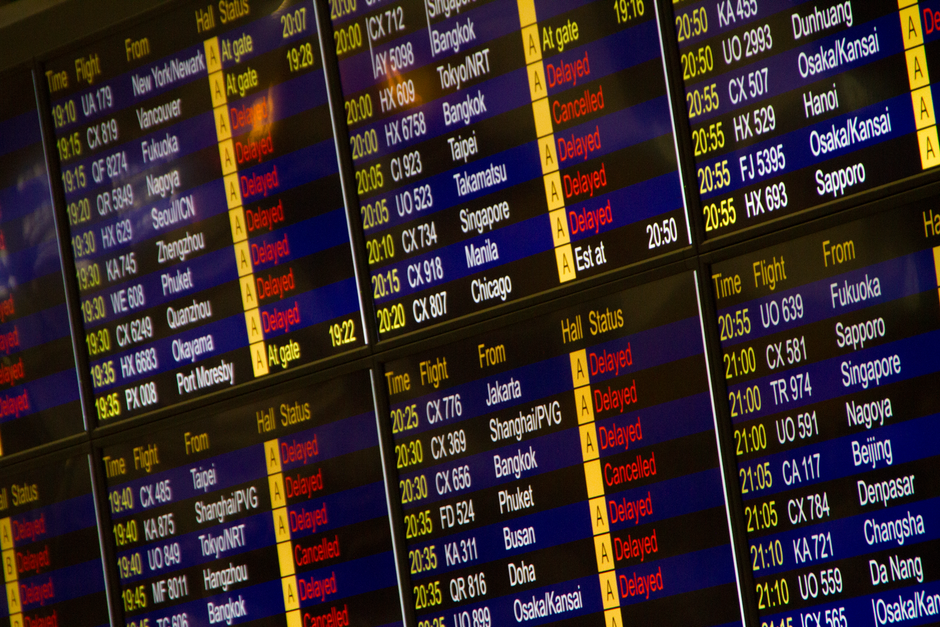
Crucially, you’ll want to be a master record-keeper. Hold onto every single boarding pass, booking confirmation, and any communication you receive from the airline about the disruption. Don’t hesitate to snap a quick photo of airport screens displaying delay notices – these small details can become powerful evidence. When you engage with airline staff or customer service, maintain a polite yet firm demeanor, clearly articulating your request for rebooking, accommodation, or any other assistance that aligns with their stated policy, ensuring your voice is heard and your needs are addressed.
Your Secret Weapon: Smart Travel Insurance for Oman
While understanding the nuances of Oman flight compensation is vital, your ultimate secret weapon for peace of mind is robust travel insurance. Given that Omani regulations don’t mandate fixed cash payouts for disruptions, securing a comprehensive policy becomes your most reliable pathway to financial recovery and hassle-free problem-solving.
Look for a policy that explicitly covers flight delays, cancellations, and even those tricky missed connections. This kind of foresight ensures that if your plans go awry, you’re not left scrambling, but instead have a powerful ally ready to step in, covering unexpected costs and helping you get back on track with minimal stress. It’s an investment in smooth sailing, no matter what the skies bring.

Who’s Got Your Back? Understanding Oman’s Aviation Watchdogs
When you’re navigating the skies over Oman, it’s natural to wonder who oversees the aviation landscape and where to turn if things go wrong. The Civil Aviation Authority of Oman (CAA) is indeed the primary watchdog, playing a crucial role in ensuring aviation safety, licensing, and the overall smooth operation of air traffic, including at bustling hubs like Muscat International Airport (MCT).
However, it’s important to understand their specific mandate: while the CAA maintains high standards for the industry, they typically do not directly mediate individual passenger compensation claims. For any issues related to your Oman flight compensation, your primary point of contact remains the airline itself. They are responsible for addressing your concerns and applying their own compensation policies, so always direct your initial claims and inquiries straight to your carrier.