
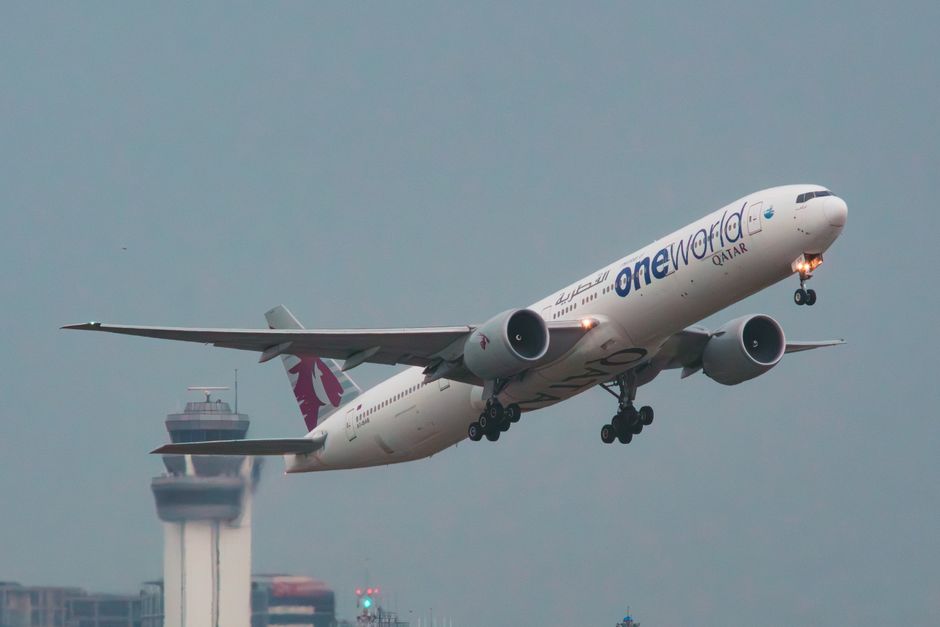
Flight Fiasco in Qatar? Navigating Your Passenger Rights
Imagine your dream trip to Qatar hits a snag with an unexpected flight delay or cancellation. While the vibrant souqs and dazzling skyline await, understanding your passenger rights is crucial, as Qatar does not have a comprehensive national flight compensation law quite like the EU’s EC 261/2004.
For flights departing from the stunning Hamad International Airport, your primary recourse for any disruption lies directly with the operating airline. Any Qatar flight compensation you might receive is typically at the airline’s discretion or based on their specific published policies, so always check their Conditions of Carriage.
It’s a smart move to familiarize yourself with these legally binding terms on the airline’s website before you even pack your bags, as they clearly outline their responsibilities and your entitlements should your journey take an unexpected turn.

Lost Luggage & Delayed Dreams: What You’re Owed for Baggage in Qatar
Nothing sours a travel day quite like a missing suitcase, especially when you’re eager to explore Qatar’s treasures. Thankfully, if your luggage is delayed, damaged, or even lost, you’re not left stranded thanks to the Montreal Convention 1999, to which Qatar is a proud signatory.
This international agreement offers a clear framework for baggage issues, limiting liability to approximately 1,288 Special Drawing Rights (SDR), which translates to a generous sum of roughly 1,600 EUR/USD to help cover your essentials.
Remember to always keep hold of all your boarding passes, booking confirmations, and especially any receipts for expenses incurred due to the baggage mishap, like that emergency outfit or toiletries; these are absolutely crucial for making a successful claim.

Flying to Europe? How EU Compensation Rules Might Save Your Trip
If your journey involves a flight to or from Qatar and Europe, you might just unlock a powerful layer of protection! EU Regulation EC 261/2004 is a game-changer, potentially offering you up to 600 EUR in compensation for significant delays or cancellations.
This golden rule applies if your flight departs from any EU airport, regardless of the airline’s nationality, or if you’re flying into the EU with an EU-based airline like Qatar Airways.
So, if your itinerary includes a European leg, make sure to research EU Regulation EC 261/2004; it provides robust passenger protection and could be your best friend in securing substantial Qatar flight compensation if things go awry.

Making Your Voice Heard: Steps to Claim Compensation in Qatar
When a flight disruption throws a wrench in your plans, taking swift action is key to securing any potential compensation. Your first step should always be to initiate your complaint directly with the airline’s customer service department.
Aim to do this as soon as possible, ideally within 7-14 days of the incident, clearly outlining the nature of the disruption and your desired resolution. Remember, those boarding passes and receipts for any incurred expenses are your golden tickets!
If, after exhausting the airline’s internal complaint process, you still feel your voice hasn’t been heard, you can escalate your case to the Qatar Civil Aviation Authority (QCAA) for mediation, ensuring you have every opportunity to make things right.

Your Pre-Flight Checklist: Smart Moves for Smooth Journeys
Preparing for your adventure in Qatar means more than just packing your favorite outfits; it’s about empowering yourself with knowledge for a truly seamless journey. Before you even head to Hamad International Airport, take a moment to dive into your airline’s ‘Conditions of Carriage’ on their website.
These documents are your secret weapon, clearly outlining your rights and the airline’s responsibilities, so you’re never caught off guard. Think of it as your travel insurance for peace of mind!
And here’s an insider tip: always, always keep every single boarding pass, booking confirmation, and any receipts for unexpected expenses like meals or accommodation. These precious documents are your best friends if you ever need to claim compensation, especially if your journey touches down in Europe, where EU Regulation EC 261/2004 might just be your saving grace.