
Embracing Slovenia’s Seasons: From Snowy Peaks to Sunny Shores
Imagine a land where you can ski in the morning and sip coffee by the Adriatic in the afternoon, or hike through sun-drenched valleys before a refreshing mountain breeze cools your evening. That’s the magic of Slovenia, a country of incredible climatic diversity that promises a unique adventure no matter when you visit. Understanding the nuances of the Slovenia weather guide is your first step to unlocking this jewel.
Summers here are simply glorious, especially in the heart of the country. Picture yourself strolling through Ljubljana’s charming streets in July, where the average temperature hovers around a delightful 20.5°C (69°F), with daily highs often soaring to a comfortable 25-28°C (77-82°F). It’s perfect for al fresco dining and exploring the vibrant city life, perhaps with a scoop of artisanal ice cream in hand.
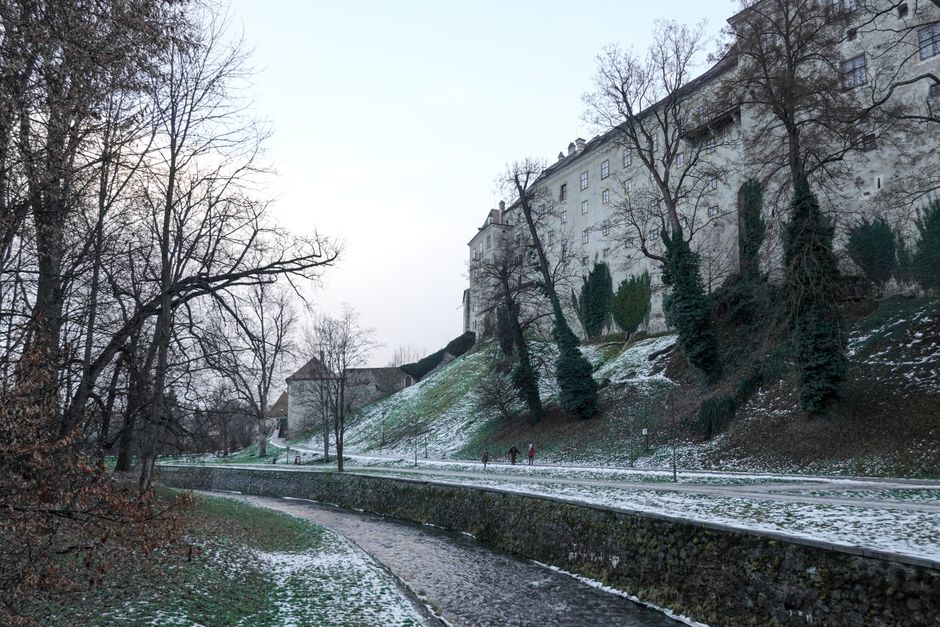
When winter blankets the landscape, Slovenia transforms into a serene wonderland. In January, Ljubljana sees average temperatures of -0.5°C (31°F), making it ideal for cozy cafe hopping and admiring snow-dusted architecture. Snow cover is a common sight from December to March, gracing the capital with an average of 20-40 days of pristine white, inviting you to embrace the frosty charm.
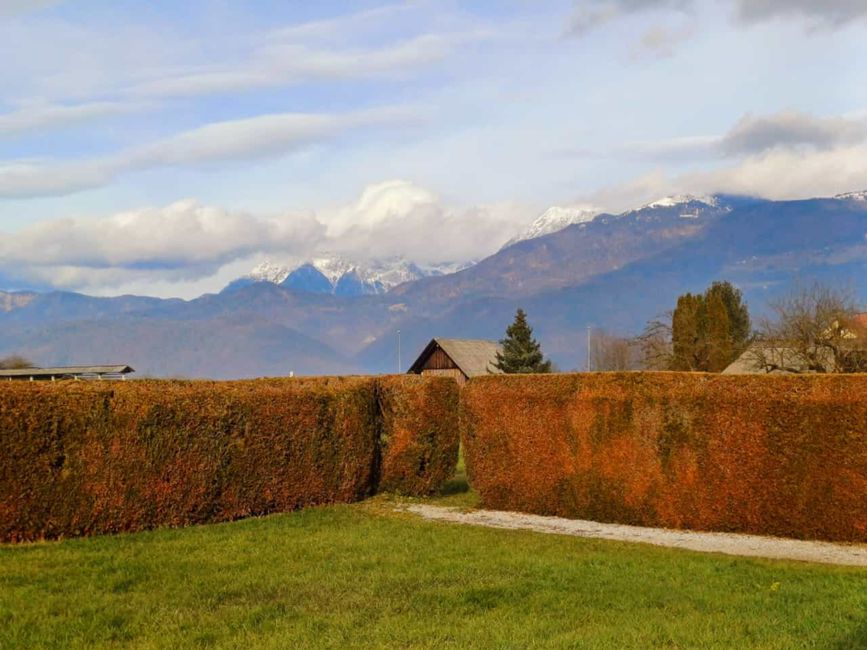
For those who crave mild temperatures and fewer crowds, the shoulder seasons of April-May and September-October are your golden ticket. These months offer pleasant conditions for hiking and sightseeing, painting the landscapes in vibrant spring blooms or fiery autumn hues. Just remember, afternoon showers can be a delightful surprise, so a waterproof jacket is your best friend for these adventures.
Mountain Majesty vs. Coastal Charm: Where the Sun Shines Brightest in Slovenia
Slovenia’s geographical tapestry weaves together alpine grandeur and a sun-kissed coastline, creating distinct microclimates that will enchant you. Whether you’re drawn to the crisp mountain air or the gentle sea breeze, knowing what to expect is key to planning your perfect escape.
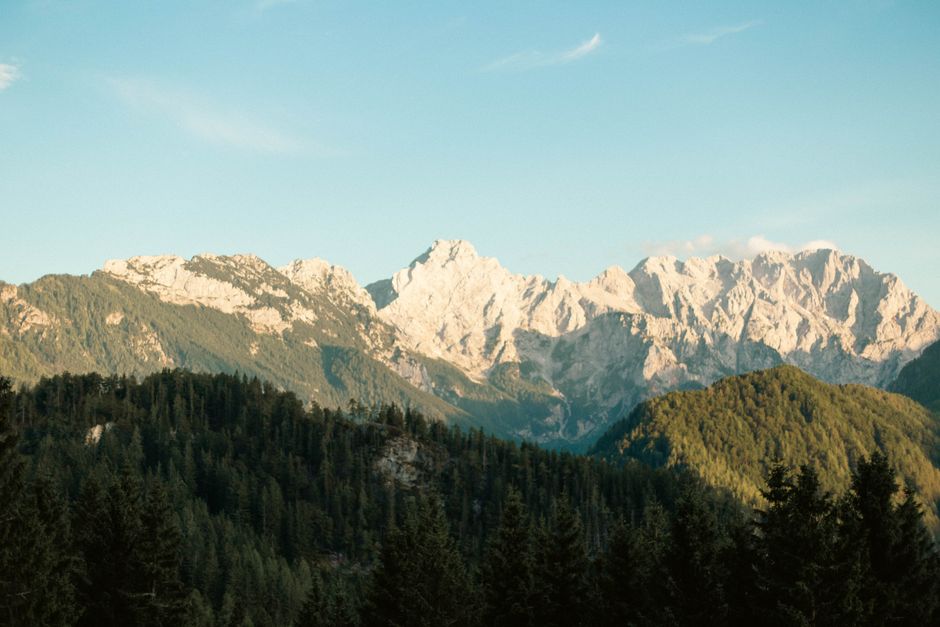
Up in the majestic Julian Alps, especially around the iconic Triglav, the air is invigoratingly cool. Even in August, daytime temperatures at higher elevations (above 1500m) average a refreshing 12-18°C (54-64°F), with significant drops once the sun dips below the peaks. For safe and thrilling mountain excursions, you absolutely must download the ‘ARSO Vreme’ app; it provides real-time, localized weather forecasts that are crucial for navigating these breathtaking landscapes.
Contrast that with the sun-drenched Adriatic coast, where towns like Portorož bask in around 2300-2400 sunshine hours annually! This is significantly more than inland regions like Ljubljana, which typically sees 1900-2000 hours. Imagine yourself soaking up those golden rays, perhaps with a refreshing cocktail, as you stroll along the promenades of Portorož or Piran, feeling the warmth on your skin. This part of our Slovenia weather guide truly highlights the country’s incredible diversity.
Decoding Slovenia’s Whims: Taming the Burja Wind and Rainy Days
While Slovenia offers abundant sunshine and pleasant temperatures, it also has its own unique weather phenomena that are good to know about. The country’s average annual rainfall is approximately 1400 mm, with October and November typically being the wettest months, each averaging a good 130-150 mm. Don’t let that deter you though; a little rain often adds to the dramatic beauty of the landscape, making waterfalls gush and forests glisten.
One of Slovenia’s most distinctive weather features is the ‘burja’ wind, a powerful, cold, katabatic wind that frequently sweeps across the Karst Plateau and coastal areas from autumn to spring. This isn’t just any breeze; the burja can be intensely strong, with gusts sometimes exceeding a formidable 100 km/h (62 mph), creating a truly exhilarating, if bracing, experience.
If your adventure takes you to the Karst or coastal regions during the cooler months, you’ll want to be absolutely prepared for the burja. Pack those windproof outer layers, my friend, because this wind can be surprisingly cold and strong. It’s all part of the authentic Slovenian experience, and with the right gear, you’ll feel like a true explorer embracing the elements.

Your Ultimate Slovenia Packing List: Stay Comfy in Every Climate
Given Slovenia’s incredible climatic range, from alpine peaks to a Mediterranean coast, your packing strategy is paramount for a comfortable and unforgettable trip. The golden rule, my fellow traveler, is always to pack layers, even if you’re visiting in the height of summer. Slovenia’s diverse microclimates mean the weather can shift rapidly, especially as you transition from sun-drenched valleys to cooler mountains or breezy coastal towns.
Think versatile: a light base layer, a cozy fleece or sweater, and a reliable waterproof and windproof outer shell will serve you well across seasons. Even on a warm day, a sudden mountain shower or a strong burja wind can make you grateful for that extra protection. Don’t forget sturdy, comfortable walking shoes, as you’ll want to explore every charming corner and breathtaking trail.
By embracing the art of layering and consulting a reliable Slovenia weather guide like this one, you’ll be perfectly equipped to enjoy every single moment, come rain or shine, mountain breeze or coastal calm. Get ready to explore this magnificent country in absolute comfort and style!