
Sweating It Out: Thriving in South Korea’s Humid Summer
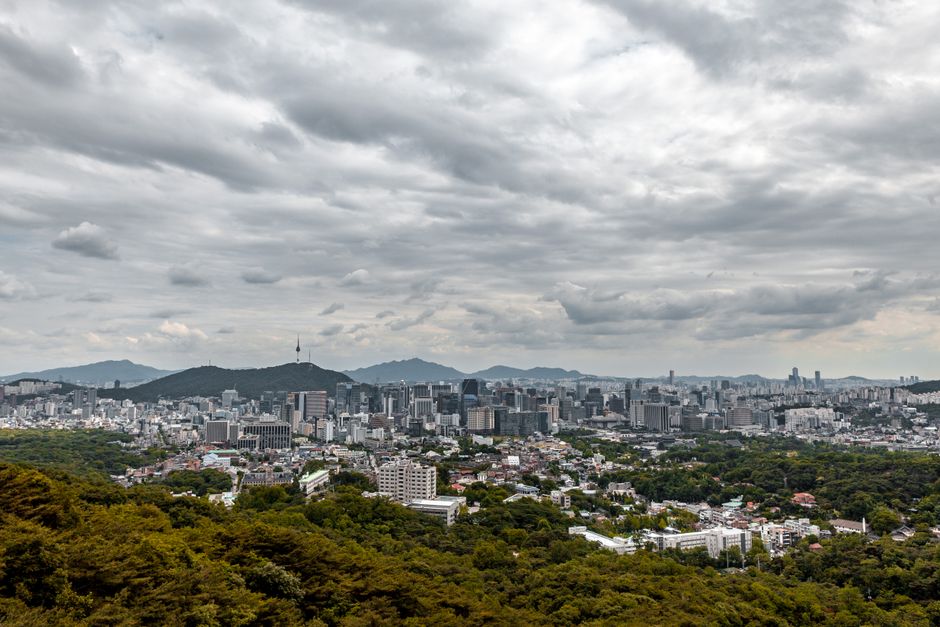
Prepare yourself for a truly vibrant, albeit steamy, adventure if you’re planning your South Korea escape during the summer months of July and August! Seoul sizzles with average daily highs of 28-30°C (82-86°F), and the humidity often dances above 80%, creating that wonderfully tropical feel.
This is the season of Jangma (장마), the summer monsoon, which brings refreshing, yet sometimes intense, downpours, with monthly rainfall averaging a substantial 300-400mm. Don’t let that dampen your spirits though; just pack lightweight, quick-drying clothing and a compact umbrella, because sudden showers are part of the exhilarating experience!
Keep in mind that typhoon season also runs from July to September, with southern coastal areas like BUSAN and JEJU ISLAND occasionally experiencing direct impacts. This South Korea weather guide prepares you to embrace the warmth, enjoy the lush greenery, and perhaps cool down with some icy bingsu, a truly essential summer treat.
Bundle Up Buttercup: Conquering South Korea’s Winter Chill
If you dream of crisp air, snow-dusted temples, and cozy cafes, then South Korea’s winter, from December to February, is calling your name! Seoul transforms into a winter wonderland, with average daily lows ranging from -5°C to 0°C (23-32°F).
Be ready for those exhilarating cold snaps, especially in January, when temperatures can plummet to a bracing -15°C (5°F), perfect for hitting the ski slopes or exploring frosted palaces. You’ll even experience Samhangeun (삼한사온), the traditional pattern of three cold days followed by four warmer ones, a unique rhythm to the season.
Conquering this chill requires serious layering: think thermal underwear, a heavy down coat, waterproof boots, gloves, and a hat. These are absolutely essential, particularly if you’re venturing into mountainous regions or planning a ski resort getaway, ensuring you stay toasty while exploring.

Chasing Cherry Blossoms & Fiery Foliage: South Korea’s Golden Seasons
Ah, the golden seasons! If you crave comfortable temperatures and breathtaking natural beauty, spring (April-May) and autumn (October-November) are your absolute sweet spots for visiting South Korea. Spring offers delightfully pleasant temperatures averaging 15-20°C (59-68°F), absolutely ideal for chasing those iconic cherry blossoms.
The cherry blossom spectacle typically peaks in early April in Seoul, painting the city in soft pinks and whites, a truly unforgettable sight. Imagine strolling under a canopy of blossoms, feeling the gentle breeze – pure magic!
Then comes autumn, delivering crisp, clear weather with average temperatures of 10-18°C (50-64°F), showcasing vibrant fall foliage that usually peaks mid-October in central regions. The mountains erupt in a riot of fiery reds, oranges, and golds, inviting you to hike and explore. To avoid peak tourist crowds and fully savor these comfortable conditions, aim for late April to early May for spring or late September to early November for autumn.

Beyond the Forecast: Understanding South Korea’s Unique Weather Quirks
Beyond the usual seasonal shifts, South Korea’s weather has a few unique quirks you’ll want to be aware of to ensure a smooth trip. One significant phenomenon is Hwangsa (황사), or Yellow Dust events, most common from March to May.
During these periods, PM10 levels can frequently exceed 80 µg/m³ on affected days, so it’s wise to carry KF94 masks for outdoor activities. You can easily check air quality forecasts via the KMA (Korea Meteorological Administration) Weather app, specifically looking at the Mise Meonji (미세먼지) or ‘fine dust’ section.
While we touched on it for summer, remember that typhoon season from July to September can bring strong winds and heavy rains, primarily impacting southern coastal areas like BUSAN and JEJU ISLAND. Staying informed with the KMA app will keep you ahead of any unexpected weather shifts, making your South Korea weather guide complete.

Your South Korea Weather Playbook: What to Pack & When to Go
Crafting your perfect South Korea adventure means knowing your weather playbook! For summer trips (July-August), prioritize lightweight, quick-drying fabrics and a compact umbrella to navigate the humidity and sudden Jangma downpours. Winter (December-February) demands serious warmth: thermal layers, a heavy down coat, waterproof boots, gloves, and a hat are non-negotiable for staying cozy.
If you’re visiting during Hwangsa season (March-May), always have KF94 masks handy and check the KMA Weather app’s Mise Meonji section for air quality updates. For the most comfortable weather and to avoid the biggest crowds, target late April to early May for spring blossoms or late September to early November for the stunning autumn foliage.
This comprehensive South Korea weather guide ensures you’re perfectly prepared for whatever Mother Nature throws your way, allowing you to focus on creating unforgettable memories in this incredible country!