
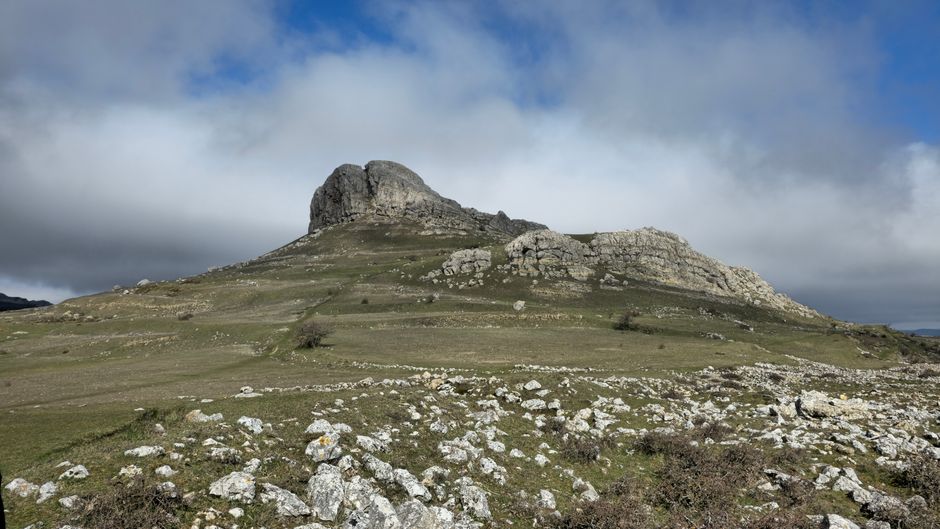
Beating the Summer Heat in Sunny Spain: Siestas, Sunscreen, and Smart Planning
Get ready for a truly sizzling summer if you are heading to southern Spain, especially vibrant Andalusia! Cities like Seville frequently hit scorching daytime temperatures averaging 35-40°C in July and August, often soaring past 42°C, making it one of Europe’s hottest spots. You’ll want to embrace the local rhythm to truly enjoy your sun-drenched adventure.
To conquer the intense midday sun, follow the lead of the locals and plan your indoor activities or indulge in a blissful siesta between 2 PM and 6 PM. Many charming shops and restaurants in cities like Seville or Córdoba wisely close during these peak hours, which is also when the UV index frequently reaches ‘Very High’ (8-10) or even ‘Extreme’ (11+). This smart scheduling allows you to emerge refreshed for cooler evenings and delicious tapas.
Staying hydrated is absolutely non-negotiable, so always carry a reusable water bottle to refill as you explore Spain’s stunning landscapes. Furthermore, protect your skin diligently with high-SPF sunscreen, at least SPF 30+, from May through September, even on seemingly cloudy days, especially in the sun-drenched southern and central regions. This essential Spain weather guide wisdom will keep you comfortable and safe under the glorious Spanish sun.

Unpacking Spain’s Diverse Climates: From Atlantic Breezes to ‘Eternal Spring’
Spain’s geographical tapestry weaves together an incredible array of climates, far beyond just the classic Clima Mediterráneo you might imagine. While much of the country basks in those familiar sunny, dry summers and mild, wet winters, your experience will dramatically shift depending on where you drop your bags. Understanding these regional nuances is key to truly enjoying your journey.
Venture north, and you’ll discover the lush ‘Green Spain’ with its distinct Clima Oceánico, offering a refreshing contrast to the south. Imagine San Sebastián in August, where you’ll enjoy comfortable averages of 20-25°C, cooled by frequent Atlantic breezes and a touch more humidity. However, be prepared for more frequent showers, as Santiago de Compostela in Galicia averages over 150 rainy days per year, a stark difference from Almería in Andalusia, which sees fewer than 30.
For a truly unique experience, set your sights on the Canary Islands, where Santa Cruz de Tenerife boasts an incredible ‘eternal spring’ with an average annual temperature range of 18-25°C and minimal seasonal variation. This remarkable microclimate feels like a perpetual perfect day, inviting you to relax year-round. This comprehensive Spain weather guide truly highlights the country’s incredible climatic diversity.
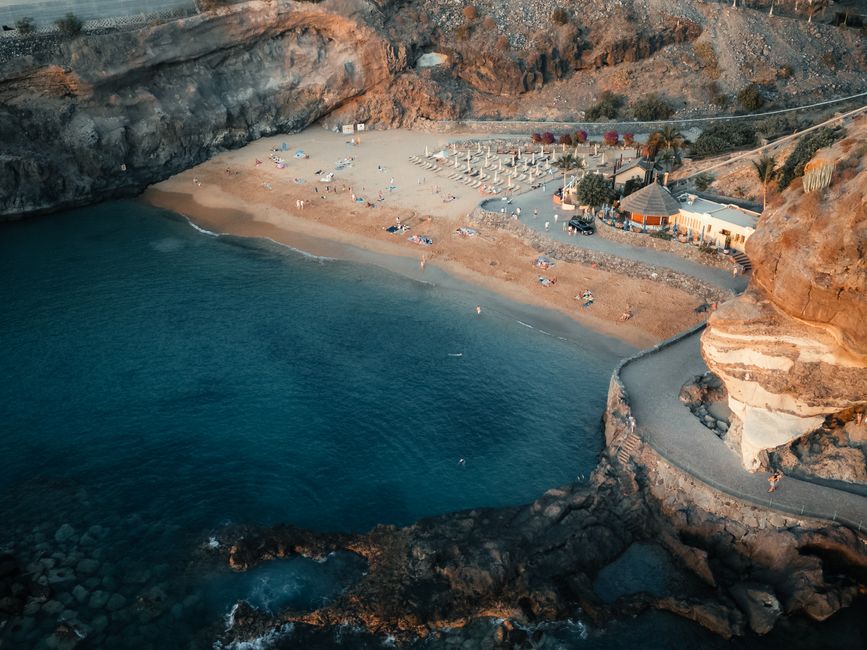
Winter Wonders and Chilly Evenings: Navigating Spain’s Cooler Months
Don’t underestimate Spain’s winter charm, but do come prepared for cooler temperatures, especially if you’re exploring the heart of the mainland. In Madrid, for instance, winter daytime temperatures from December to February average a crisp 6-12°C, with nights often dipping below 0°C. You might even be treated to occasional light snowfall, particularly in January, transforming the city into a magical, frosty wonderland.
Even during the shoulder seasons of spring and autumn, temperatures can fluctuate quite dramatically, especially in central Spain’s expansive plains like Castilla y León or within majestic mountain ranges such as the Pyrenees and the Sierra Nevada. You’ll want to pack versatile layers to comfortably transition from pleasantly warm days to surprisingly chilly evenings. This flexibility is crucial for enjoying every moment of your adventure.
While the south remains generally mild, the crisp air and fewer crowds of winter offer a different kind of beauty across the country. Imagine cozying up with a rich hot chocolate after a day of exploring ancient streets, or witnessing snow-capped peaks against a brilliant blue sky. Winter in Spain is an invitation to discover a quieter, equally enchanting side of this incredible destination.

Your Essential Packing List & Local Weather Wisdom for Every Spanish Adventure
Preparing your suitcase for Spain means thinking smart and checking the forecast right before you depart! For the most accurate, up-to-the-minute details, always consult the Agencia Estatal de Meteorología (AEMET), Spain’s official weather agency. Their reliable predictions will be your best friend in planning your daily outfits and activities.
If your Spanish adventure takes you to the verdant ‘Green Spain’ — think Galicia, Asturias, Cantabria, or the Basque Country — a waterproof jacket and comfortable walking shoes are non-negotiables, even in summer, as light rain showers are common year-round. Conversely, for the sun-drenched southern and central regions from May to September, remember that high-SPF sunscreen (SPF 30+) and a reusable water bottle are your absolute best companions, even on cloudy days.
Ultimately, the key to a fantastic trip is embracing Spain’s incredible diversity and being ready for anything Mother Nature throws your way. Whether you’re chasing the sun or exploring historic cities under a crisp winter sky, this Spain weather guide ensures you’re perfectly equipped to soak up every unforgettable moment. Pack wisely, stay informed, and get ready to create memories that will last a lifetime!