
2026 Itinerary: Traversing the Silk Road from China to Turkey
Embark on a legendary journey with our comprehensive 2026 Silk Road itinerary, traversing from China to Turkey. This ancient trade route, known as the Silk Road, offers a unique blend of history, culture, and adventure.
Understanding the Historical Significance of the Silk Road
The Silk Road, a vast network of interconnected trade routes, was instrumental in linking the East and West from the 2nd century BCE until the 18th century. It facilitated not only the exchange of goods such as silk, spices, and precious metals but also the flow of culture, technology, and religion. This route was pivotal in shaping the civilizations that lay along its path, fostering a rich tapestry of cultural and intellectual exchange.
Key historical figures such as Marco Polo and Zhang Qian played significant roles in the Silk Road’s history. Marco Polo’s travels to China in the 13th century opened the eyes of Europe to the wonders of the East, while Zhang Qian’s expeditions in the 2nd century BCE helped establish the initial connections between China and Central Asia. These journeys laid the groundwork for centuries of trade and cultural interaction.
The Silk Road was not a single road but a series of routes that spanned thousands of miles across some of the most challenging terrains on Earth. It traversed deserts, mountains, and vast steppes, connecting major cities like Xi’an, Samarkand, and Constantinople. Each of these cities became a melting pot of cultures, languages, and ideas, contributing to the rich historical legacy of the Silk Road.
- Research the historical timeline of the Silk Road to understand its evolution.
- Identify key figures and events that influenced the Silk Road’s development.
- Explore the impact of the Silk Road on global trade and cultural exchange.

Essential Preparations for Your Silk Road Journey
Traveling the Silk Road today requires meticulous planning, especially given the diverse range of countries and climates you will encounter. Each country along the route has its own visa requirements, so it’s crucial to research and obtain the necessary documentation well in advance. Additionally, vaccinations for diseases such as hepatitis and typhoid are recommended, depending on your specific itinerary.
Packing smartly is essential for a journey that spans such varied climates and terrains. From the arid deserts of Central Asia to the temperate regions of Turkey, travelers should prepare for both extreme heat and cold. Layered clothing, sturdy footwear, and a reliable backpack are must-haves. Don’t forget essentials like a first-aid kit, portable charger, and travel insurance to cover any unforeseen circumstances.
A comprehensive checklist can ensure you are well-prepared for the Silk Road adventure. Include items such as a multi-currency wallet, a universal power adapter, and a language translation app to facilitate communication. It’s also wise to carry copies of important documents and a detailed itinerary to keep track of your journey.
- Check visa requirements for each country on your Silk Road itinerary.
- Get recommended vaccinations and health check-ups before departure.
- Pack versatile clothing suitable for varied climates and terrains.

Handy Tool: To make your next trip seamless, secure, and stress-free, use our recommended platform below:
Starting Point: Xi’an, China
Xi’an, the ancient capital of China, serves as the traditional starting point of the Silk Road. This city is home to the world-renowned Terracotta Army, a collection of thousands of life-sized sculptures depicting the armies of Qin Shi Huang, the first Emperor of China. The City Wall of Xi’an, one of the oldest and best-preserved city walls in China, offers a glimpse into the city’s historical significance.
The vibrant Muslim Quarter in Xi’an is a must-visit for its bustling markets and diverse culinary offerings. Here, travelers can sample local delicacies such as roujiamo (Chinese hamburger) and yangrou paomo (lamb soup with bread). The quarter’s lively atmosphere and rich cultural heritage make it a fascinating stop on your journey.
Accommodation options in Xi’an range from luxury hotels to budget-friendly hostels, catering to all types of travelers. Staying in the city center provides easy access to major attractions and transportation hubs. Whether you’re exploring ancient sites or indulging in local cuisine, Xi’an offers a captivating introduction to the Silk Road.
- Visit the Terracotta Army for a glimpse into China’s imperial past.
- Explore the City Wall for panoramic views of Xi’an.
- Sample local cuisine in the bustling Muslim Quarter.
Central Asian Highlights: Uzbekistan and Beyond
Uzbekistan, with its rich history and stunning architecture, is a highlight of any Silk Road itinerary. Samarkand, one of the most famous Silk Road cities, is renowned for its majestic Registan Square, a masterpiece of Islamic architecture. The city’s vibrant bazaars and ancient mausoleums offer a glimpse into its storied past.
Bukhara, another jewel of Uzbekistan, boasts over 140 architectural monuments, including the Ark Fortress and the Bolo Haouz Mosque. The city’s well-preserved medieval core is a UNESCO World Heritage site, reflecting its historical importance as a major center of trade and scholarship.
Khiva, with its well-preserved Itchan Kala, offers a unique experience of stepping back in time. This open-air museum city is surrounded by ancient walls and filled with beautiful minarets and mosques. Traveling through Central Asia requires careful planning, especially regarding transportation and border crossings. Options include trains, buses, and shared taxis, each offering a different perspective on the region.
- Explore Samarkand’s Registan Square and its architectural wonders.
- Visit Bukhara’s Ark Fortress and immerse yourself in history.
- Plan transportation and border crossings in advance for a smooth journey.
Crossing into the Middle East: Iran and Turkey
Transitioning from Central Asia to the Middle East, Iran offers a wealth of historical and cultural experiences. The city of Isfahan, known for its stunning Islamic architecture, is home to the UNESCO-listed Naqsh-e Jahan Square. Iran’s rich cultural heritage and warm hospitality make it a rewarding destination on the Silk Road.
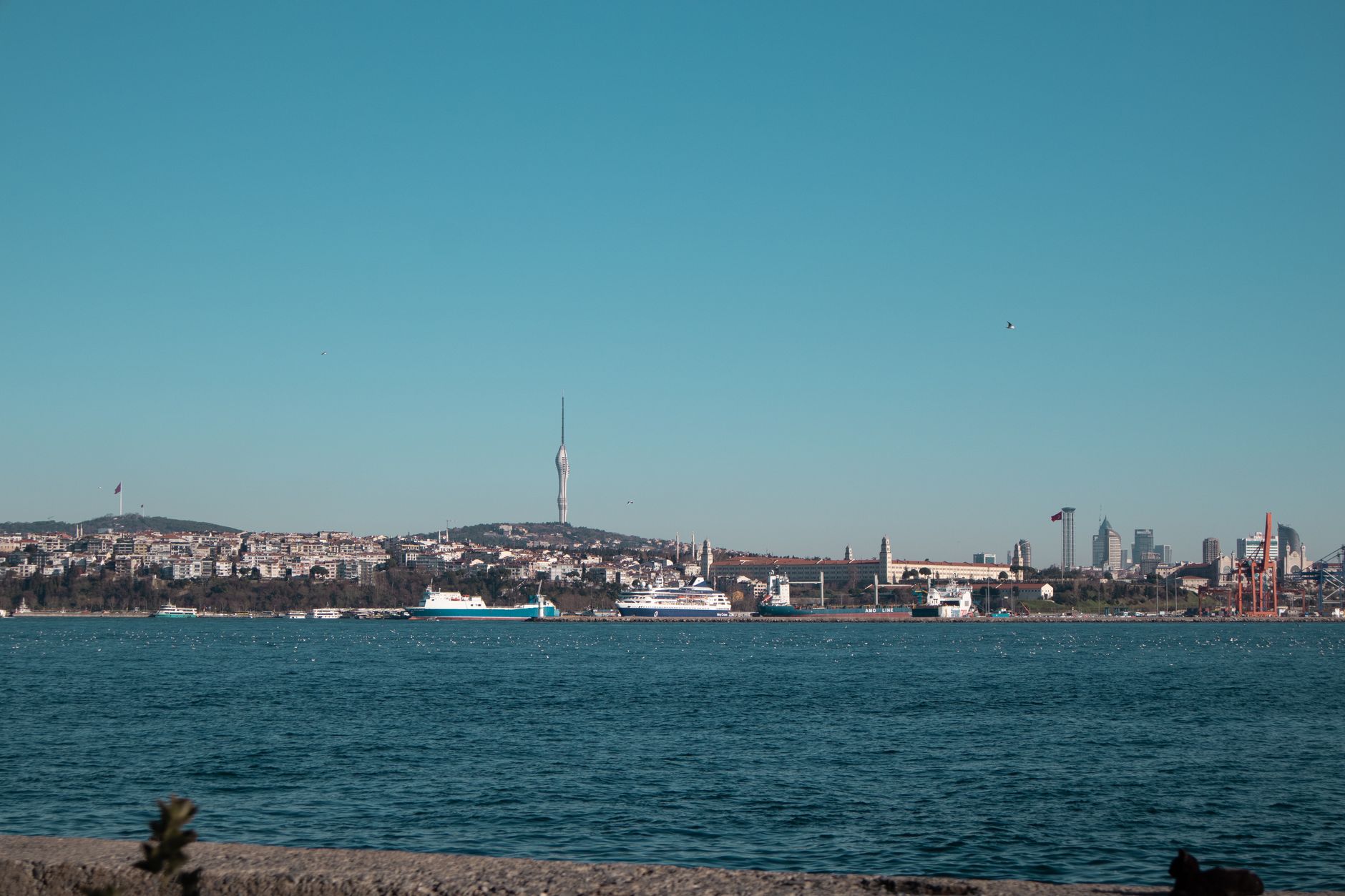
As you continue into Turkey, Istanbul serves as the grand finale of the Silk Road journey. This vibrant city, straddling Europe and Asia, is a melting pot of cultures and history. Key attractions include the Hagia Sophia, the Blue Mosque, and the bustling Grand Bazaar, each offering a unique glimpse into Turkey’s diverse heritage.
Cultural differences between Central Asia and the Middle East are notable, and travelers should be prepared to adapt to varying customs and traditions. Understanding local etiquette and respecting cultural norms is essential for a fulfilling experience in these regions.
- Visit Isfahan’s Naqsh-e Jahan Square for its architectural beauty.
- Explore Istanbul’s iconic landmarks like the Hagia Sophia.
- Respect cultural differences and adapt to local customs.
Practical Travel Tips for the Silk Road Adventure
Long-distance overland travel along the Silk Road requires careful consideration of safety measures. It’s important to stay informed about the political climate and travel advisories for each region. Carrying a basic first-aid kit and emergency contact information is advisable.
Communication can be a challenge in remote areas, so having a reliable translation app and a local SIM card can be invaluable. Currency exchange rates vary across countries, so it’s wise to carry a mix of cash and credit cards. Familiarize yourself with the local currency and exchange options to avoid any inconvenience.
Flexibility and patience are key virtues when traveling the Silk Road. Delays and unexpected changes in plans are common, and being adaptable will enhance your overall experience. Embrace the journey’s unpredictability and enjoy the unique adventures it offers.
- Stay updated on travel advisories and safety measures.
- Use translation apps and local SIM cards for communication.
- Be flexible and patient with travel plans and schedules.
Cultural Etiquette and Local Traditions Along the Route
Understanding cultural etiquette is crucial for a respectful and enriching Silk Road journey. Each region along the route has its own traditions and social norms, and travelers should make an effort to learn and respect these customs. Simple gestures, such as greeting locals in their native language, can go a long way in fostering positive interactions.
Dress codes vary significantly across the Silk Road, with more conservative attire required in certain areas, particularly in Iran and parts of Central Asia. It’s advisable to dress modestly and be mindful of local sensitivities, especially when visiting religious sites.
Cultural exchange is one of the most rewarding aspects of traveling the Silk Road. Engaging with local communities, participating in traditional activities, and sharing stories can lead to meaningful connections and a deeper understanding of the diverse cultures along the route. This Silk Road itinerary offers a unique opportunity to immerse yourself in the rich tapestry of history and tradition that defines this legendary journey.
- Learn basic phrases in the local language for better communication.
- Dress modestly and respect local dress codes, especially in religious areas.
- Engage with local communities to enhance cultural understanding.