
Itineraries 2026: Discovering the Unseen Wonders of the Balkans
The Unseen Wonders of the Balkans offer a treasure trove of cultural, historical, and natural marvels that remain largely unexplored by mainstream tourism. This Southeast European region, encompassing countries like Croatia, Serbia, Bosnia and Herzegovina, and Montenegro, is a mosaic of diverse cultures and landscapes, making it a must-visit destination for travelers seeking unique experiences.
Introduction to the Balkans: A Hidden Gem
The Balkans, situated in Southeast Europe, is a region often overshadowed by its Western European counterparts. However, its geographical diversity, ranging from the Adriatic coastlines to the rugged mountain ranges, offers a unique blend of natural beauty and cultural richness. The Balkans is a melting pot of cultures, languages, and traditions, shaped by a complex history of empires and civilizations.
Despite its rich offerings, the Balkans remains a hidden gem, often overlooked by travelers. This oversight is a boon for those who venture into this region, as they are rewarded with authentic experiences and lesser-crowded attractions. The Balkans’ affordability compared to Western Europe further enhances its appeal, providing travelers with a cost-effective yet enriching journey.
The region’s cultural diversity is reflected in its vibrant festivals, traditional music, and diverse architectural styles. From the Ottoman influences in Bosnia and Herzegovina to the Austro-Hungarian architecture in Croatia, the Balkans is a tapestry of historical narratives waiting to be explored. This cultural richness, combined with stunning natural landscapes, makes the Balkans a destination that promises both adventure and discovery.
- Explore the diverse landscapes from coastlines to mountains.
- Experience the rich cultural tapestry of the region.
- Take advantage of the Balkans’ affordability for a cost-effective trip.

Planning Your Balkan Adventure: Key Destinations
A well-structured travel plan is essential to fully experience the Balkans. Start your journey in Croatia, where the stunning Dalmatian coast and historic cities like Dubrovnik offer a blend of natural beauty and cultural heritage. Move on to Serbia, where the vibrant city of Belgrade and the historical town of Novi Sad provide a glimpse into the country’s dynamic culture.
Bosnia and Herzegovina should be next on your itinerary, with Sarajevo’s rich history and Mostar’s iconic bridge offering insights into the country’s past and present. Montenegro, with its dramatic mountains and the picturesque Bay of Kotor, is a paradise for nature lovers and those seeking tranquility away from bustling tourist spots.
Each of these countries offers unique attractions that cater to different interests. Whether you’re a history buff, a nature enthusiast, or a cultural explorer, the Balkans has something to offer. The key to a successful Balkan adventure is to balance your itinerary with a mix of popular sites and hidden gems, ensuring a comprehensive experience of the region’s diverse offerings.
- Start your journey in Croatia for a mix of coastlines and culture.
- Visit Serbia for its vibrant cities and historical landmarks.
- Explore Bosnia and Herzegovina for its rich history and iconic sites.
Cultural and Historical Highlights of the Balkans
The Balkans is steeped in history, with each country offering a unique perspective on the region’s past. In Croatia, the ancient city of Split, with its Roman ruins, provides a window into the past, while the medieval walls of Dubrovnik tell tales of maritime power. Serbia’s Belgrade Fortress stands as a testament to the city’s strategic importance through centuries of conflict.
Bosnia and Herzegovina’s Sarajevo is a city where East meets West, with its Ottoman-era bazaars and Austro-Hungarian architecture. The city of Mostar, with its iconic Stari Most bridge, is a symbol of the country’s resilience and cultural fusion. Montenegro’s Cetinje, once the royal capital, offers a glimpse into the country’s royal history and cultural heritage.
Beyond the famous landmarks, the Balkans is home to numerous hidden historical gems. These include the ancient monasteries of Serbia, the medieval fortresses of Bosnia, and the lesser-known archaeological sites scattered across the region. Exploring these sites provides a deeper understanding of the Balkans’ rich cultural tapestry and historical significance.
- Visit Split and Dubrovnik in Croatia for historical insights.
- Explore Belgrade Fortress in Serbia for a glimpse into the past.
- Discover Sarajevo and Mostar in Bosnia for cultural fusion.
Natural Wonders: Exploring the Balkan Landscapes
The Balkans boasts some of the most breathtaking natural landscapes in Europe. The Plitvice Lakes National Park in Croatia is a UNESCO World Heritage site, renowned for its cascading lakes and lush forests. In Montenegro, the Durmitor National Park offers dramatic mountain scenery and opportunities for hiking, skiing, and wildlife watching.
Bosnia and Herzegovina’s Una National Park is a haven for outdoor enthusiasts, with its pristine rivers and waterfalls providing a perfect backdrop for rafting and fishing. The Tara River Canyon, one of the deepest in Europe, offers thrilling rafting experiences and stunning views of the surrounding landscapes.
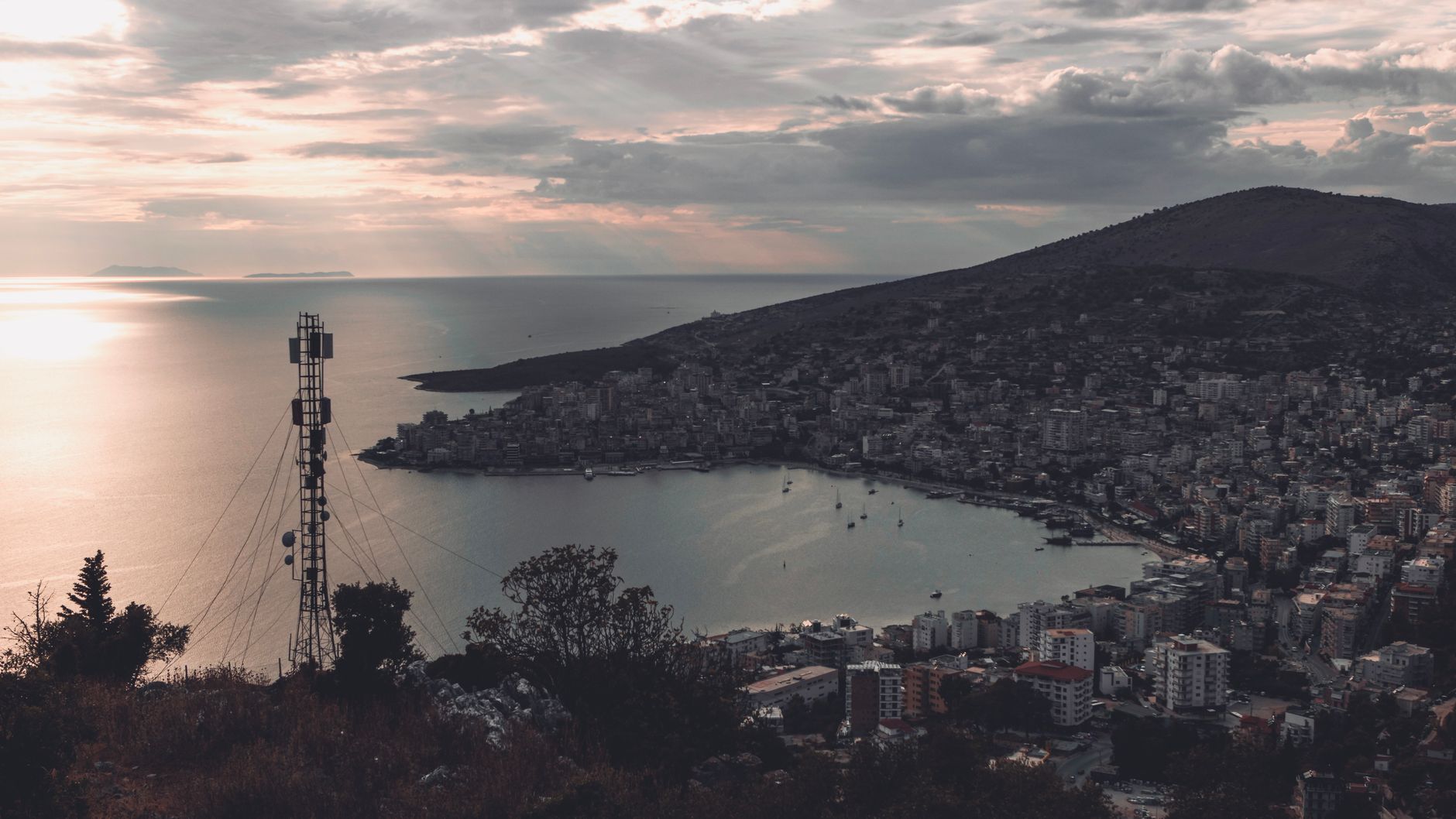
For those seeking coastal beauty, the Adriatic coastlines of Croatia and Montenegro offer crystal-clear waters and picturesque beaches. The Bay of Kotor, with its fjord-like appearance, is a must-visit for its unique blend of natural beauty and historical architecture. These natural wonders provide endless opportunities for adventure and relaxation, making the Balkans a paradise for nature lovers.
- Explore Plitvice Lakes in Croatia for stunning natural beauty.
- Visit Durmitor National Park in Montenegro for outdoor activities.
- Experience the Tara River Canyon for thrilling rafting adventures.
Culinary Journey Through the Balkans
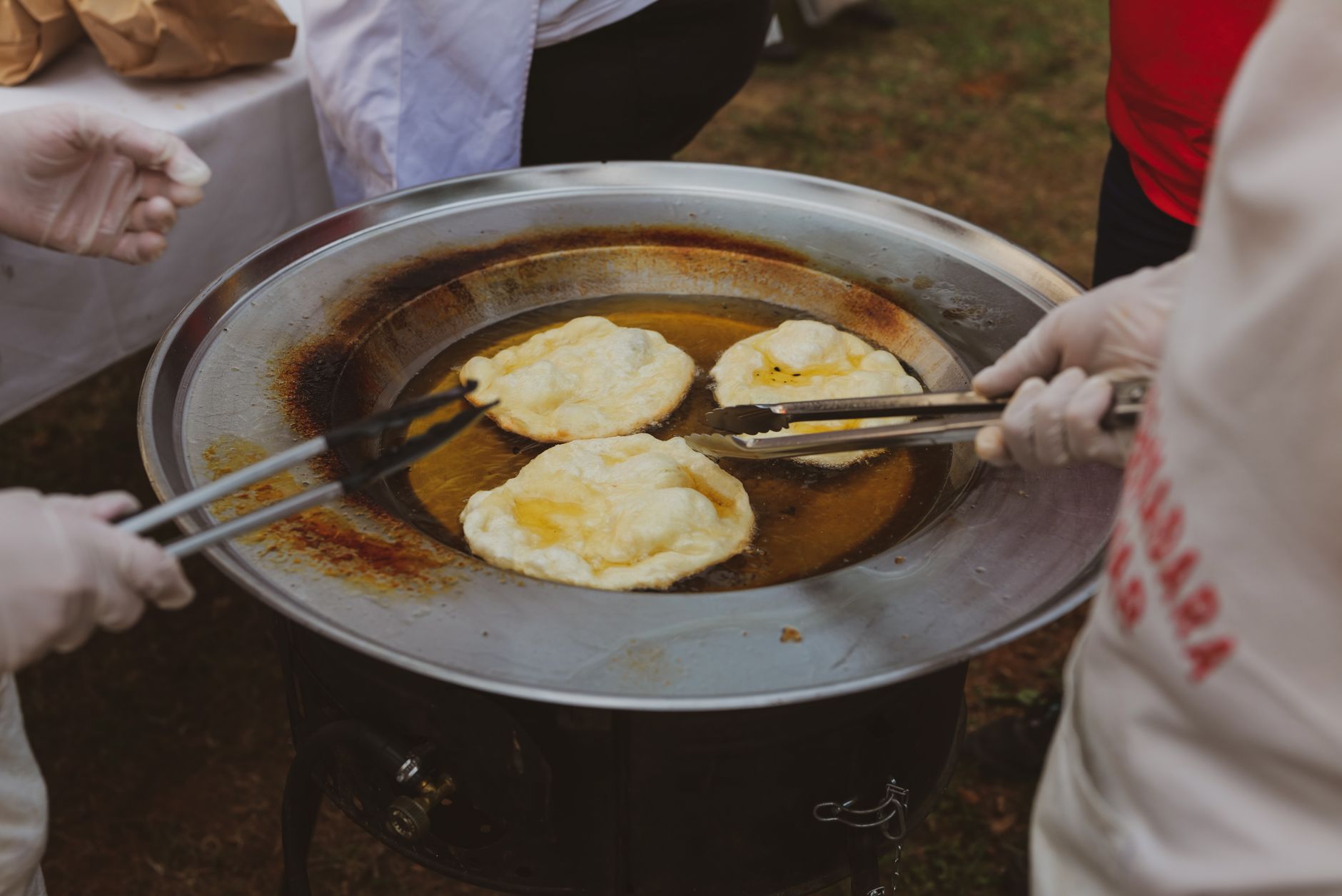
The Balkans offers a diverse culinary landscape, with each country boasting its own unique flavors and dishes. In Croatia, seafood is a staple along the coast, with dishes like black risotto and grilled fish being must-tries. Inland, hearty stews and meat dishes reflect the country’s agricultural heritage.
Serbia is known for its grilled meats, with ćevapi and pljeskavica being popular street foods. The country’s rich culinary traditions are also evident in its use of fresh vegetables and homemade cheeses. Bosnia and Herzegovina’s cuisine is a blend of Ottoman and Austro-Hungarian influences, with dishes like burek and baklava offering a taste of the region’s history.
Montenegro’s cuisine is characterized by its Mediterranean influences, with fresh seafood, olive oil, and local wines being staples. The country’s mountainous regions offer hearty dishes like kačamak, a traditional cornmeal dish. Exploring the Balkans’ culinary scene is a journey through the region’s diverse cultural influences and rich agricultural traditions.
- Try seafood dishes along Croatia’s coast.
- Sample grilled meats in Serbia for a taste of local flavors.
- Enjoy traditional dishes like burek in Bosnia and Herzegovina.
Travel Tips for Navigating the Balkan Region
Navigating the Balkans requires some preparation, but the region’s welcoming locals and well-connected transport networks make it accessible for travelers. Public transportation, including buses and trains, is affordable and reliable, making it easy to travel between countries. Renting a car is also a popular option for those looking to explore more remote areas.
Language can be a barrier, but English is widely spoken in tourist areas, and learning a few basic phrases in the local language can enhance your travel experience. Understanding cultural etiquette, such as greeting customs and dining manners, is also important to ensure respectful interactions with locals.
Safety is generally not a concern in the Balkans, but travelers should remain aware of their surroundings and follow local advice. The region’s diverse cultures and traditions offer a rich tapestry of experiences, and being open to new encounters will enrich your journey through the Balkans.
- Use public transportation for affordable travel between countries.
- Learn basic phrases in the local language for better interactions.
- Be aware of cultural etiquette to ensure respectful interactions.
Budgeting Your Balkan Trip: Affordable Travel Tips
Traveling in the Balkans is notably more affordable than in Western Europe, making it an attractive destination for budget-conscious travelers. Accommodation options range from budget hostels to mid-range hotels, with Airbnb also offering affordable stays in local neighborhoods.
Dining in the Balkans is a budget-friendly affair, with local eateries and street food stalls offering delicious meals at low prices. Sampling local cuisine is not only a culinary delight but also a cost-effective way to experience the region’s culture. Public transportation is another area where travelers can save money, with buses and trains offering cheap and efficient travel options.
To further stretch your budget, consider traveling during the shoulder seasons of spring and autumn, when prices are lower, and tourist crowds are thinner. The Unseen Wonders of the Balkans provide a wealth of experiences that don’t require a hefty budget, allowing travelers to enjoy the region’s rich offerings without breaking the bank.
- Choose budget accommodations like hostels and Airbnb.
- Dine at local eateries for affordable and authentic meals.
- Travel during shoulder seasons for lower prices and fewer crowds.