
A 2026 Itinerary: Uncovering the Mysteries of the Amazon Rainforest
The Amazon Rainforest itinerary for 2026 is a gateway to exploring one of the planet’s most biodiverse regions, spanning nine countries with Brazil hosting the largest portion. This itinerary provides a structured plan for adventure travelers and nature enthusiasts to delve into the mysteries of this vast ecosystem, home to over 400 billion trees and thousands of wildlife species.
Introduction to the Amazon Rainforest
The Amazon Rainforest is a colossal natural wonder, covering approximately 5.5 million square kilometers across nine countries in South America, with Brazil holding the lion’s share. It is a critical component of the global ecosystem, often referred to as the ‘lungs of the Earth’ due to its vast capacity to produce oxygen. The Amazon is not just a forest but a complex network of rivers, ecosystems, and biodiversity hotspots.
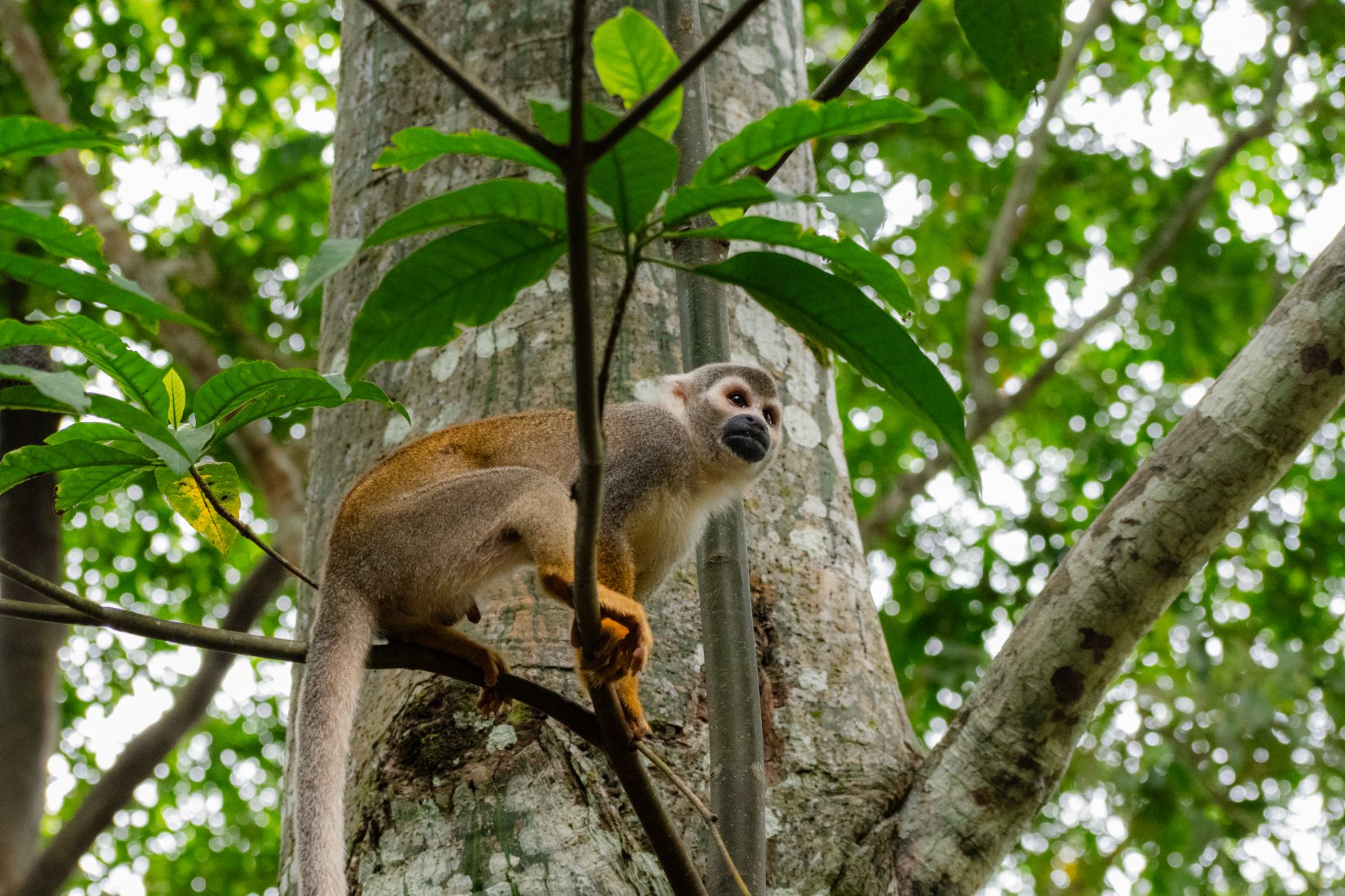
This rainforest is home to an astonishing array of wildlife, including over 2.5 million insect species, tens of thousands of plants, and more than 2,000 birds and mammals. The Amazon’s biodiversity is unparalleled, making it a prime destination for eco-tourists and nature enthusiasts. The dense canopy and rich undergrowth provide a habitat for elusive jaguars, colorful macaws, and playful river dolphins.
Understanding the Amazon’s ecological significance is crucial for any traveler. The rainforest plays a vital role in regulating the Earth’s climate and weather patterns. Its vast network of trees and plants absorbs carbon dioxide, helping to mitigate climate change. For those planning an Amazon Rainforest itinerary, this knowledge enhances the appreciation of the delicate balance that sustains this natural wonder.
- Research the Amazon’s geographical spread and its ecological importance.
- Familiarize yourself with the diverse wildlife and plant species.
- Understand the Amazon’s role in global climate regulation.
Best Time to Visit the Amazon
The Amazon Rainforest experiences a tropical climate with high humidity and significant rainfall throughout the year. However, the best time to visit depends on the specific experiences you seek. The dry season, from June to November, is often recommended for travelers as it offers easier navigation of trails and better wildlife visibility. During this period, water levels are lower, making it ideal for hiking and exploring.
Conversely, the wet season, from December to May, transforms the Amazon into a lush, water-rich environment. While some trails may be inaccessible, this time offers unique opportunities for canoeing and observing aquatic wildlife. The rainforest is at its most vibrant, with waterfalls and rivers at their fullest, providing a different perspective of the Amazon’s natural beauty.
Travelers should prepare for varying weather conditions regardless of the season. The Amazon’s climate can be unpredictable, with sudden rain showers even during the dry months. Packing appropriate clothing and gear is essential to ensure a comfortable and enjoyable experience. Understanding the seasonal variations can help tailor your Amazon Rainforest itinerary to match your interests and expectations.
- Plan your visit during the dry season for easier hiking and wildlife spotting.
- Consider the wet season for unique canoeing experiences and vibrant scenery.
- Pack versatile clothing to accommodate sudden weather changes.
Handy Tool: To make your next trip seamless, secure, and stress-free, use our recommended platform below:
Essential Gear and Preparations
Preparing for an Amazon adventure requires careful planning and packing. Essential gear includes lightweight, breathable clothing to cope with the humid climate, along with a sturdy pair of waterproof boots for navigating muddy trails. A high-quality rain jacket is indispensable, given the frequent rain showers, even during the dry season.
Insect repellent is crucial to protect against mosquitoes and other insects. The Amazon is a malaria and yellow fever zone, so vaccinations and prophylactic medications should be considered. A wide-brimmed hat and sunscreen are also vital to protect against the intense equatorial sun.
Travelers should also pack a reliable water purification system or tablets, as safe drinking water is not always readily available. A compact first-aid kit, including essentials like band-aids, antiseptic wipes, and any personal medications, is necessary for addressing minor injuries or health issues. Preparing adequately ensures a safe and enjoyable Amazon Rainforest itinerary.
- Pack lightweight, breathable clothing and waterproof boots.
- Bring insect repellent and consider necessary vaccinations.
- Include a water purification system and a compact first-aid kit.

Exploring the Amazon: Day-by-Day Itinerary
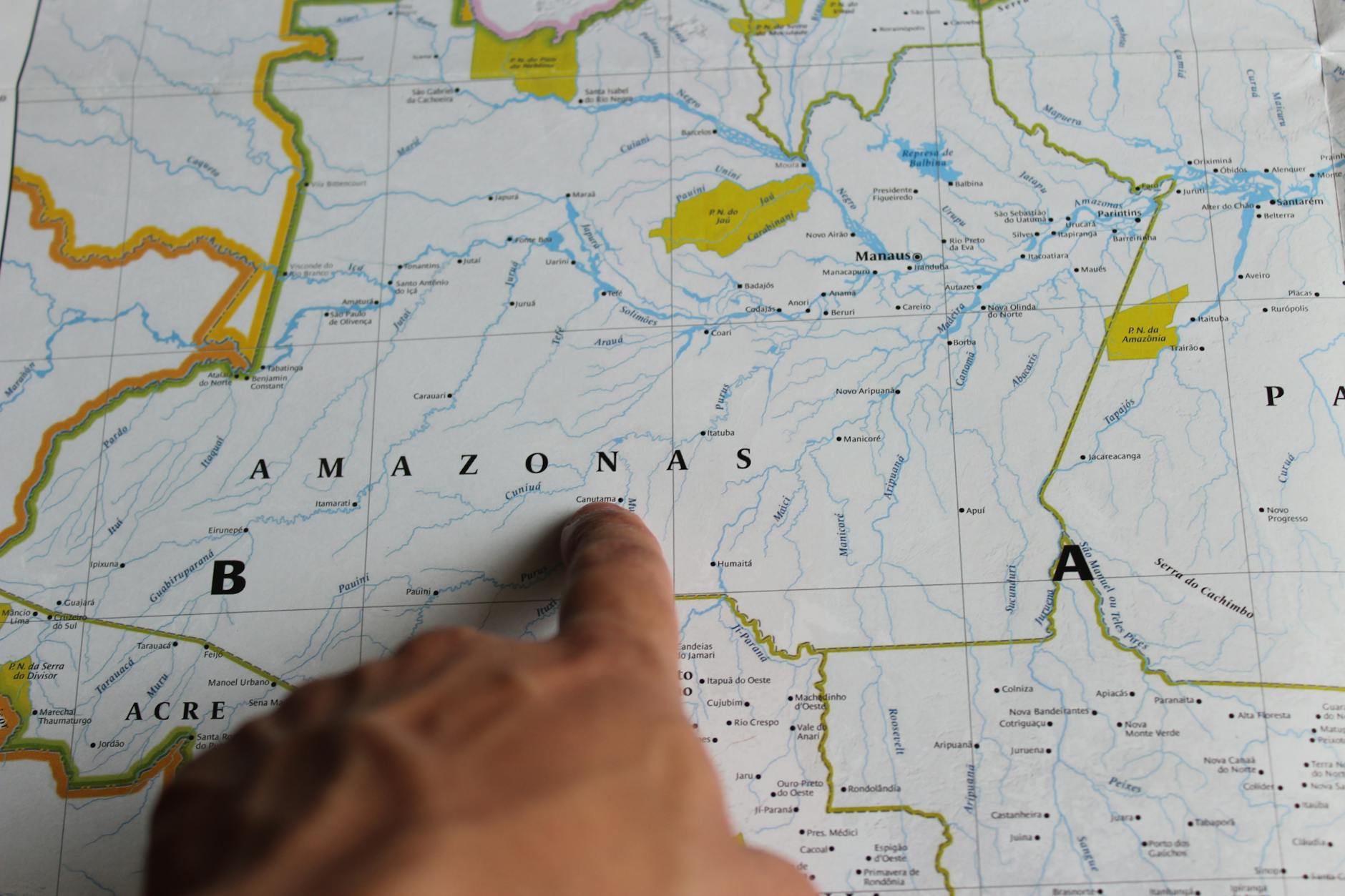
A well-structured Amazon Rainforest itinerary can enhance the exploration experience, offering a balance of adventure and relaxation. Day 1 typically involves arrival in a gateway city like Manaus, Brazil, where travelers can acclimate and prepare for the journey ahead. This day often includes a visit to local markets and museums to gain cultural insights.
Days 2 and 3 are ideal for venturing into the heart of the rainforest. Guided tours provide access to remote areas, offering opportunities to observe wildlife and explore the dense jungle. Activities may include hiking, canoeing, and visiting indigenous communities to learn about their way of life and the rainforest’s significance to them.
The final days, 4 and 5, often focus on relaxation and reflection. Travelers can enjoy boat tours along the Amazon River, witnessing the stunning convergence of the Rio Negro and Solimões Rivers. This part of the itinerary allows for a deeper connection with nature and a chance to absorb the tranquility of the rainforest environment.
- Start your journey in a gateway city like Manaus for cultural insights.
- Join guided tours for safe exploration of remote rainforest areas.
- Conclude with a relaxing boat tour to witness river confluences.
Wildlife and Nature Highlights
The Amazon Rainforest is a haven for wildlife enthusiasts, offering encounters with some of the world’s most fascinating species. The dense foliage and waterways are home to iconic animals like the jaguar, sloth, and capybara. Birdwatchers can delight in spotting vibrant species such as toucans and macaws, whose calls echo through the canopy.
Aquatic life is equally diverse, with the Amazon River teeming with unique creatures like the pink river dolphin and the fearsome piranha. Nighttime excursions reveal the nocturnal side of the rainforest, where travelers might glimpse caimans and hear the symphony of frogs and insects.
The Amazon’s plant life is just as remarkable, with towering trees like the kapok and Brazil nut tree forming the backbone of the ecosystem. The rainforest’s flora includes countless medicinal plants, used by indigenous peoples for centuries. Understanding the interconnectedness of these species enhances the appreciation of the Amazon’s natural wonders.
- Look for iconic animals like jaguars and sloths during guided tours.
- Join birdwatching excursions to spot toucans and macaws.
- Explore aquatic life with river tours to see dolphins and piranhas.
Safety Tips and Health Precautions
Safety is paramount when exploring the Amazon Rainforest. Travelers should always follow the guidance of experienced tour operators and local guides. Staying on designated paths and avoiding isolated areas reduces the risk of getting lost or encountering dangerous wildlife.
Health precautions are equally important. Vaccinations for yellow fever and other diseases are often required or recommended before visiting the Amazon. Travelers should consult with healthcare providers to ensure they have the necessary immunizations and medications, such as anti-malarial drugs.
It is crucial to stay hydrated and protect against insect bites. Using insect repellent, wearing long sleeves and pants, and sleeping under mosquito nets can prevent mosquito-borne illnesses. Being prepared with a comprehensive first-aid kit and knowing basic first-aid procedures can address minor injuries or health issues that may arise during the trip.
- Follow the guidance of experienced tour operators and local guides.
- Ensure vaccinations and medications are up to date before traveling.
- Use insect repellent and wear protective clothing to prevent bites.
Guided Tours and Expert Insights
Guided tours are highly recommended for exploring the Amazon Rainforest, providing safety and enriching the travel experience with expert knowledge. Professional guides offer insights into the rainforest’s ecology, wildlife behavior, and cultural significance, enhancing the understanding of this complex environment.
Tour operators often employ local guides who possess invaluable knowledge of the terrain and biodiversity. These experts can identify animal tracks, explain plant uses, and share stories of indigenous cultures, offering a deeper connection to the Amazon’s natural and human history.
Choosing a reputable tour company ensures that the itinerary is well-organized and that safety protocols are in place. Guided tours also facilitate access to remote areas that might be challenging to navigate independently. For those planning an Amazon Rainforest itinerary, opting for guided experiences can significantly enhance the journey, providing both safety and educational value.
- Opt for guided tours to enhance safety and gain expert insights.
- Choose tour operators that employ knowledgeable local guides.
- Ensure the tour company follows strict safety protocols.