
Activities and Tours: Discovering 2026’s Top Wildlife Safaris in Kenya
Embark on an unforgettable journey with the best wildlife safaris in Kenya 2026. Kenya is renowned for its wildlife safaris, offering a chance to see the Big Five amidst breathtaking landscapes and diverse fauna. The Maasai Mara National Reserve is one of the most popular safari destinations in Kenya, and 2026 is expected to have new and improved safari tours with enhanced conservation efforts.
Introduction to Kenya’s Wildlife Safaris
Kenya is synonymous with wildlife safaris, offering a unique chance to witness nature’s grandeur. The country’s diverse ecosystems, from the sprawling savannahs of the Maasai Mara to the lush forests of Aberdare National Park, provide a habitat for an array of wildlife. Each safari promises an adventure of a lifetime, with opportunities to observe animals in their natural environment.
In 2026, expect new tours that prioritize conservation and sustainability. These tours are designed to minimize environmental impact while maximizing wildlife viewing opportunities. They incorporate eco-friendly practices and support local conservation projects, ensuring that Kenya’s natural heritage is preserved for future generations.
Travelers can look forward to enhanced safari experiences with improved infrastructure and services. From luxury lodges to guided walking tours, the options are diverse and cater to different preferences and budgets. The focus on sustainability also means that travelers can enjoy their safari knowing they are contributing to the preservation of Kenya’s wildlife.
- Choose eco-friendly safari tours to support conservation efforts.
- Explore diverse ecosystems for a comprehensive wildlife experience.
- Consider both luxury and budget-friendly safari options.
The Big Five: A Must-See on Your Safari
The Big Five—lion, leopard, rhinoceros, elephant, and Cape buffalo—are the stars of any Kenyan safari. These iconic animals were originally named by big-game hunters for the difficulty in hunting them, but today they are a major draw for wildlife enthusiasts. Spotting the Big Five is often a highlight for visitors, offering a glimpse into the raw beauty of the African wilderness.
To increase your chances of seeing the Big Five, it’s essential to visit the right locations. The Maasai Mara is renowned for its lion population, while Amboseli National Park is famous for its elephants. Rhinos can be found in protected areas like the Ol Pejeta Conservancy, which is dedicated to their conservation.
Guided tours with experienced rangers are recommended for the best wildlife viewing experience. These experts have an intimate knowledge of the animals’ habits and habitats, enhancing your chances of sightings. Additionally, they provide valuable insights into the behavior and ecology of these magnificent creatures, enriching your safari experience.
- Visit Maasai Mara for a high chance of spotting lions.
- Explore Amboseli National Park to see elephants.
- Join guided tours for expert insights and better wildlife viewing.

Exploring the Maasai Mara National Reserve
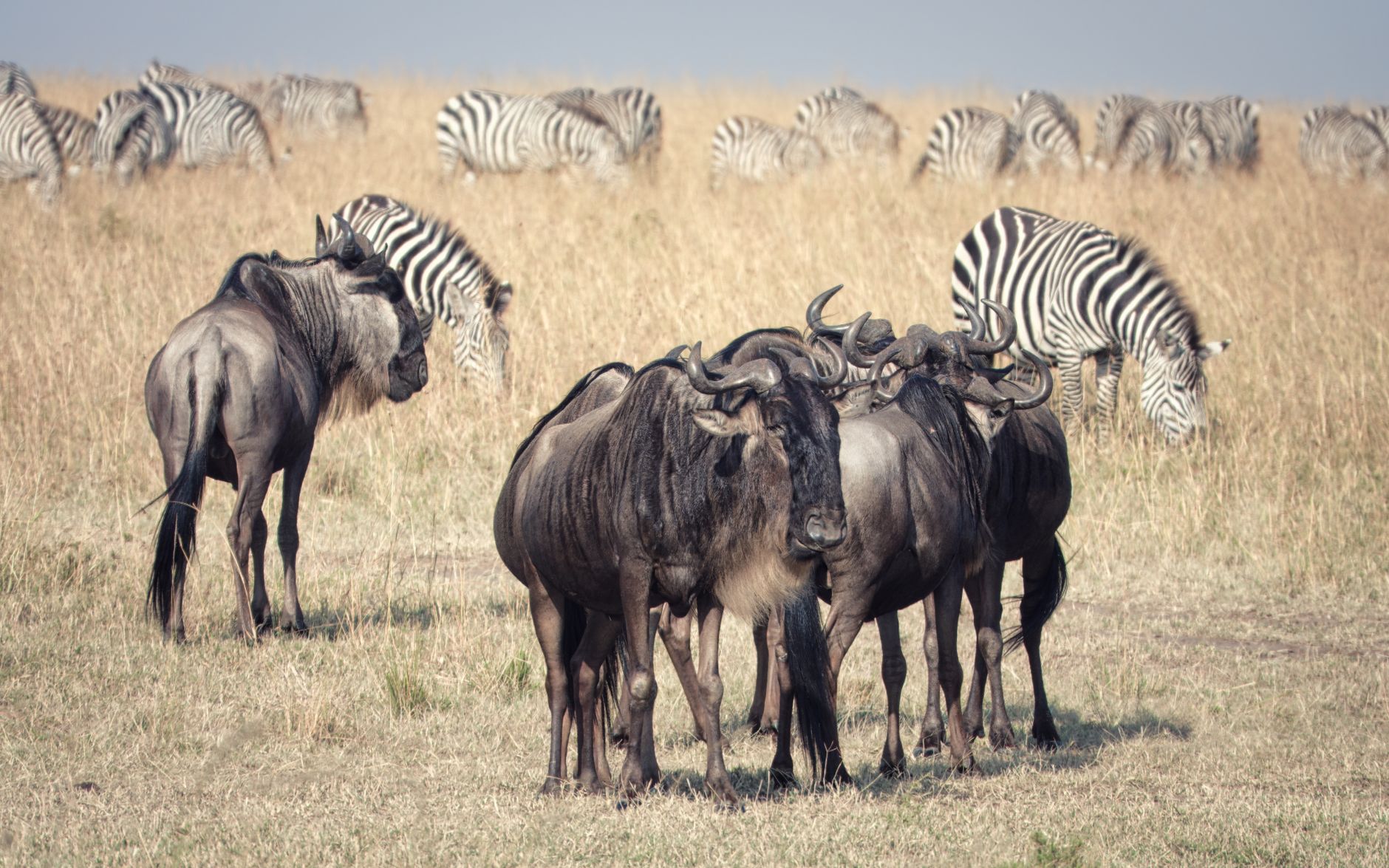
The Maasai Mara National Reserve is one of the most iconic safari destinations in the world. Known for its annual wildebeest migration, the reserve offers a spectacular display of nature’s cycles. Millions of wildebeest, zebras, and gazelles traverse the plains in search of greener pastures, attracting predators and creating dramatic wildlife interactions.
The best time to visit the Maasai Mara is during the migration season, typically between July and October. During this period, the reserve is teeming with wildlife, and the chances of witnessing a river crossing—a thrilling event where herds brave crocodile-infested waters—are high.
Apart from the migration, the Maasai Mara is home to a diverse range of wildlife year-round. Visitors can expect to see not only the Big Five but also cheetahs, hyenas, and a variety of bird species. The reserve’s open plains and rolling hills provide excellent opportunities for photography and wildlife observation.
- Plan your visit during the wildebeest migration for optimal wildlife viewing.
- Stay in a camp or lodge within the reserve for easy access to wildlife.
- Bring a good camera and binoculars for capturing wildlife moments.
New and Improved Safari Tours for 2026
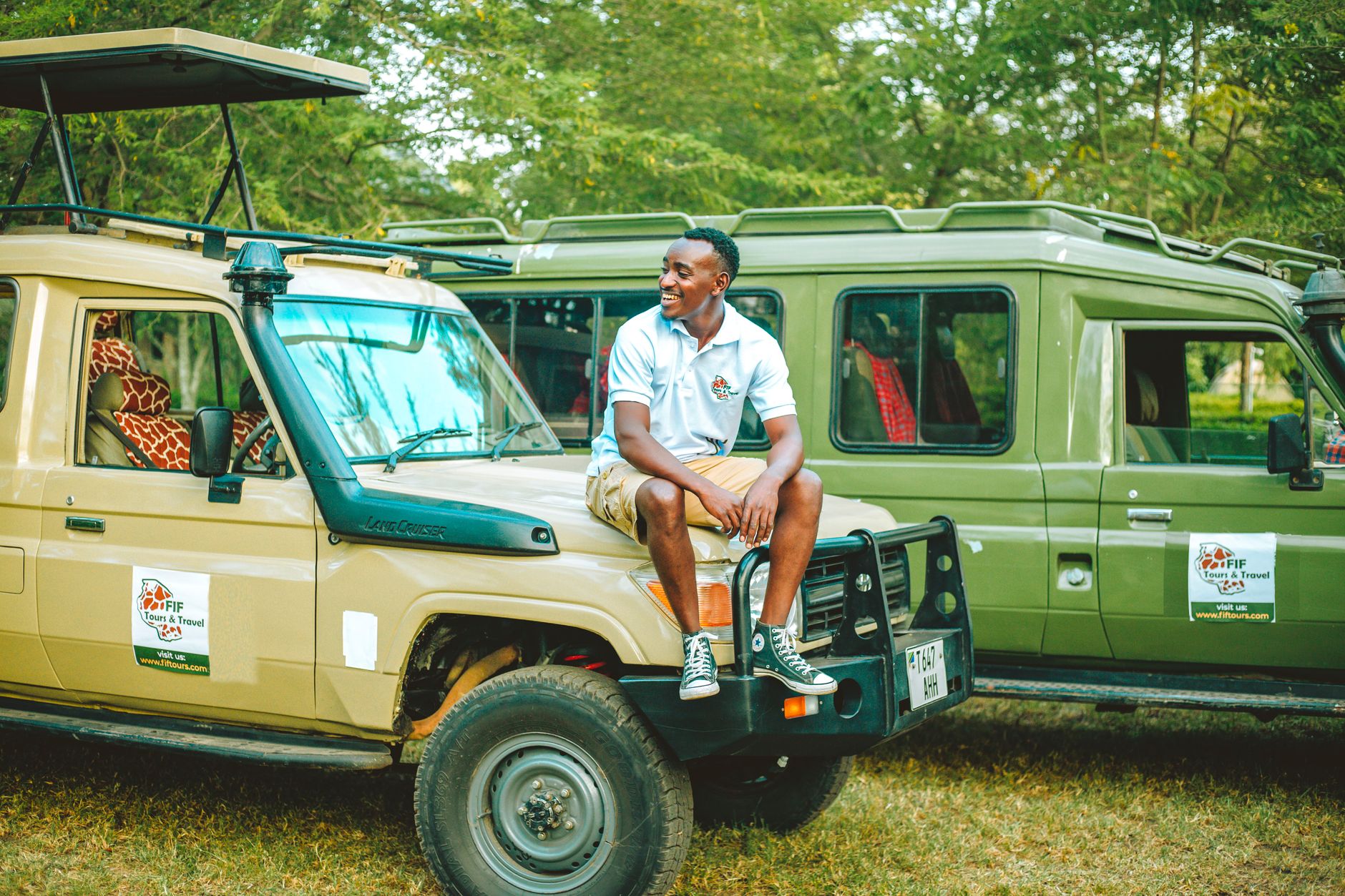
2026 brings exciting new safari tours with enhanced conservation efforts. These tours are designed to offer unique experiences while ensuring the protection of Kenya’s wildlife and natural habitats. Operators are increasingly adopting sustainable practices, such as using solar-powered vehicles and supporting local conservation initiatives.
The latest offerings include specialized tours focusing on specific interests, such as birdwatching, photography, or cultural interactions with local communities. These tours provide a deeper understanding of Kenya’s rich biodiversity and cultural heritage, making them ideal for travelers seeking more than just wildlife viewing.
In addition to traditional game drives, new safari tours incorporate activities like guided walking safaris, night drives, and hot air balloon rides. These experiences allow travelers to explore the landscape from different perspectives and gain a comprehensive understanding of the ecosystem. The emphasis on sustainability ensures that these activities are conducted responsibly, with minimal impact on the environment.
- Opt for tours that use eco-friendly transportation.
- Choose specialized tours for a tailored safari experience.
- Explore different activities like walking safaris and hot air balloon rides.
Preparing for Your Kenyan Safari Adventure
Preparation is key to a successful safari. Ensuring you have the right gear and knowledge will enhance your experience and keep you safe. Start by packing essentials such as lightweight clothing, a hat, sunscreen, and insect repellent. Binoculars and a good camera are also must-haves for capturing wildlife moments.
Health precautions are important when traveling to Kenya. Consult with a healthcare provider about necessary vaccinations and medications, such as malaria prophylaxis. It’s also advisable to have travel insurance that covers medical emergencies and evacuation, given the remote nature of safari locations.
Understanding the local culture and customs can enrich your safari experience. Learning a few basic Swahili phrases and respecting local traditions will help you connect with the communities you encounter. Additionally, being informed about the conservation challenges facing Kenya’s wildlife will deepen your appreciation for the efforts to protect these natural treasures.
- Pack lightweight clothing and essential gear for comfort.
- Consult a healthcare provider for vaccinations and medications.
- Learn basic Swahili phrases to enhance cultural interactions.
Booking Tips for a Successful Safari Experience
With high demand for safaris, especially during peak seasons, booking in advance is crucial. Securing your safari tour and accommodations early ensures you have the best options available and can avoid disappointment. Popular destinations like the Maasai Mara and Amboseli fill up quickly, particularly during migration season.
When booking, consider the type of safari experience you want. Options range from luxury lodges to budget-friendly camping safaris. Each offers a different level of comfort and amenities, so choose based on your preferences and budget. It’s also worth looking into package deals that include transportation, meals, and guided tours for a hassle-free experience.
Working with reputable tour operators is essential for a successful safari. Look for operators with positive reviews and a commitment to sustainable tourism practices. They should provide detailed itineraries and be transparent about costs and inclusions. A good operator will also offer flexibility in case of changes to your travel plans.
- Book your safari and accommodations well in advance.
- Choose a safari package that suits your budget and preferences.
- Select reputable tour operators committed to sustainability.
Guided Tours: Enhancing Your Wildlife Viewing
Guided tours offer expert insights and increase your chances of spotting wildlife. Experienced guides have an in-depth understanding of animal behavior and the best locations for sightings. They can interpret the subtle signs of the bush, such as tracks and sounds, that might go unnoticed by untrained eyes.
In addition to enhancing wildlife viewing, guided tours provide educational value. Guides share their knowledge about the ecosystem, conservation efforts, and the cultural significance of the areas visited. This enriches the safari experience, turning it into an opportunity for learning and personal growth.
Safety is another advantage of guided tours. Guides are trained to handle various situations, from wildlife encounters to medical emergencies. They ensure that safaris are conducted responsibly and that the well-being of both travelers and wildlife is prioritized. For those embarking on wildlife safaris in Kenya 2026, guided tours are highly recommended for a comprehensive and safe experience.
- Choose guided tours for expert wildlife insights.
- Benefit from the educational value provided by experienced guides.
- Ensure safety and responsible tourism with professional guides.
Conservation Efforts and Sustainable Tourism
Kenya’s commitment to conservation is evident in its safari tours. The country has implemented numerous initiatives to protect its wildlife and natural habitats, recognizing the importance of sustainable tourism. These efforts include anti-poaching measures, habitat restoration projects, and community-based conservation programs.
Tourism plays a vital role in funding conservation efforts. Entrance fees to national parks and reserves contribute to the maintenance and protection of these areas. By choosing eco-friendly tours and accommodations, travelers can support these initiatives and ensure that their visit has a positive impact on the environment.
Travelers are encouraged to participate in conservation activities during their safari. This can include visiting local conservation centers, volunteering for habitat restoration projects, or simply adhering to responsible tourism practices. By being mindful of their environmental footprint, visitors can help preserve Kenya’s natural beauty for future generations while enjoying the unparalleled experience of wildlife safaris in Kenya 2026.
- Support conservation by choosing eco-friendly tours.
- Participate in conservation activities during your safari.
- Be mindful of your environmental footprint while traveling.