
Interactive Eco-Trekking Adventures in New Zealand for 2026
Eco-trekking adventures in New Zealand offer a unique opportunity to explore the country’s stunning landscapes while promoting sustainable tourism. This approach to trekking emphasizes environmental education and minimal impact on the natural surroundings, making it an ideal choice for eco-conscious travelers and adventure enthusiasts. As New Zealand continues to lead in sustainable tourism practices, eco-trekking has become a must-do activity for those looking to experience the country’s natural beauty responsibly.
Introduction to Eco-Trekking in New Zealand
New Zealand’s diverse ecosystems, from lush rainforests to rugged mountains, provide the perfect backdrop for eco-trekking adventures. This form of trekking is designed to minimize environmental impact while maximizing the educational experience for participants. By focusing on sustainability, eco-trekking tours aim to protect the natural beauty of New Zealand for future generations.
Eco-trekking in New Zealand is not just about enjoying the scenery; it’s about understanding the delicate balance of these ecosystems. Participants are often educated on local flora and fauna, conservation efforts, and the cultural significance of the land. This holistic approach enhances the trekking experience, making it both informative and enjoyable.
The importance of eco-trekking lies in its ability to promote sustainable tourism. By choosing eco-friendly options, travelers can contribute to the preservation of New Zealand’s natural resources. This growing trend reflects a shift towards more responsible travel practices, aligning with global efforts to combat climate change and protect biodiversity.
- Choose eco-trekking tours that prioritize sustainability.
- Learn about local conservation efforts during your trek.
- Support local communities by choosing tours that employ local guides.
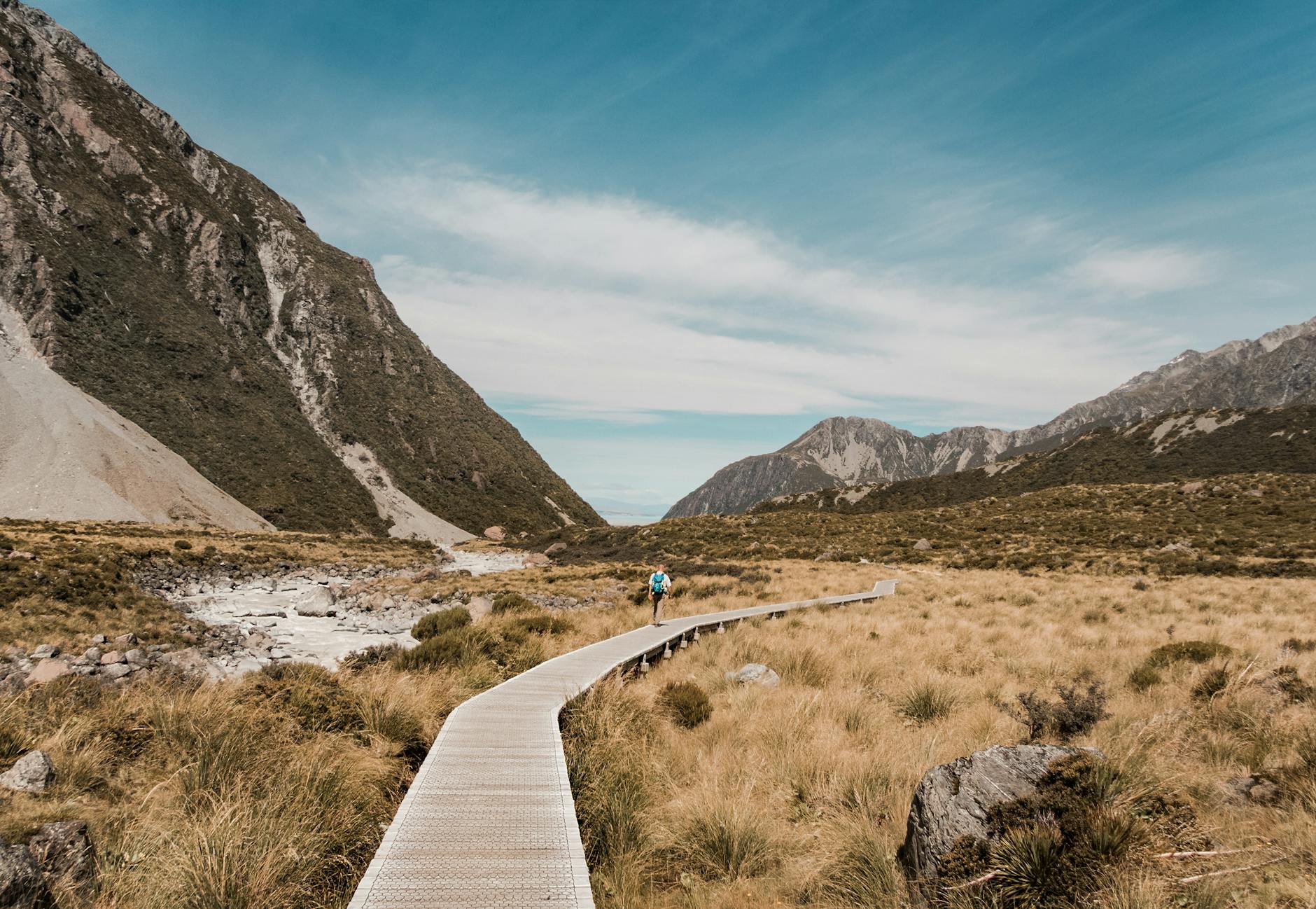
Top Eco-Trekking Destinations in New Zealand
The Tongariro Alpine Crossing is one of New Zealand’s most iconic eco-trekking destinations. This challenging day hike takes trekkers through a landscape of volcanic craters, emerald lakes, and alpine meadows. The trail is part of the Tongariro National Park, a UNESCO World Heritage site, known for its unique geological features and cultural significance to the Māori people.
The Routeburn Track, another popular eco-trekking route, offers a multi-day adventure through the Southern Alps. This track is renowned for its breathtaking vistas, including views of snow-capped peaks, pristine rivers, and ancient beech forests. The Routeburn Track is a testament to New Zealand’s commitment to preserving its natural heritage, with strict regulations in place to protect the environment.
For those seeking a more remote experience, the Heaphy Track in the Kahurangi National Park provides an opportunity to explore diverse landscapes, from lush rainforests to rugged coastlines. This track is home to a variety of native wildlife, including the rare great spotted kiwi. Eco-trekking on the Heaphy Track allows participants to immerse themselves in New Zealand’s unique biodiversity.
- Tongariro Alpine Crossing: Volcanic landscapes and cultural heritage.
- Routeburn Track: Alpine vistas and pristine nature.
- Heaphy Track: Diverse ecosystems and native wildlife.

Sustainable Practices in New Zealand’s Eco-Trekking
Eco-trekking tours in New Zealand are designed with sustainability at their core. Tour operators implement various practices to minimize environmental impact, such as limiting group sizes and using eco-friendly transportation. These measures help reduce the carbon footprint of trekking activities and preserve the natural environment.
Waste management is a critical component of sustainable eco-trekking. Participants are encouraged to carry out all waste and use biodegradable products. Some tours also engage in conservation projects, such as tree planting and habitat restoration, to give back to the environment.
Education plays a vital role in promoting sustainable practices. Eco-trekking tours often include workshops and discussions on environmental issues, empowering participants to make informed decisions about their impact on the planet. This educational component is essential for fostering a culture of sustainability among trekkers.
- Choose tours with a strong focus on sustainability.
- Participate in conservation projects during your trek.
- Use biodegradable products and carry out all waste.
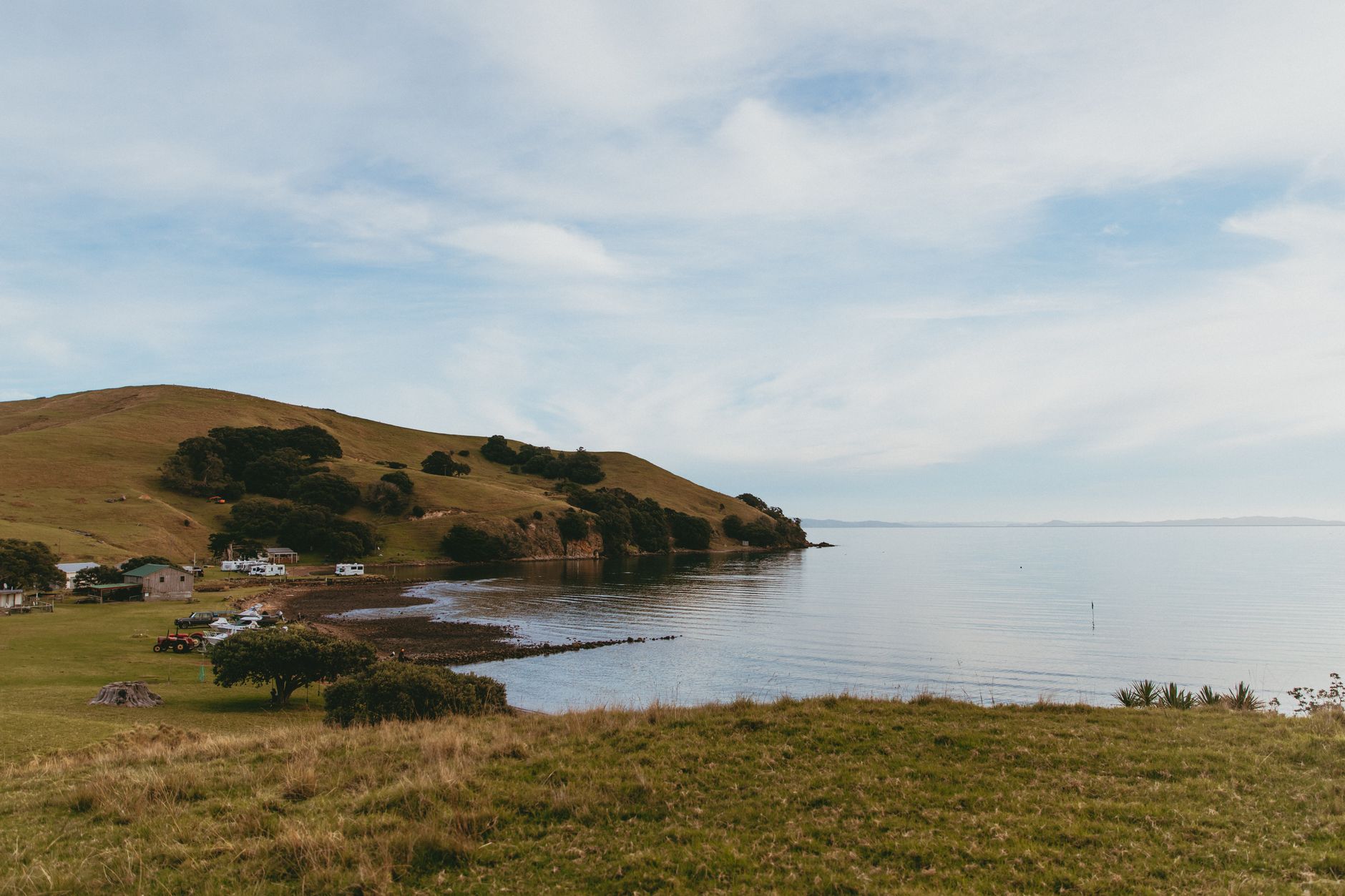
Guided Eco-Trekking Tours: What to Expect
Guided eco-trekking tours in New Zealand offer a comprehensive experience that combines adventure with education. Participants can expect to learn about the local environment from knowledgeable guides who are passionate about conservation. These guides provide insights into the ecological and cultural significance of the areas visited.
Safety is a top priority on guided eco-trekking tours. Operators ensure that all participants are equipped with the necessary gear and are briefed on safety protocols. This includes understanding the terrain, weather conditions, and any potential hazards that may be encountered during the trek.
The educational component of guided tours often includes interactive activities, such as identifying native plants and animals, understanding geological formations, and learning about the history of the land. This hands-on approach enhances the trekking experience, making it both engaging and informative.
- Expect knowledgeable guides with a focus on conservation.
- Be prepared for safety briefings and necessary gear.
- Engage in interactive educational activities during the trek.
Planning Your Eco-Trekking Adventure
Planning an eco-trekking adventure in New Zealand requires careful consideration of various factors. Timing is crucial, as weather conditions can greatly affect the trekking experience. The best time to trek is during the country’s summer months, from December to February, when the weather is more stable.
Choosing the right gear is essential for a successful trek. Participants should invest in high-quality, eco-friendly equipment, including sturdy hiking boots, weather-appropriate clothing, and reusable water bottles. Packing light and efficiently is also important to minimize the environmental impact.
Booking a tour with a reputable operator is key to ensuring a sustainable and enjoyable experience. Look for operators that prioritize environmental education and have a strong commitment to sustainable practices. Early booking is recommended, as eco-trekking tours can fill up quickly during peak season.
- Research the best time of year for your trek.
- Invest in eco-friendly gear and pack efficiently.
- Book early with a reputable, sustainable tour operator.
Leave No Trace Principles for Trekkers
The Leave No Trace principles are a set of guidelines designed to minimize the environmental impact of outdoor activities. These principles are particularly important in eco-trekking, where the goal is to preserve the natural environment for future generations. Trekkers are encouraged to follow these principles to ensure that their presence does not harm the ecosystems they explore.
Key principles include planning ahead and preparing, traveling and camping on durable surfaces, disposing of waste properly, and leaving what you find. By adhering to these guidelines, trekkers can reduce their impact on the environment and help maintain the pristine condition of New Zealand’s natural landscapes.
Education is a crucial component of the Leave No Trace philosophy. Eco-trekking tours often incorporate these principles into their educational programs, teaching participants how to apply them in real-world scenarios. This knowledge empowers trekkers to make responsible choices that benefit both the environment and their overall trekking experience.
- Plan ahead and prepare for your trek.
- Travel and camp on durable surfaces.
- Dispose of waste properly and leave what you find.
Multi-Day Eco-Trekking Expeditions
Multi-day eco-trekking expeditions in New Zealand offer a deeper immersion into the country’s natural beauty. These longer treks provide an opportunity to explore remote areas and experience the diverse landscapes that New Zealand has to offer. Participants can expect to encounter a variety of terrains, from alpine regions to coastal paths.
The challenges of multi-day treks include managing supplies, dealing with changing weather conditions, and maintaining energy levels over several days. However, the rewards are significant, with the chance to witness breathtaking scenery and gain a profound appreciation for the natural world.
Popular multi-day routes include the Milford Track, known as the ‘finest walk in the world,’ and the Abel Tasman Coast Track, which offers stunning coastal views. These expeditions are designed to be eco-friendly, with a focus on sustainability and environmental education. Eco-trekking adventures in New Zealand provide a unique opportunity to connect with nature while promoting conservation efforts.
- Prepare for the challenges of multi-day treks.
- Choose routes that offer diverse landscapes.
- Focus on sustainability and environmental education.