
Visa and Document Innovations: Digital Health Passports for Seamless Travel in 2026
Digital Health Passports are set to revolutionize the travel industry by 2026, offering a streamlined and secure method for storing and sharing travelers’ health information. These innovative tools aim to facilitate safe and efficient international travel post-pandemic, reducing the need for physical document checks at borders and streamlining the verification process of travelers’ health status.
Understanding Digital Health Passports
Digital Health Passports are digital tools designed to securely store and share travelers’ health information, such as vaccination records and COVID-19 test results. The primary purpose of these passports is to integrate health data with existing travel documents, thereby modernizing the travel process. Utilizing blockchain technology and secure cloud storage, these passports ensure that sensitive health information is accessible only to authorized parties, such as airlines and border control agencies.
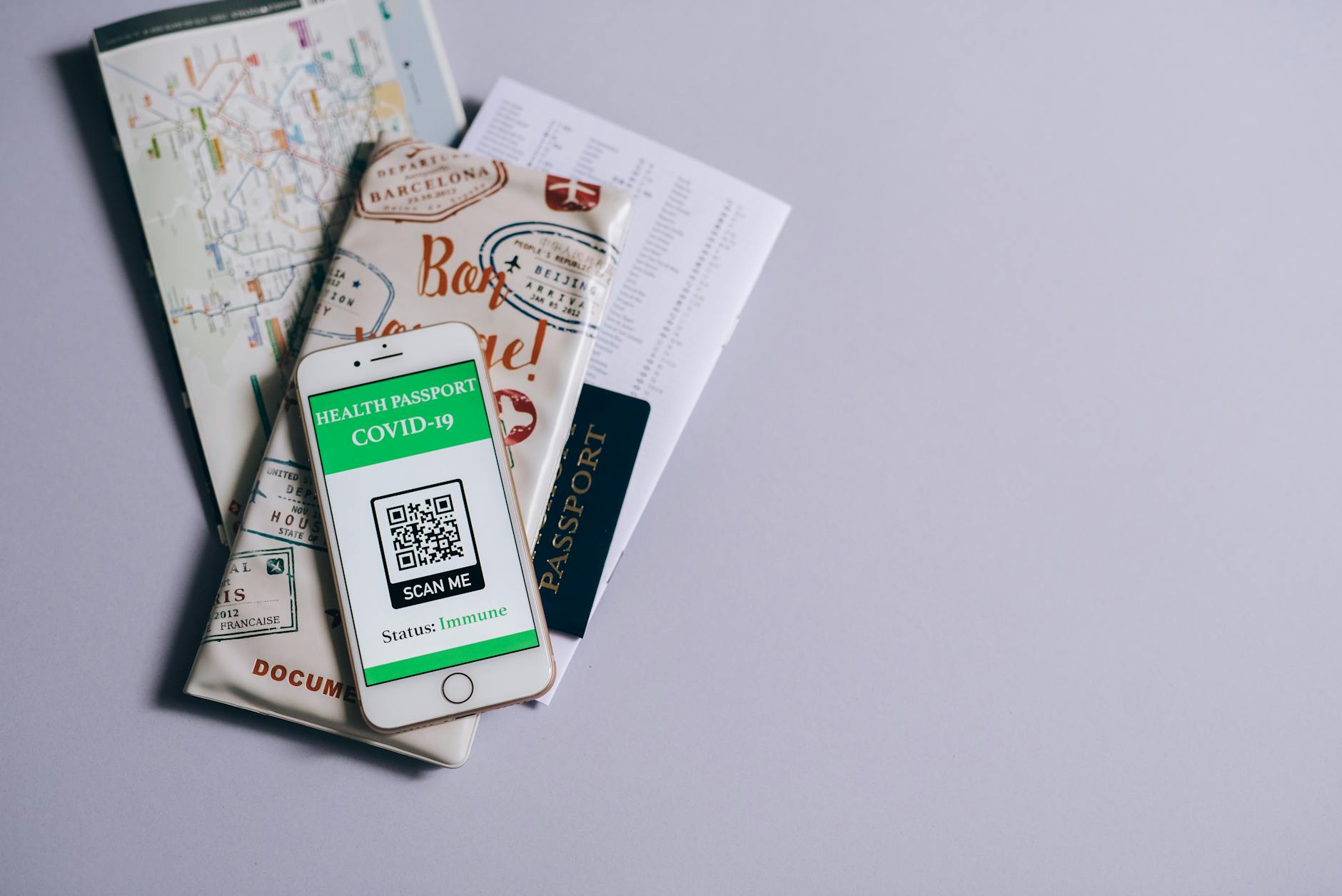
The integration of Digital Health Passports with existing travel documents is achieved through QR codes or digital certificates that can be scanned at various checkpoints. This seamless integration not only speeds up the verification process but also reduces the reliance on physical documents, which can be easily lost or forged. By modernizing travel documentation, these passports play a crucial role in enhancing the efficiency and security of international travel.
As the travel industry continues to evolve, Digital Health Passports are expected to become a cornerstone of travel documentation. Their ability to provide real-time updates and verifications makes them an indispensable tool for travelers and authorities alike. By 2026, these passports are anticipated to be widely adopted, setting a new standard for international travel protocols.
- Understand the technology behind Digital Health Passports.
- Learn how they integrate with existing travel documents.
- Explore their role in modernizing travel.
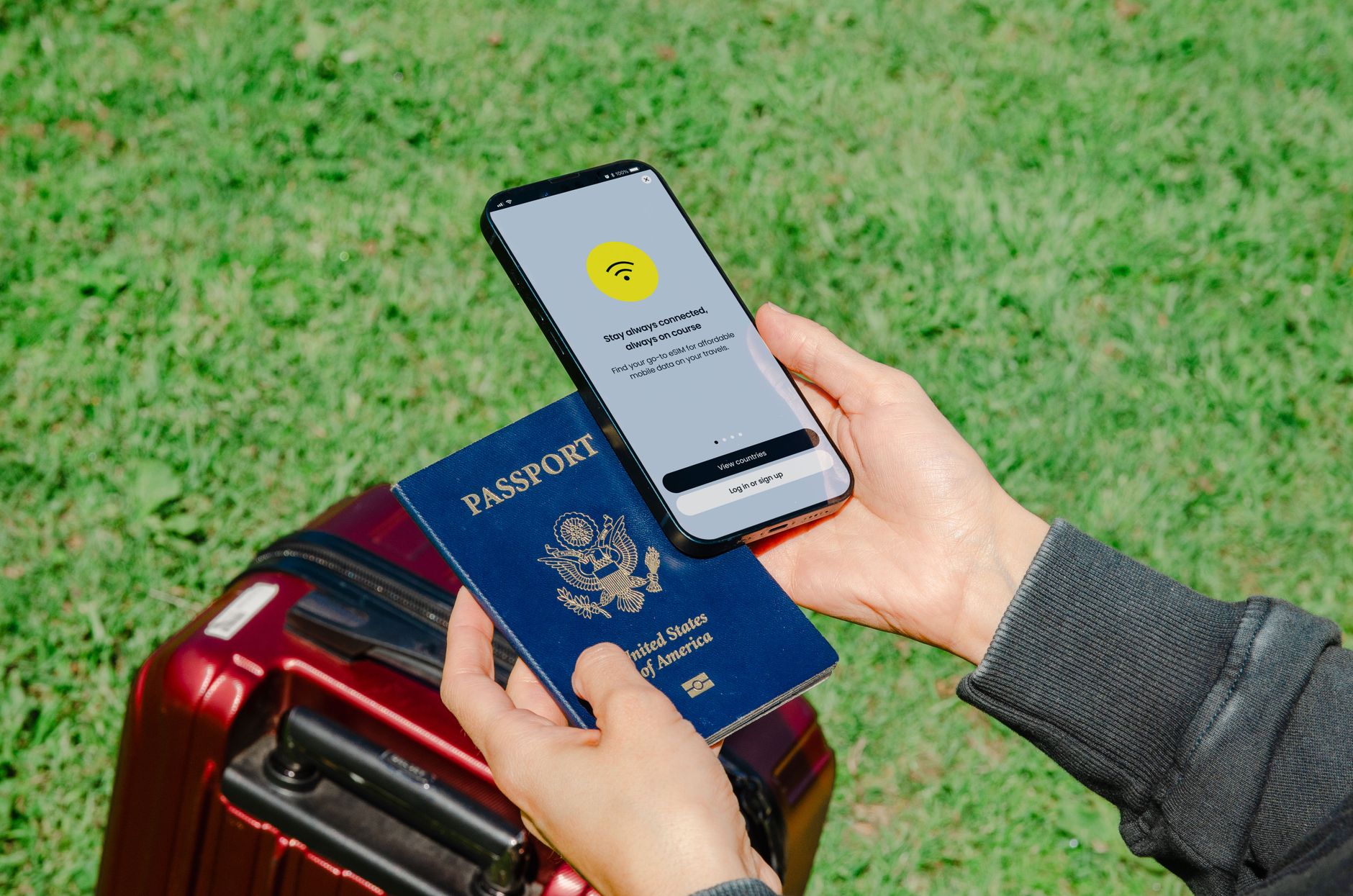
Benefits of Digital Health Passports for Travelers
Digital Health Passports offer numerous benefits for travelers, primarily by reducing wait times at borders and enhancing the overall travel experience. By providing a digital platform for health verification, these passports eliminate the need for manual checks, allowing for faster processing and fewer delays. This efficiency is particularly beneficial in busy airports and international hubs where time is of the essence.
In addition to reducing wait times, Digital Health Passports enhance safety by ensuring that only travelers who meet health requirements are allowed to board flights or enter countries. This added layer of security is crucial in preventing the spread of infectious diseases and maintaining public health standards. Travelers can enjoy peace of mind knowing that their health status is verified and accepted by international authorities.
Convenience is another significant advantage offered by Digital Health Passports. Travelers no longer need to carry multiple physical documents or worry about losing important health records. All necessary information is stored digitally and can be accessed at any time, making the travel process smoother and more efficient. This convenience extends to re-entry into home countries, where health verification is often required.
- Experience reduced wait times at borders.
- Enjoy enhanced safety and security.
- Benefit from the convenience of digital documentation.

How Digital Health Passports Work
The operation of Digital Health Passports involves several key steps, starting with the acquisition of the passport itself. Travelers can obtain a Digital Health Passport through authorized apps or platforms, where they are required to upload their health information, such as vaccination records and recent test results. This data is then verified by healthcare providers or relevant authorities to ensure its accuracy and validity.
Once the health data is verified, it is securely stored within the digital passport, which can be accessed via a smartphone app or a web portal. Travelers receive a QR code or digital certificate that serves as proof of their health status. This code can be scanned at airports, border checkpoints, and other travel-related locations to verify the traveler’s eligibility to travel.
The sharing of health information through Digital Health Passports is designed to be secure and efficient. Only authorized personnel, such as airline staff and border control agents, can access the data, ensuring that travelers’ privacy is maintained. The entire process is streamlined to minimize delays and ensure that travelers can move through checkpoints quickly and with minimal hassle.
- Obtain a Digital Health Passport through authorized platforms.
- Upload and verify health information securely.
- Use QR codes or digital certificates for health verification.
Privacy and Security Concerns
Privacy and data security are paramount concerns in the implementation of Digital Health Passports. Travelers are understandably wary of sharing sensitive health information, and ensuring the protection of this data is critical for the widespread acceptance of these passports. **Robust encryption methods** are employed to safeguard the data, preventing unauthorized access and ensuring that only verified parties can view the information.
Potential risks associated with Digital Health Passports include data breaches and unauthorized sharing of personal information. To mitigate these risks, developers are implementing **multi-factor authentication** and other security measures to enhance the protection of travelers’ data. These measures are designed to provide travelers with confidence that their information is secure and used solely for the intended purpose of travel verification.
The success of Digital Health Passports hinges on addressing these privacy and security concerns effectively. By prioritizing data protection and transparency, developers aim to build trust among travelers and encourage the adoption of these innovative tools. Ongoing updates and improvements to security protocols are essential to maintaining the integrity and reliability of Digital Health Passports.
- Ensure robust encryption methods are in place.
- Implement multi-factor authentication for added security.
- Prioritize transparency to build trust among travelers.
Adoption by Airlines and Border Control
Airlines and border control agencies are at the forefront of adopting Digital Health Passports, recognizing their potential to streamline operations and enhance passenger safety. Many airlines have already begun pilot programs to test the integration of these passports into their systems, allowing them to verify travelers’ health status quickly and efficiently. These programs aim to identify best practices and address any challenges that may arise during implementation.
Border control agencies are also preparing for the widespread adoption of Digital Health Passports by upgrading their infrastructure and training personnel to handle digital health verifications. This preparation is crucial to ensure a smooth transition and to avoid disruptions in travel operations. By embracing these technological advancements, border control agencies can enhance their ability to manage international travel effectively.
The collaboration between airlines, border control agencies, and technology providers is essential for the successful adoption of Digital Health Passports. By working together, these stakeholders can develop standardized protocols and ensure that the passports are compatible with existing systems. This collaboration will pave the way for a seamless travel experience and set the stage for the future of international travel.
- Participate in pilot programs to test integration.
- Upgrade infrastructure for digital health verifications.
- Collaborate with stakeholders for standardized protocols.
Future of Travel with Digital Health Passports
The future of international travel is poised to be significantly influenced by the adoption of Digital Health Passports. As these passports become more prevalent, they are likely to become a standard requirement for travelers, much like traditional passports and visas. This shift will necessitate changes in travel norms and protocols, with a greater emphasis on health verification as a critical component of the travel process.
Digital Health Passports have the potential to transform the travel industry by providing a more efficient and secure method of verifying travelers’ health status. This transformation will not only benefit travelers by reducing wait times and enhancing safety but also streamline operations for airlines and border control agencies. As the technology continues to evolve, we can expect further innovations that will enhance the functionality and usability of these passports.
By 2026, the widespread adoption of Digital Health Passports is anticipated to redefine the landscape of international travel. As privacy and security concerns are addressed, and as more stakeholders embrace this technology, these passports will likely become an integral part of the travel experience. The integration of Digital Health Passports with other travel technologies will further enhance their utility, making them indispensable tools for travelers and authorities alike.
- Prepare for Digital Health Passports as a standard requirement.
- Embrace changes in travel norms and protocols.
- Anticipate further innovations in passport functionality.