
Eco-Friendly Experiences in Costa Rica
Costa Rica stands as a beacon of eco-friendly experiences Costa Rica, with its unwavering commitment to sustainability and eco-tourism. The nation aims for carbon neutrality, supported by its vast network of national parks and protected areas that cover over 25% of its land. This dedication not only preserves its rich biodiversity but also positions Costa Rica as a leader in sustainable travel, offering eco-conscious travelers a chance to explore responsibly.
Introduction to Eco-Tourism in Costa Rica
Costa Rica’s commitment to eco-tourism is evident in its ambitious goal to become carbon neutral. The country has implemented policies that promote renewable energy and conservation, making it a global leader in sustainable practices. With over 25% of its land designated as protected areas, Costa Rica offers a sanctuary for diverse flora and fauna, attracting eco-conscious travelers from around the world.
The extensive network of national parks and reserves in Costa Rica is a testament to its dedication to preserving natural habitats. These areas not only protect wildlife but also provide educational opportunities for visitors to learn about conservation efforts. The country’s focus on sustainability is further highlighted by its support for local communities through eco-tourism initiatives.
Costa Rica’s eco-tourism model emphasizes the importance of balancing environmental conservation with economic development. By promoting sustainable travel practices, the country ensures that tourism benefits both the environment and local communities. This approach has positioned Costa Rica as a pioneer in eco-friendly tourism, offering travelers a unique opportunity to experience nature responsibly.
- Visit Costa Rica’s national parks to support conservation efforts.
- Choose eco-friendly tours that prioritize sustainability.
- Learn about Costa Rica’s carbon neutrality goals during your visit.
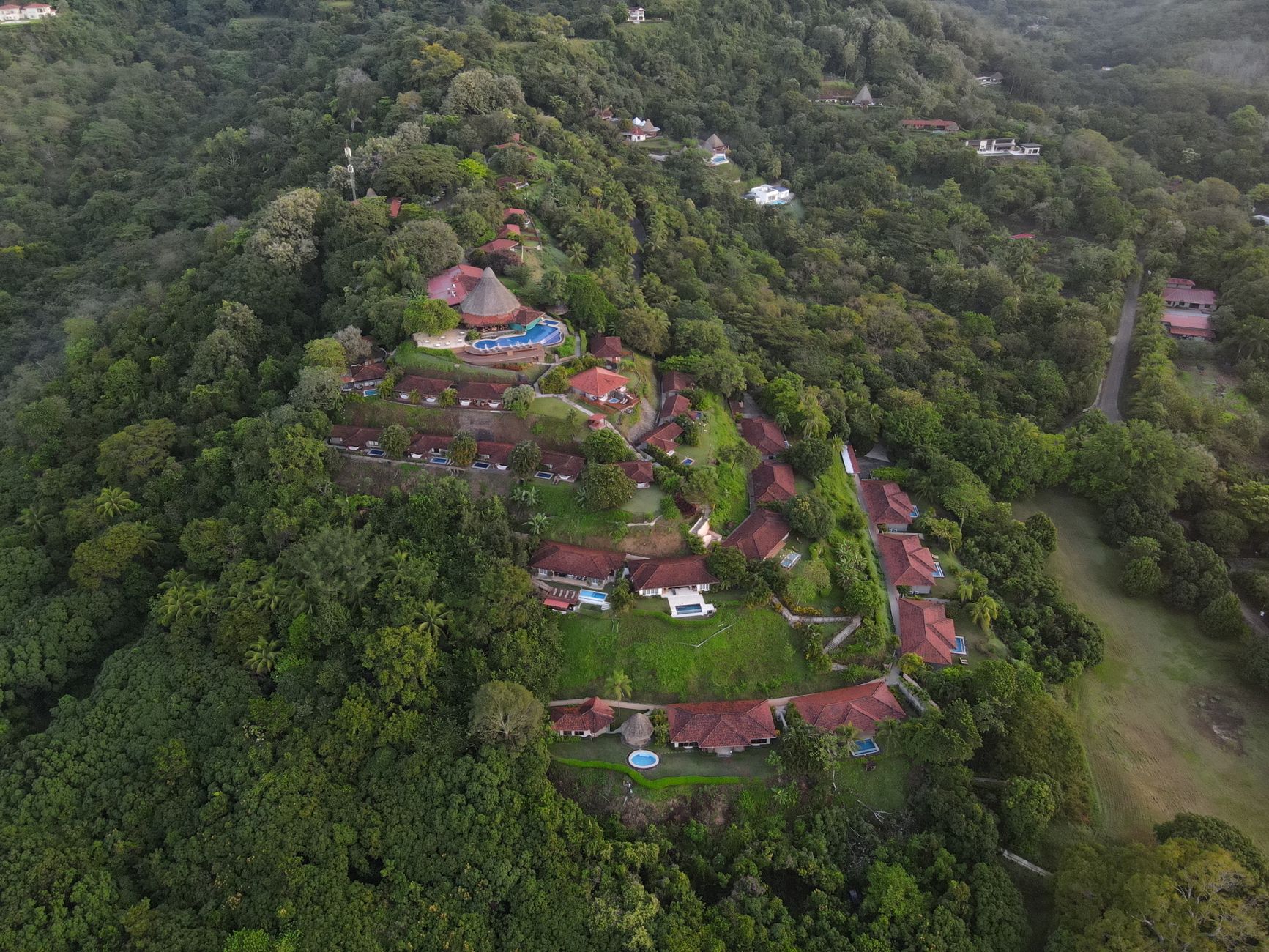
Sustainable Accommodations: Where to Stay
Costa Rica’s commitment to sustainability extends to its hospitality industry, with many lodges and hotels certified by the Certification for Sustainable Tourism (CST). This certification ensures that accommodations adhere to strict environmental and social standards, providing eco-conscious travelers with responsible lodging options.
Eco-friendly lodges in Costa Rica often incorporate sustainable practices such as solar energy, rainwater harvesting, and waste reduction. These accommodations not only minimize their environmental impact but also offer guests a unique opportunity to experience nature up close. Many lodges are located in remote areas, providing a tranquil escape while supporting local conservation efforts.
Travelers seeking sustainable accommodations can choose from a variety of options, ranging from luxury eco-resorts to rustic eco-lodges. These establishments prioritize environmental stewardship and community engagement, offering guests an authentic and responsible travel experience. By choosing CST-certified accommodations, travelers can contribute to Costa Rica’s sustainability goals while enjoying a comfortable stay.
- Look for accommodations with the CST certification.
- Choose lodges that use renewable energy sources.
- Support hotels that engage in local conservation projects.

Eco-Friendly Activities and Tours
Costa Rica offers a plethora of eco-friendly activities and tours that allow travelers to immerse themselves in the country’s natural beauty while supporting conservation efforts. Guided eco-tours provide educational experiences that highlight the importance of preserving local ecosystems. These tours often include visits to national parks, wildlife reserves, and protected areas.
Bird watching is a popular activity in Costa Rica, home to over 900 bird species. Eco-conscious travelers can join guided bird watching tours led by knowledgeable naturalists who emphasize the significance of habitat conservation. These tours not only offer a chance to observe rare and exotic birds but also support local conservation initiatives.
Educational hikes are another way to explore Costa Rica’s diverse landscapes responsibly. These hikes are designed to educate visitors about the region’s unique flora and fauna, as well as the conservation challenges they face. By participating in these activities, travelers can gain a deeper understanding of the importance of protecting Costa Rica’s natural heritage.
- Join guided eco-tours to learn about local ecosystems.
- Participate in bird watching tours to support conservation.
- Take educational hikes to explore Costa Rica’s landscapes responsibly.

Wildlife Conservation Projects
Travelers to Costa Rica have the opportunity to participate in various wildlife conservation projects, contributing to the preservation of the country’s rich biodiversity. These projects often involve hands-on activities such as monitoring wildlife populations, restoring habitats, and supporting breeding programs for endangered species.
Organizations like the Sea Turtle Conservancy and the Monteverde Conservation League offer volunteer programs that allow travelers to engage in meaningful conservation work. Participants can assist with tasks such as beach clean-ups, data collection, and environmental education, making a positive impact on local ecosystems.
By joining wildlife conservation projects, travelers not only contribute to the protection of Costa Rica’s natural resources but also gain valuable insights into the challenges faced by conservationists. These experiences provide a unique opportunity to learn about the delicate balance between human activity and environmental preservation.
- Sea Turtle Conservancy: Volunteer in sea turtle conservation efforts.
- Monteverde Conservation League: Participate in reforestation projects.
- La Selva Biological Station: Assist with wildlife research and monitoring.
Sustainable Farming and Local Cuisine
Sustainable farming is a cornerstone of Costa Rica’s commitment to eco-friendly practices. Visitors can tour organic farms that use sustainable agriculture techniques, such as permaculture and agroforestry, to produce high-quality crops while minimizing environmental impact. These tours often include hands-on activities, allowing travelers to learn about sustainable farming methods firsthand.
Local cuisine in Costa Rica is heavily influenced by its agricultural practices, with an emphasis on fresh, locally sourced ingredients. By supporting restaurants that prioritize sustainable sourcing, travelers can enjoy authentic Costa Rican dishes while contributing to the local economy. Many establishments also offer farm-to-table dining experiences, showcasing the best of Costa Rica’s culinary offerings.
Participating in sustainable farming tours and enjoying local cuisine are excellent ways for travelers to support Costa Rica’s conservation efforts. These experiences not only provide insight into the country’s agricultural practices but also highlight the importance of preserving traditional foodways and supporting local communities.
- Visit organic farms to learn about sustainable agriculture.
- Dine at restaurants that prioritize locally sourced ingredients.
- Participate in farm-to-table dining experiences.
Exploring Costa Rica’s National Parks
Costa Rica’s national parks are a testament to the country’s dedication to preserving its natural heritage. These parks offer visitors a chance to explore diverse ecosystems, from lush rainforests to pristine beaches. Popular parks like Corcovado National Park and Manuel Antonio National Park are renowned for their rich biodiversity and stunning landscapes.
Visitors to Costa Rica’s national parks are encouraged to explore responsibly, adhering to guidelines that protect the environment and wildlife. This includes staying on designated trails, minimizing waste, and respecting wildlife habitats. Many parks also offer guided tours that provide educational insights into the unique ecosystems and conservation efforts in place.
By exploring Costa Rica’s national parks, travelers can experience the country’s natural beauty while supporting its conservation goals. These protected areas play a crucial role in preserving biodiversity and promoting sustainable tourism, offering a model for responsible travel that benefits both the environment and local communities.
- Visit Corcovado National Park for its biodiversity.
- Explore Manuel Antonio National Park’s stunning beaches.
- Join guided tours to learn about park ecosystems.
Tips for Responsible Travel in Costa Rica
Travelers to Costa Rica can minimize their environmental impact by adopting responsible travel practices. Using public transportation or carpooling reduces carbon emissions and supports the country’s sustainability goals. Additionally, travelers are encouraged to reduce waste by carrying reusable water bottles and avoiding single-use plastics.
Respecting wildlife is a crucial aspect of responsible travel in Costa Rica. Visitors should maintain a safe distance from animals, avoid feeding wildlife, and adhere to guidelines set by national parks and reserves. These practices help protect wildlife and ensure that natural habitats remain undisturbed.
Eco-friendly experiences Costa Rica often include educational components that emphasize the importance of conservation. By participating in guided tours and conservation projects, travelers can gain a deeper understanding of the country’s environmental challenges and contribute to its sustainability efforts. These experiences not only enrich the travel experience but also promote a culture of responsible tourism.
- Use public transportation to reduce carbon emissions.
- Carry reusable water bottles to minimize waste.
- Respect wildlife by maintaining a safe distance.