
Understanding Emergency Numbers in Great Britain
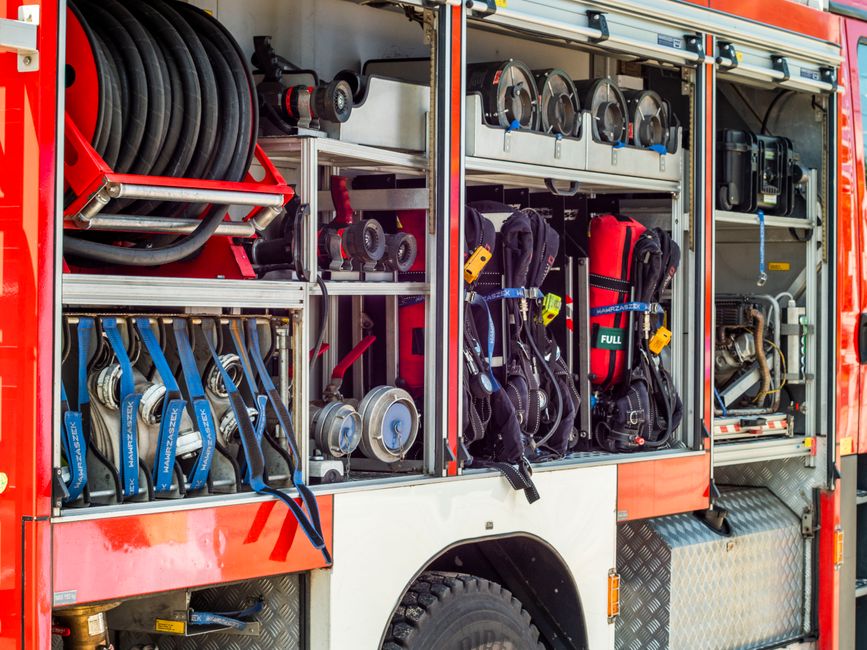
When faced with a critical situation in Great Britain, understanding how to contact the appropriate emergency services is paramount. The primary emergency number for immediate assistance from Police, Fire, and Ambulance services across Great Britain is 999, which is free to call from any telephone, including mobiles. For non-emergency police matters, such as reporting a crime that is not currently in progress or seeking general police advice, dial 101; this service is available 24/7 and costs a flat rate of 15p per call from both landlines and mobile phones. For urgent medical advice when it is not a life-threatening 999 emergency, contact NHS 111, a free service accessible from landlines and mobiles throughout England, Scotland, and Wales, providing guidance or directing you to the most suitable local service. The efficiency of Great Britain emergency services is notable, with the average ambulance response time for Category 1, life-threatening incidents in England, being approximately 7 minutes and 30 seconds.

Accessing Medical Help & Healthcare
Great Britain operates the National Health Service (NHS), which provides free healthcare to all permanent residents. However, visitors may incur charges for certain services, making comprehensive travel insurance highly advisable before your trip. For common ailments, over-the-counter medications are readily available at pharmacies like Boots or Superdrug; for instance, a standard pack of 16 Paracetamol 500mg tablets typically costs between £0.79 and £1.20. It is a wise precaution to familiarize yourself with the location of the nearest NHS Accident & Emergency (A&E) department or a Minor Injury Unit (MIU) to your accommodation, especially if you have any pre-existing medical conditions, ensuring you know where to go for immediate care.

Roadside Assistance & Travel Preparedness
For those travelling by car in Great Britain, being prepared for potential vehicle issues is crucial. Reputable breakdown services such as the AA (Automobile Association) and RAC (Royal Automobile Club) offer comprehensive coverage; the average cost for basic breakdown cover ranges from £35 to £60 per year. If you are not a member of a breakdown service, a single call-out for basic assistance can cost around £15 to £30, excluding parts or extensive repairs. Beyond vehicle-specific preparations, it is always prudent to carry a small amount of physical cash, typically £20 to £50, for unexpected situations where card machines might be unavailable or fail, ensuring you have immediate funds for minor emergencies.

General Safety & Reporting Concerns
The robust infrastructure of Great Britain emergency services, including the Police, Fire & Rescue, and Ambulance Service, operates within a well-defined three-tier system, ensuring comprehensive public safety. To enhance personal safety and aid authorities, consider downloading the ‘What3words’ app (what3words.com), which allows you to provide precise location information to emergency responders, particularly useful in rural or unmarked areas. Visitors are encouraged to register their valuables, such as mobile phones and laptops, on the free national property register Immobilise (immobilise.com); this greatly assists the police in recovery efforts if items are stolen. For reporting suspicious activity or concerns related to national security, the UK Counter Terrorism Police website provides official guidance, while the Royal National Lifeboat Institution (RNLI) offers a vital 24/7 lifeboat search and rescue service around the UK and Ireland, funded entirely by public donations.