
Currency, Payments & Tipping in the UK
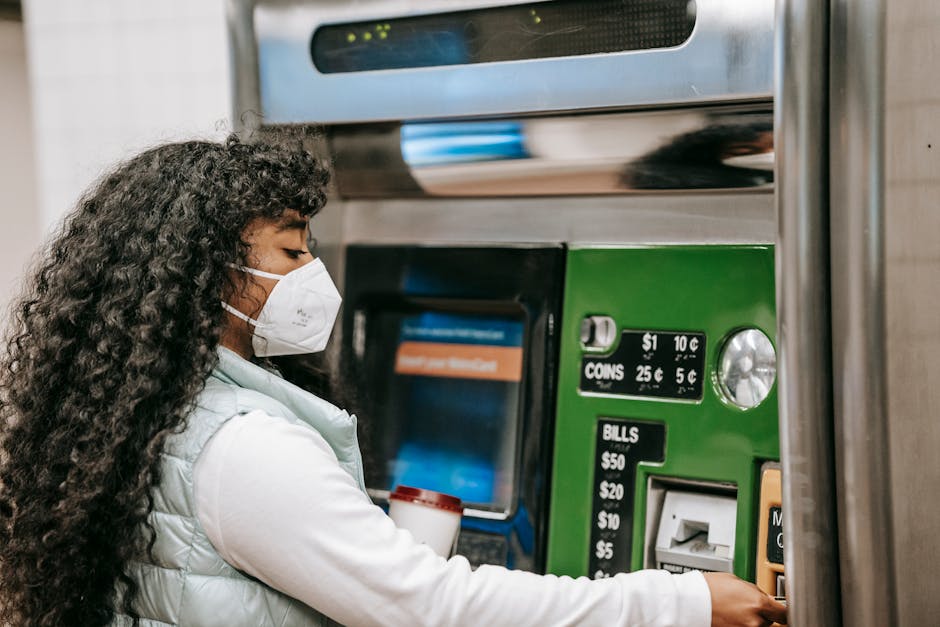
The official currency throughout the United Kingdom is the Pound Sterling (GBP). Visitors will find contactless payment methods, whether by card or mobile pay, are universally accepted and often more efficient than traditional chip and PIN transactions for any amount. While tipping is not mandatory, it is a customary way to show appreciation for good service; a 10-15% gratuity is typical in restaurants, and rounding up the fare for taxi drivers is also common practice. This comprehensive Great Britain travel guide emphasizes the ease of cashless transactions across the nation.
Visa & Health Information for Great Britain
For many international visitors, including citizens from most EU countries, the US, Canada, Australia, and New Zealand, a visa is not required for tourism stays up to six months. It is always prudent to verify specific entry requirements on the official government website, GOV.UK, before planning your trip. While the National Health Service (NHS) provides emergency medical care, non-residents may incur charges for certain services, making comprehensive travel insurance a highly recommended investment for any journey to Great Britain. This Great Britain travel guide aims to provide essential information for a smooth visit.

Navigating Transport in Great Britain
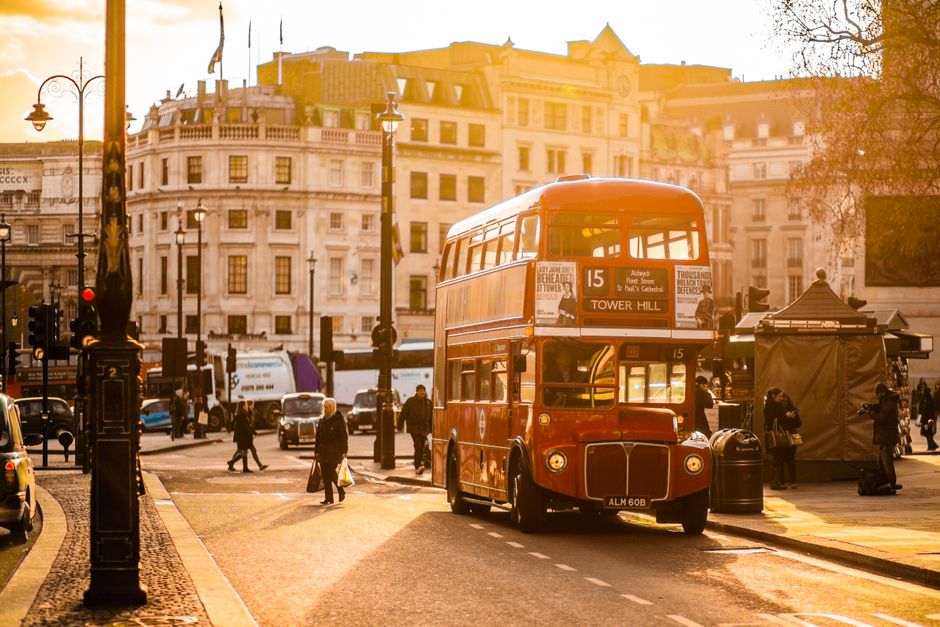
Understanding local transport is crucial for any Great Britain travel guide, starting with the fundamental rule that vehicles drive on the left-hand side of the road. Speed limits are clearly defined: typically 30 mph (48 km/h) in urban areas, 60 mph (96 km/h) on single carriageways, and 70 mph (112 km/h) on dual carriageways and motorways. Major international gateways include London Heathrow (LHR), London Gatwick (LGW), Manchester Airport (MAN), and Edinburgh Airport (EDI), offering extensive global connections. For rail travel, National Rail operates the vast majority of services, with tickets conveniently available through National Rail Enquiries or directly from individual operator websites; booking ‘Advance’ fares well in advance can lead to significant savings, as prices often double or triple on the day of travel. In London, utilizing a contactless bank card or an Oyster card for public transport offers the cheapest fares, making single paper tickets an expensive alternative to avoid.

Essential UK Safety & Emergency Contacts
For immediate assistance in any emergency situation across Great Britain, whether it involves the Police, Fire, or Ambulance services, simply dial 999 or 112 from any phone. These numbers connect you directly to the appropriate emergency responders, ensuring rapid help is dispatched when needed. Familiarizing yourself with these critical contacts is a vital component of responsible travel planning.
Power, Time Zones & Mobile Connectivity
When preparing your electronics for Great Britain, note that the standard electrical voltage is 230V at 50Hz, requiring Type G three-pin plugs, so an adapter will be essential for most international travelers. The country observes Greenwich Mean Time (GMT) from late October to late March, shifting to British Summer Time (BST), which is GMT+1, from late March to late October. For staying connected, leading mobile network operators such as EE, Vodafone, O2, and Three provide extensive 4G and 5G coverage across the nation, ensuring reliable communication and internet access throughout your journey.