
Seasonal Temperatures & Daylight Hours
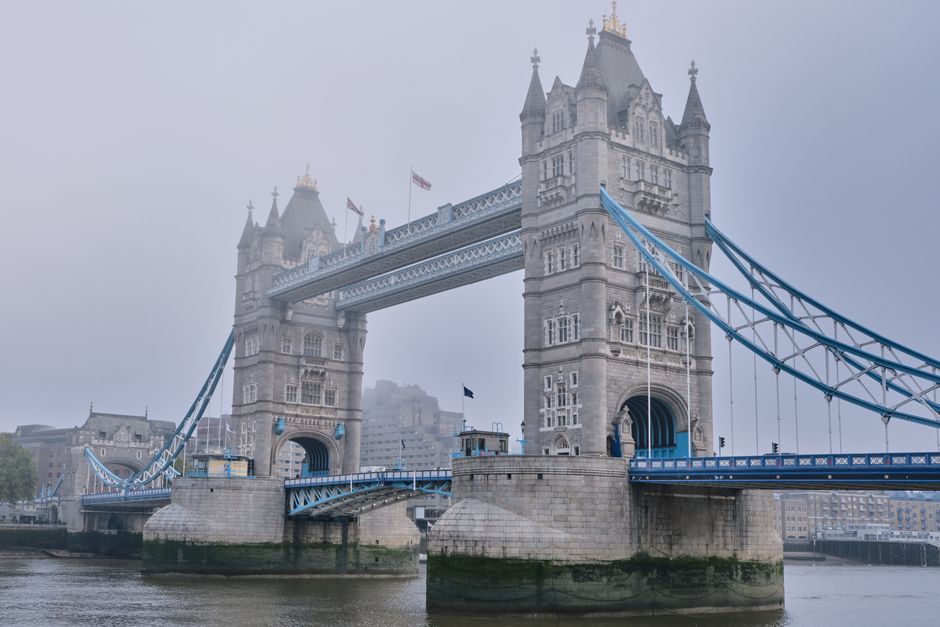
Understanding the seasonal temperatures and daylight hours is crucial for any traveler consulting a Great Britain weather guide. Summers, particularly from July to August, offer the warmest conditions, with London experiencing an average temperature of 19°C (66°F) and highs frequently reaching 25°C (77°F). Conversely, the winter months of December through February see London’s average temperature drop to 5°C (41°F), with lows often around 2°C (36°F), requiring warmer attire.
The variation in daylight hours across Great Britain is quite pronounced due to its northerly latitude. In London, daylight extends to approximately 16.5 hours in June, providing ample time for exploration and outdoor activities. However, by December, these hours significantly reduce to about 7.5 hours, impacting travel planning and daily itineraries.
Rainfall, Wind & Snowfall Patterns
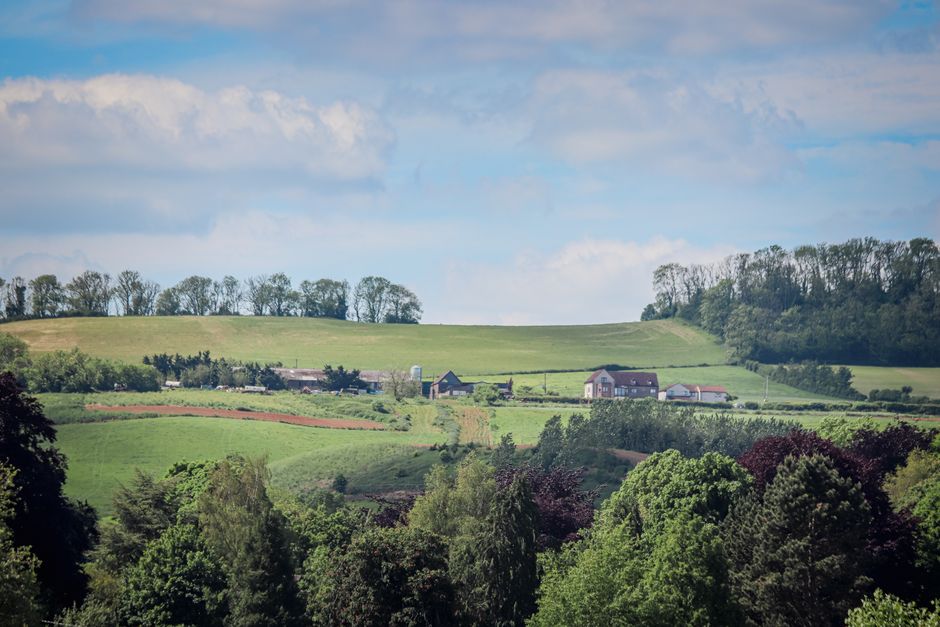
When consulting a Great Britain weather guide, travelers should be prepared for varying rainfall, wind, and snowfall patterns across the nation. October typically stands as the wettest month across Great Britain, averaging 120mm of rainfall, while April is generally the driest, with an average of 60mm. This fluctuation necessitates packing appropriate waterproof gear regardless of the season.
Wind speeds are notably higher in coastal areas, especially in the West, such as Cornwall and the Scottish Highlands, where they often exceed 20 km/h (12 mph), adding a significant chill factor. Snowfall patterns also differ regionally; southern England experiences rare occurrences, averaging only 1-5 days per year, whereas northern England and Scotland see more frequent snow, averaging 20-60 days annually, particularly in higher elevations.

Essential Packing for British Weather
Preparing for Great Britain’s famously changeable climate requires strategic packing, a key component of any comprehensive Great Britain weather guide. It is an absolute necessity to always pack layers, including a reliable waterproof jacket and a sturdy umbrella, regardless of the season, as weather conditions can shift rapidly within a single day. This adaptability ensures comfort whether facing unexpected rain showers or enjoying periods of sunshine.
Furthermore, if your itinerary includes coastal or mountainous regions, it is prudent to check specific local forecasts, as microclimates can lead to significant variations from general regional predictions. Sturdy, waterproof footwear is also highly recommended, especially for those planning to explore rural landscapes or city streets during wetter periods.

Best Times to Visit Great Britain
Determining the best times to visit Great Britain often depends on personal preferences for weather and crowd levels. For generally milder temperatures and fewer crowds, consider visiting in late spring, specifically May to early June, or early autumn, from September to early October. These periods offer pleasant conditions, allowing visitors to avoid the peak summer heat and the more severe winter chill.
While summer provides the warmest temperatures and longest daylight hours, it also coincides with the highest tourist volumes and accommodation prices. Winter travel, though colder and darker, offers unique experiences like festive markets and cozy pub atmospheres, especially for those prepared for the lower temperatures and shorter days.
Official Weather Resources & Warnings
For the most accurate and up-to-date information, travelers should consult official weather resources and warning systems. The Met Office serves as the official UK weather service, providing highly reliable forecasts, and downloading their official app is recommended for localized hourly forecasts and severe weather warnings. Other widely used services include BBC Weather and the international AccuWeather app, which offers detailed UK forecasts.
For critical safety information, especially regarding flood warnings, specific agencies are in place: the Environment Agency for England, Natural Resources Wales for Wales, and the Scottish Environment Protection Agency (SEPA) for Scotland. Regularly checking these resources is vital for a safe and informed journey across Great Britain.