
Adventure and Hiking: Conquering the Newest Peaks of the Himalayas in 2026
Adventure travelers and hiking enthusiasts are set to explore new peaks of the Himalayas in 2026, with numerous routes being discovered and mapped for the first time. These new peaks offer untouched landscapes and thrilling challenges for those seeking to push their limits. As the Himalayas continue to reveal their secrets, hikers must prepare for the unique challenges posed by these high-altitude environments.
Introduction to the Newest Himalayan Peaks
The Himalayas, a majestic mountain range spanning five countries, continue to captivate adventurers with their towering peaks and rugged terrains. In 2026, several new peaks have been identified, offering fresh opportunities for exploration and conquest. These peaks, previously uncharted, provide a unique blend of natural beauty and physical challenge, attracting hikers from around the world eager to make their mark on these untouched summits.
The identification of these new peaks is a result of advanced satellite imagery and on-ground expeditions that have mapped previously inaccessible regions. This technological advancement has opened up new possibilities for adventure travelers, allowing them to experience the thrill of discovery in one of the world’s most iconic mountain ranges. Each peak presents its own set of challenges, from steep ascents to unpredictable weather conditions, making them ideal for seasoned hikers seeking a new adventure.
As these new peaks of the Himalayas become more accessible, local governments and tourism boards are working to ensure that they are preserved and protected. Sustainable tourism practices are being emphasized to minimize the environmental impact and maintain the natural beauty of these regions. Hikers are encouraged to follow Leave No Trace principles, ensuring that these pristine landscapes remain unspoiled for future generations.
- Research the newly identified peaks and their specific challenges.
- Plan your expedition during the optimal climbing season.
- Engage with local guides familiar with the new routes.
Essential Gear for Himalayan Hiking
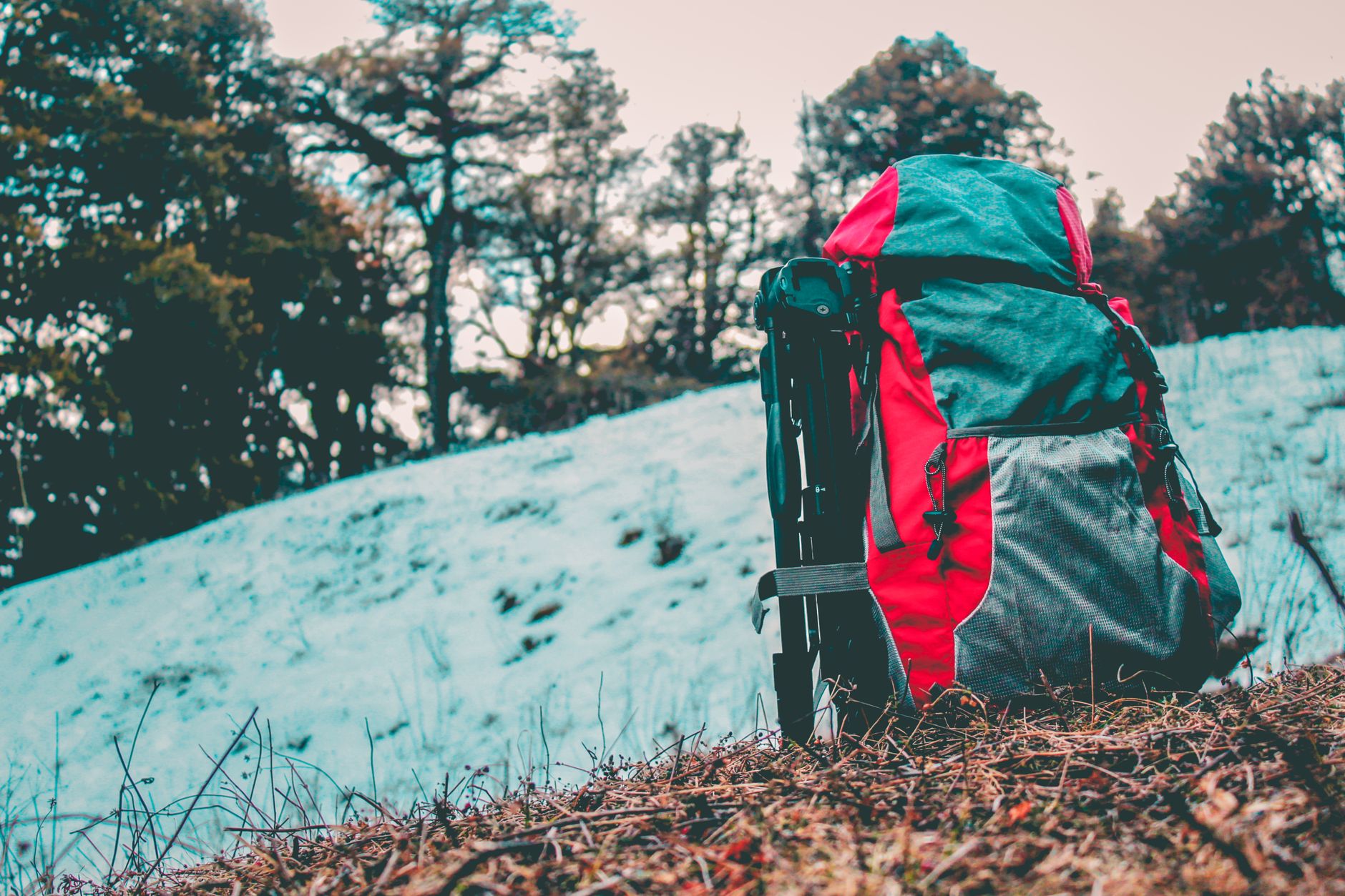
Hiking in the Himalayas requires specialized gear to ensure safety and comfort in the harsh mountain environment. The unpredictable weather and challenging terrain demand equipment that can withstand extreme conditions. Essential gear includes high-quality hiking boots, layered clothing for varying temperatures, and a reliable backpack to carry all necessary supplies.
In addition to basic hiking gear, adventurers should equip themselves with technical climbing equipment if they plan to tackle more challenging routes. This includes items such as crampons, ice axes, and climbing harnesses. These tools are crucial for navigating icy slopes and steep ascents, providing the necessary grip and support to prevent accidents.
Safety gear is equally important, with items such as helmets, first-aid kits, and GPS devices being indispensable. A portable water filtration system is also recommended, as clean water sources can be scarce at high altitudes. Proper preparation and the right gear can make the difference between a successful expedition and a dangerous situation.
- Invest in high-quality, waterproof hiking boots.
- Pack layered clothing to adapt to changing weather.
- Carry a portable water filtration system.
Safety Tips for High-Altitude Adventures
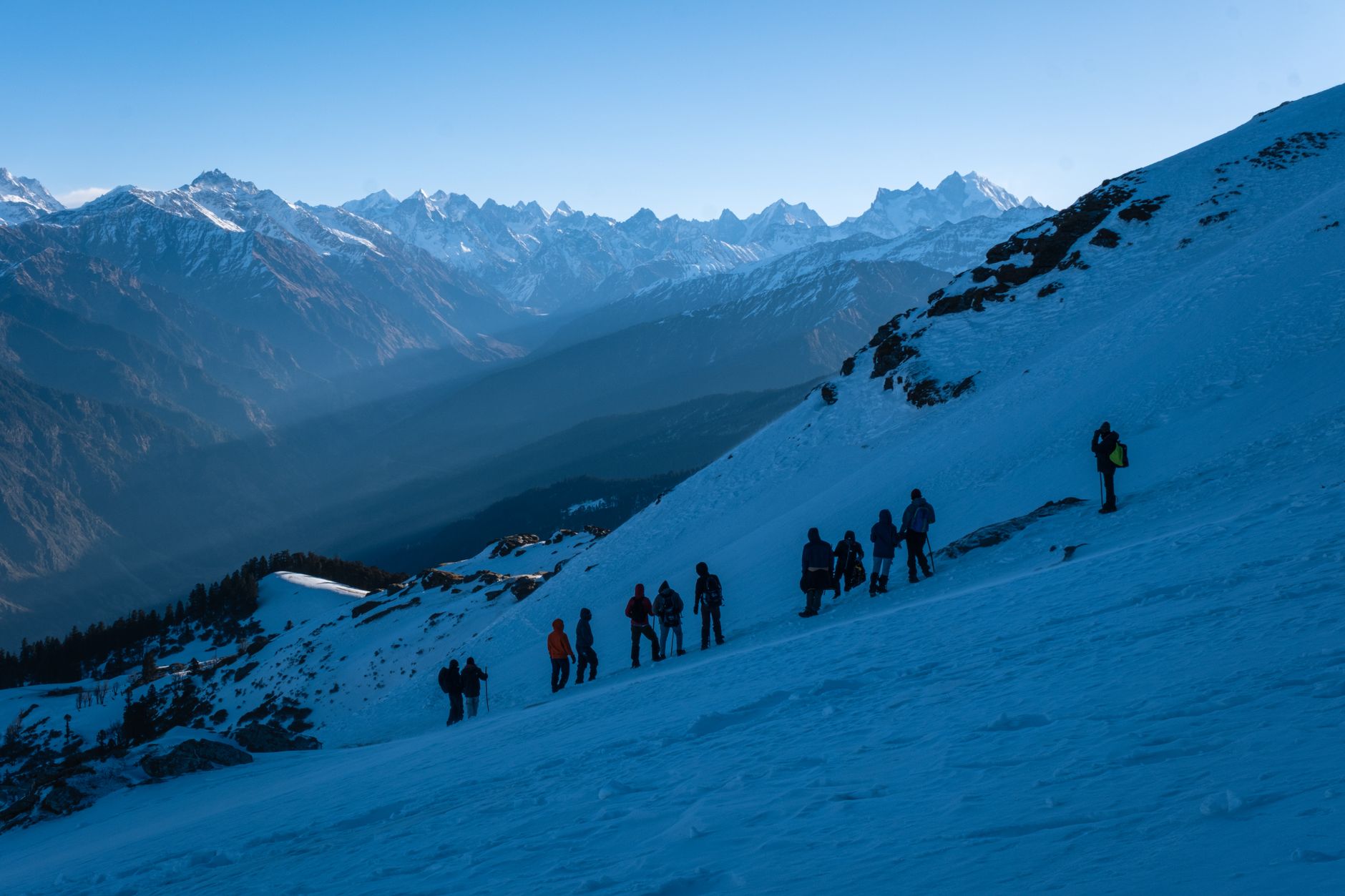
Safety is paramount when embarking on high-altitude adventures in the Himalayas. The risk of altitude sickness is a significant concern, as the air becomes thinner and oxygen levels decrease with elevation. It is crucial to ascend gradually, allowing your body time to acclimatize to the changing conditions.
Hikers should be aware of the symptoms of altitude sickness, which include headaches, nausea, and dizziness. If these symptoms occur, it is important to descend to a lower altitude immediately. Carrying medication such as acetazolamide can help alleviate symptoms, but prevention through proper acclimatization is the best strategy.
Weather conditions in the Himalayas can change rapidly, with sudden storms and temperature drops posing additional risks. Always check the weather forecast before setting out and be prepared to alter your plans if necessary. Having a well-thought-out emergency plan and knowing the location of the nearest shelters can be lifesaving in adverse conditions.
- Ascend gradually to allow for acclimatization.
- Recognize and respond to symptoms of altitude sickness.
- Monitor weather conditions and adjust plans accordingly.
Understanding the Challenges of Himalayan Hiking
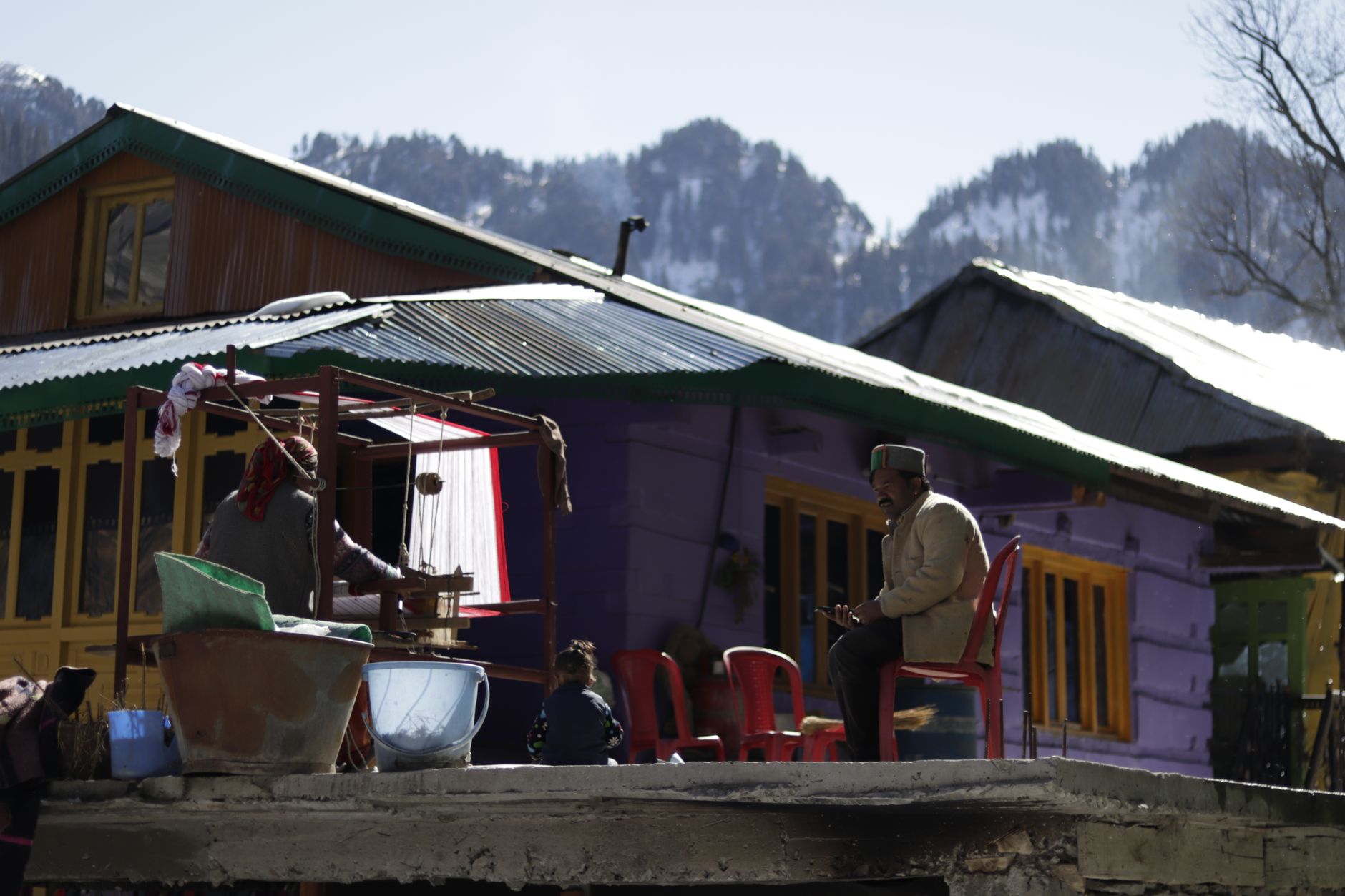
Hiking in the Himalayas presents unique challenges that require careful planning and preparation. The rugged terrain, characterized by steep inclines and rocky paths, demands physical endurance and mental resilience. Hikers must be prepared for long days of trekking, often in remote areas far from immediate assistance.
The high altitudes of the Himalayas pose additional challenges, as the reduced oxygen levels can affect physical performance and increase the risk of altitude sickness. Proper acclimatization is essential, with rest days built into the itinerary to allow the body to adjust. Hydration and nutrition are also critical, as the body’s energy demands increase at higher elevations.
Navigating the Himalayas requires not only physical fitness but also navigational skills. Many of the new peaks are located in remote areas with limited signage and established trails. Using GPS devices and maps is essential, and hiring experienced local guides can provide valuable insights and enhance safety.
- Build physical endurance through regular training.
- Incorporate rest days into your hiking itinerary.
- Hire experienced local guides for remote areas.
Acclimatization: Preparing for High Altitudes
Acclimatization is a critical aspect of preparing for high-altitude hiking in the Himalayas. The process involves allowing the body to gradually adjust to lower oxygen levels, reducing the risk of altitude sickness. This can be achieved by ascending slowly and incorporating rest days into the hiking schedule.
Staying hydrated is essential during acclimatization, as dehydration can exacerbate the symptoms of altitude sickness. Hikers should aim to drink plenty of fluids and avoid alcohol, which can impede the acclimatization process. A balanced diet rich in carbohydrates can also help maintain energy levels and support the body’s adaptation to high altitudes.
Monitoring your body’s response to altitude is crucial. Using a pulse oximeter to measure oxygen saturation levels can provide valuable information about how well your body is adapting. If symptoms of altitude sickness occur, it is important to descend to a lower altitude and seek medical attention if necessary.
- Ascend slowly and incorporate rest days.
- Stay hydrated and avoid alcohol.
- Use a pulse oximeter to monitor oxygen levels.
Exploring New Routes and Trails
The exploration of new routes and trails in the Himalayas offers an exciting opportunity for adventure travelers. These routes, often less crowded than established paths, provide a sense of discovery and the chance to experience the untouched beauty of the region. However, they also require careful planning and preparation to ensure safety.
Mapping out these new routes involves using advanced technology such as GPS and satellite imagery to identify viable paths. Hikers should be prepared for the possibility of encountering unmarked trails and should carry detailed maps and navigation tools. Engaging with local communities can also provide valuable insights into the terrain and potential hazards.
As more hikers seek to explore the new peaks of the Himalayas, it is important to prioritize sustainable practices. This includes minimizing environmental impact by sticking to designated trails, avoiding littering, and respecting local wildlife. By doing so, adventurers can help preserve the natural beauty of these new routes for future generations.
- Use GPS and satellite imagery for route planning.
- Engage with local communities for insights.
- Practice sustainable hiking to protect the environment.
Local Culture and Etiquette in the Himalayas
Understanding and respecting local culture and etiquette is an important aspect of hiking in the Himalayas. The region is home to diverse communities with rich cultural traditions and practices. Hikers should take the time to learn about the customs and beliefs of the local people, showing respect and appreciation for their way of life.
When visiting villages and interacting with locals, it is important to dress modestly and behave respectfully. Simple gestures, such as greeting people with a smile and learning a few basic phrases in the local language, can go a long way in building positive relationships. Additionally, respecting religious sites and practices is crucial, as many areas in the Himalayas hold spiritual significance.
As the new peaks of the Himalayas draw more visitors, it is essential to contribute positively to the local economy. Supporting local businesses, hiring local guides, and purchasing handmade crafts can help sustain communities and preserve their cultural heritage. By doing so, hikers can ensure that their presence benefits the region and its people.
- Learn about local customs and traditions.
- Dress modestly and behave respectfully.
- Support local businesses and hire local guides.