
Exploring the Andes: Adventure Hiking in Peru’s Sacred Valley in 2026
Adventure Hiking in Peru’s Sacred Valley offers a unique blend of breathtaking landscapes and rich cultural heritage. Known for its stunning vistas and historical significance, the Sacred Valley is a prime destination for those seeking both adventure and a deep connection with Peru’s ancient past.
Introduction to the Sacred Valley
Nestled between Cusco and Machu Picchu, the Sacred Valley of the Incas is a region steeped in history and natural beauty. The valley, carved by the Urubamba River, is renowned for its fertile lands and was once the heart of the Inca Empire. Today, it serves as a gateway to some of the most iconic hiking trails in Peru, drawing adventure travelers from around the globe.
The Sacred Valley’s elevation ranges from 2,000 to 3,000 meters, offering diverse ecosystems and microclimates. This variation provides hikers with a unique opportunity to experience different landscapes, from lush agricultural terraces to arid highlands. The valley’s strategic location also makes it a perfect base for exploring nearby archaeological sites and traditional Andean villages.
For adventure enthusiasts, the Sacred Valley is more than just a scenic backdrop. It is a place where history and nature intertwine, offering a profound sense of connection to the land and its people. Whether you’re trekking ancient Inca paths or exploring hidden ruins, the valley promises an unforgettable journey into the heart of Peru’s cultural and natural heritage.
- Explore the diverse ecosystems and microclimates of the Sacred Valley.
- Visit traditional Andean villages to experience local culture.
- Use the Sacred Valley as a base for exploring nearby archaeological sites.

Top Hiking Trails in the Sacred Valley
The Sacred Valley is home to some of the most renowned hiking trails in Peru, each offering its own unique challenges and rewards. The Inca Trail is perhaps the most famous, leading hikers through stunning mountain scenery and ancient ruins to the iconic Machu Picchu. This trail requires a permit and is best booked months in advance due to its popularity.
For those seeking less crowded paths, the Lares Trek offers an alternative route through remote Andean villages and breathtaking landscapes. This trail provides a more intimate experience with local communities and is known for its natural hot springs and stunning vistas. Another notable trail is the Salkantay Trek, which takes hikers through diverse terrains, from cloud forests to snow-capped peaks.
Each trail in the Sacred Valley offers a unique perspective on the region’s natural beauty and cultural heritage. Whether you’re trekking the classic Inca Trail or exploring lesser-known routes, the valley’s trails promise an adventure that combines physical challenge with spiritual enrichment.
- Book permits for the Inca Trail well in advance.
- Consider the Lares Trek for a less crowded experience.
- Explore the Salkantay Trek for diverse landscapes.
Handy Tool: To make your next trip seamless, secure, and stress-free, use our recommended platform below:
Cultural Sites Along the Trails
Hiking in the Sacred Valley is not just about the physical journey; it’s also an exploration of Peru’s rich cultural tapestry. The valley is dotted with archaeological sites that offer a glimpse into the lives of the ancient Incas. Ollantaytambo, with its impressive terraced fortress, is a must-visit site that showcases the engineering prowess of the Inca civilization.
Pisac is another significant site, known for its extensive agricultural terraces and vibrant market. The ruins here provide insight into the Inca’s advanced agricultural techniques and their deep connection to the land. Meanwhile, the Moray archaeological site, with its unique circular terraces, is believed to have been an agricultural laboratory used by the Incas.
These cultural sites are integral to the hiking experience in the Sacred Valley, offering a deeper understanding of the Inca Empire’s legacy. As you traverse the trails, you’ll encounter these historical landmarks, each telling a story of innovation, spirituality, and resilience.
- Visit Ollantaytambo for its impressive Inca fortress.
- Explore Pisac for its agricultural terraces and local market.
- Discover Moray’s unique circular terraces.

Preparing for High-Altitude Hiking
Hiking in the Sacred Valley presents unique challenges due to its high altitude. Proper acclimatization is crucial to avoid altitude sickness, which can affect even the most experienced hikers. It’s recommended to spend a few days in Cusco or the Sacred Valley before embarking on long treks to allow your body to adjust to the elevation.
Hydration is key when hiking at high altitudes. The dry mountain air can lead to dehydration, so it’s important to drink plenty of water throughout your hike. Additionally, a diet rich in carbohydrates can help maintain energy levels during strenuous activities. Coca leaves or coca tea, traditional Andean remedies, are also commonly used to alleviate symptoms of altitude sickness.
Physical preparation is equally important. Engage in regular cardiovascular exercises and strength training to build endurance and muscle strength. This preparation will not only enhance your hiking experience but also reduce the risk of injury. By taking these precautions, you can fully enjoy the adventure hiking in Peru’s Sacred Valley.
- Spend a few days acclimatizing in Cusco or the Sacred Valley.
- Stay hydrated and maintain a diet rich in carbohydrates.
- Incorporate cardiovascular and strength training into your preparation.
Best Time to Visit and Weather Considerations
The best time for adventure hiking in Peru’s Sacred Valley is during the dry season, which runs from May to September. During these months, the weather is generally clear and sunny, providing optimal conditions for hiking. The dry season also coincides with peak tourist season, so it’s advisable to book accommodations and permits well in advance.
While the dry season offers the best weather, it’s important to be prepared for temperature fluctuations. Mornings and evenings can be quite chilly, especially at higher elevations, so layering is essential. In contrast, daytime temperatures can be warm, requiring sun protection such as hats and sunscreen.
Outside of the dry season, the Sacred Valley experiences a rainy season from November to March. Trails can become muddy and more challenging to navigate, but the landscape is lush and vibrant. For those willing to brave the rain, this period offers a quieter, more solitary hiking experience.
- Plan your hike during the dry season for optimal weather.
- Book accommodations and permits early due to peak tourist season.
- Prepare for temperature fluctuations with appropriate clothing.
Permits and Regulations for Hiking
Permits are a crucial consideration for those planning to hike in the Sacred Valley, particularly for the Inca Trail. Due to its popularity, the Inca Trail has a daily limit on the number of hikers allowed, and permits often sell out months in advance. It’s essential to plan ahead and secure your permit through a licensed tour operator.
Other trails in the Sacred Valley, such as the Lares and Salkantay Treks, do not require permits, making them more accessible options for spontaneous travelers. However, it’s still advisable to book guided tours to ensure safety and enhance your experience with knowledgeable guides.
Regulations are in place to preserve the natural and cultural heritage of the Sacred Valley. Hikers are encouraged to follow Leave No Trace principles, respecting the environment and local communities. By adhering to these guidelines, you contribute to the sustainable preservation of this unique region.
- Secure Inca Trail permits well in advance through a licensed operator.
- Consider permit-free trails like Lares and Salkantay for flexibility.
- Follow Leave No Trace principles to protect the environment.
Essential Gear and Packing Tips
Packing the right gear is essential for a successful hiking trip in the Sacred Valley. A sturdy pair of hiking boots with good ankle support is crucial for navigating uneven terrain. Additionally, a comfortable backpack with a hydration system will keep you hydrated and allow you to carry essentials like snacks, a first-aid kit, and extra layers.
Clothing should be versatile and suitable for varying weather conditions. Lightweight, moisture-wicking fabrics are ideal for daytime hikes, while warm layers are necessary for cooler mornings and evenings. A waterproof jacket is also recommended, especially if you’re hiking during the shoulder seasons when rain is more likely.
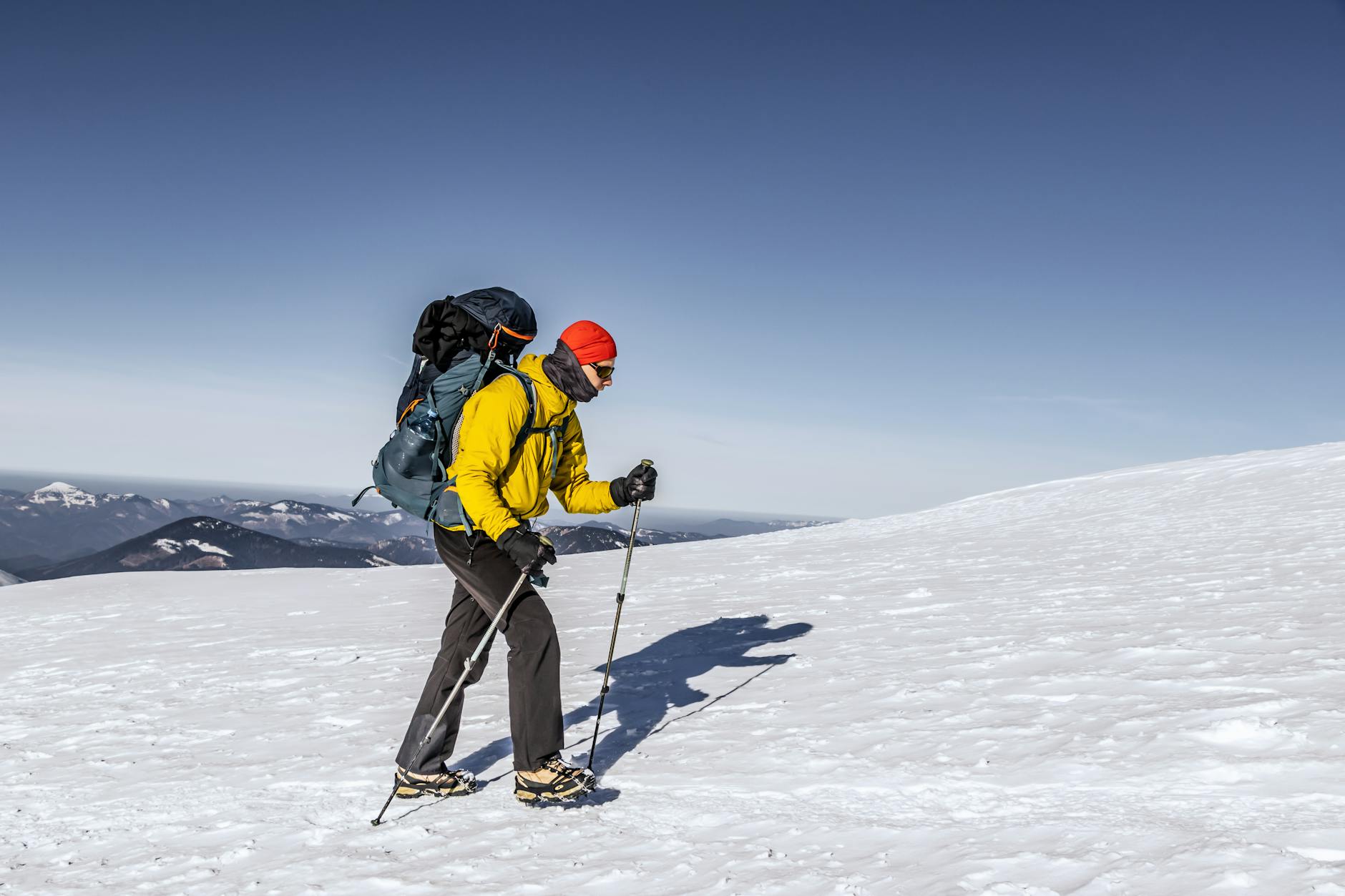
Don’t forget essential accessories such as a hat, sunglasses, and sunscreen to protect against the sun’s intense rays at high altitudes. Trekking poles can also be beneficial for maintaining balance on steep or uneven trails. With the right gear, you’ll be well-prepared to enjoy adventure hiking in Peru’s Sacred Valley.
- Invest in sturdy hiking boots with good ankle support.
- Pack versatile clothing for varying weather conditions.
- Include essential accessories like a hat, sunglasses, and sunscreen.