
Culinary Travel in 2026: Savoring Street Food Delights in Vietnam
Vietnam street food 2026 promises a vibrant and diverse culinary experience, reflecting the country’s rich culinary heritage and playing a vital role in daily Vietnamese life. Street food in Vietnam is not just about eating; it’s a cultural experience that offers insight into the country’s history and traditions. From bustling markets to quiet alleys, street food is a testament to Vietnam’s dynamic and flavorful cuisine.
Introduction to Vietnamese Street Food Culture
Vietnamese street food culture is a tapestry woven from the country’s diverse regional cuisines and rich history. Street food stalls are ubiquitous in Vietnam, offering a wide array of dishes that reflect the nation’s culinary diversity. These stalls are often family-run, with recipes passed down through generations, ensuring authenticity and tradition in every bite.
Street food is an integral part of Vietnamese daily life, serving as a communal dining experience that brings people together. It is common to see locals and tourists alike gathered around small plastic stools, enjoying a quick meal while engaging in lively conversations. This communal aspect of street food highlights its role not only as a source of sustenance but also as a social and cultural activity.
The affordability and accessibility of street food make it a staple for many Vietnamese people. Street vendors offer a variety of dishes at a fraction of the cost of restaurant meals, making it possible for everyone to enjoy the rich flavors of Vietnamese cuisine. This accessibility has helped street food maintain its popularity and cultural significance over the years.
- Explore local markets to experience authentic street food.
- Engage with vendors to learn about the history of their dishes.
- Observe the preparation process to appreciate the culinary skills involved.
Must-Try Vietnamese Street Foods in 2026
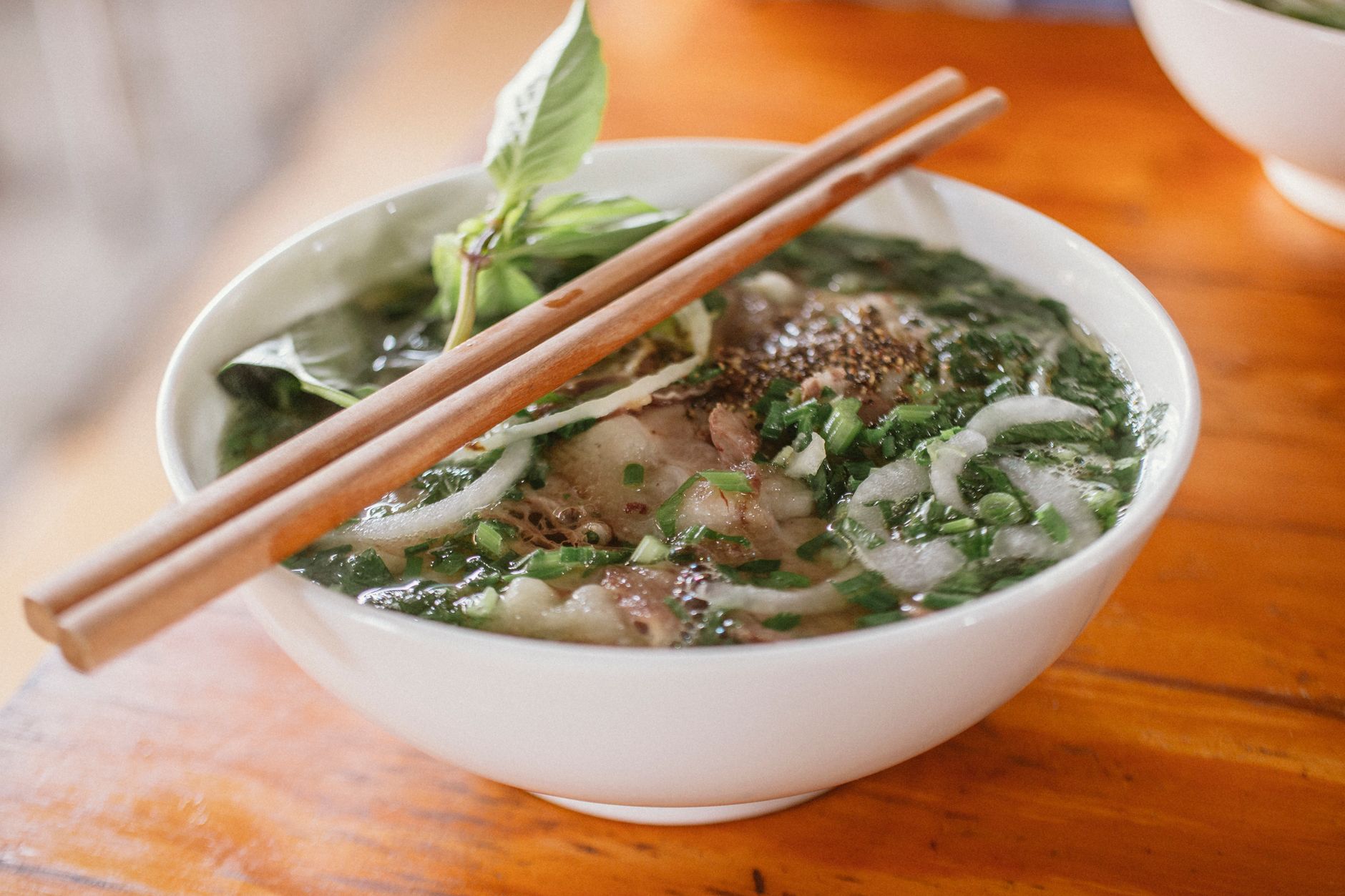
Pho, a quintessential Vietnamese dish, is a must-try for any street food enthusiast. This aromatic noodle soup is typically made with beef or chicken, and its rich broth is simmered for hours with spices such as star anise and cinnamon. Served with fresh herbs, lime, and chili, Pho offers a perfect balance of flavors that is both comforting and invigorating.
Banh Mi, a fusion of French and Vietnamese culinary traditions, is another iconic street food. This sandwich features a crispy baguette filled with a variety of ingredients such as grilled pork, pate, pickled vegetables, and fresh cilantro. The combination of textures and flavors in Banh Mi makes it a delicious and satisfying meal on the go.
Bun Cha, a Hanoi specialty, consists of grilled pork patties served with vermicelli noodles, fresh herbs, and a tangy dipping sauce. The contrast between the smoky, savory pork and the fresh, crisp vegetables creates a harmonious blend of flavors that is both refreshing and hearty.
- Try Pho with different types of meat to experience various flavor profiles.
- Customize your Banh Mi with extra chili for a spicy kick.
- Pair Bun Cha with a local beer for a complete Hanoi experience.

Handy Tool: To make your next trip seamless, secure, and stress-free, use our recommended platform below:
Safety and Hygiene Tips for Enjoying Street Food
Ensuring the safety and hygiene of street food is crucial for a pleasant culinary experience. One of the first things to observe is the cleanliness of the vendor’s stall. A tidy and well-organized stall is often a good indicator of the vendor’s commitment to hygiene. Additionally, look for vendors who use gloves or utensils when handling food to minimize direct contact.
High customer turnover is another positive sign when selecting a street food vendor. Busy stalls indicate that the food is fresh and popular among locals, which is often a testament to its quality and safety. Frequent turnover also means that ingredients are less likely to sit out for extended periods, reducing the risk of foodborne illnesses.
It’s important to be cautious with raw or undercooked foods, especially seafood. Opt for dishes that are cooked to order, as this ensures they are served hot and fresh. Observing how food is stored and prepared can also provide insights into the vendor’s hygiene practices.
- Check for visible cleanliness and organization at the stall.
- Choose vendors with high customer turnover for freshness.
- Avoid raw or undercooked foods to minimize health risks.

Cultural Significance of Street Food in Vietnam
Street food in Vietnam is deeply intertwined with the country’s cultural identity and traditions. It plays a significant role in social gatherings, where people come together to share meals and stories. These gatherings often take place at street food stalls, which serve as informal meeting points for friends and families.
Traditional celebrations and festivals in Vietnam frequently feature street food as a central element. During the Lunar New Year, for example, street vendors offer special dishes that are symbolic of prosperity and good fortune. These culinary traditions are passed down through generations, preserving the cultural heritage of the Vietnamese people.
Street food also reflects the adaptability and resourcefulness of Vietnamese cuisine. Ingredients are often sourced locally and seasonally, showcasing the country’s agricultural diversity. This connection to the land and its produce highlights the sustainable practices that are inherent in Vietnamese cooking.
- Participate in local festivals to experience traditional street foods.
- Learn about the symbolism of dishes during cultural celebrations.
- Support vendors who use locally sourced ingredients.
Best Cities for Street Food Adventures in Vietnam
Hanoi, the capital city of Vietnam, is renowned for its vibrant street food scene. The city’s Old Quarter is a bustling hub of activity, where vendors line the streets offering a wide variety of dishes. From the famous Pho to the lesser-known Bun Rieu, Hanoi’s street food reflects the rich culinary traditions of northern Vietnam.
Ho Chi Minh City, in the south, offers a different but equally exciting street food experience. Known for its bold flavors and diverse influences, the city’s street food scene is a melting pot of culinary styles. Dishes such as Com Tam and Banh Xeo highlight the unique flavors of southern Vietnamese cuisine.
Hue, a city in central Vietnam, is famous for its royal cuisine and delicate flavors. Street food in Hue often features smaller, more refined portions, reflecting the city’s historical ties to the Vietnamese imperial court. Dishes like Bun Bo Hue and Banh Beo are must-tries for those seeking a taste of the region’s culinary heritage.
- Explore Hanoi’s Old Quarter for a diverse street food selection.
- Visit Ho Chi Minh City’s Ben Thanh Market for a culinary adventure.
- Try Hue’s royal-inspired street foods for a unique experience.
How to Choose the Best Street Food Vendors
Choosing the best street food vendors requires a keen eye for quality and authenticity. **Freshness** is a key indicator of a good vendor. Look for stalls that prepare food on the spot, ensuring that dishes are served fresh and hot. This not only enhances the flavor but also reduces the risk of foodborne illnesses.
Popularity among locals is another important factor. Vendors with long lines are often a sign of quality and trust. Locals tend to frequent stalls that offer the best-tasting and most authentic dishes, so following the crowd can lead you to some of the best street food experiences.
Authenticity is crucial for a genuine culinary experience. Seek out vendors who use traditional cooking methods and ingredients. This not only supports local culinary traditions but also provides a more immersive and authentic taste of Vietnamese street food.
- Look for vendors who prepare food fresh to order.
- Follow the locals to popular stalls for quality assurance.
- Choose vendors who use traditional cooking methods.
Street Food Tours and Experiences in Vietnam
Street food tours offer an excellent way to explore Vietnam’s culinary landscape with the guidance of local experts. These tours often include visits to popular street food stalls, markets, and hidden gems that may be difficult to find on your own. Guides provide valuable insights into the history and preparation of each dish, enhancing the overall experience.
Participating in a street food tour allows travelers to sample a wide variety of dishes in a short period, making it an efficient way to experience the diversity of Vietnamese cuisine. Tours are typically designed to cater to different dietary preferences and can be customized to focus on specific regions or types of food.
For those seeking a more immersive experience, some tours offer cooking classes where participants can learn to prepare traditional Vietnamese street food dishes. This hands-on approach not only provides a deeper understanding of the cuisine but also equips travelers with skills to recreate these dishes at home. Vietnam street food 2026 offers a plethora of tours and experiences that cater to all levels of culinary interest.
- Join a guided street food tour for expert insights.
- Opt for tours that include cooking classes for a hands-on experience.
- Choose tours that focus on specific regions for a tailored culinary adventure.