
Cultural Expeditions: A 2026 Guide to Italy’s Renaissance Art Tours
Italy Renaissance art tours offer an unparalleled opportunity to explore the profound impact of the Renaissance period on art and culture. This era, spanning the 14th to the 17th century, marked a pivotal shift in artistic expression, characterized by a renewed interest in classical antiquity and humanism. The Renaissance produced some of the world’s most renowned masterpieces, with Italy at its heart, showcasing the works of legendary artists like Leonardo da Vinci, Michelangelo, and Raphael.
Introduction to Italy’s Renaissance Art
The Renaissance period, originating in Italy, was a time of great cultural change and achievement, marking the transition from the Middle Ages to modernity. This era is renowned for its revolutionary advancements in art, architecture, and literature. Artists like Leonardo da Vinci and Michelangelo exemplified the Renaissance’s emphasis on realism, perspective, and human anatomy, creating works that continue to captivate audiences worldwide.
Florence, often referred to as the cradle of the Renaissance, played a crucial role in the development of this artistic movement. The city was home to influential patrons like the Medici family, who supported artists and intellectuals, fostering an environment where creativity and innovation thrived. This patronage system was instrumental in the production of iconic works that defined the Renaissance.
The impact of the Renaissance extends beyond art, influencing various aspects of European culture and society. The period’s emphasis on humanism and individualism laid the groundwork for modern Western thought. Italy Renaissance art tours allow travelers to immerse themselves in this rich cultural heritage, offering a deeper understanding of the era’s lasting legacy.
- Familiarize yourself with key Renaissance artists and their works.
- Understand the historical context of the Renaissance period.
- Explore the influence of patrons like the Medici family on Renaissance art.
Top Renaissance Art Destinations in Italy
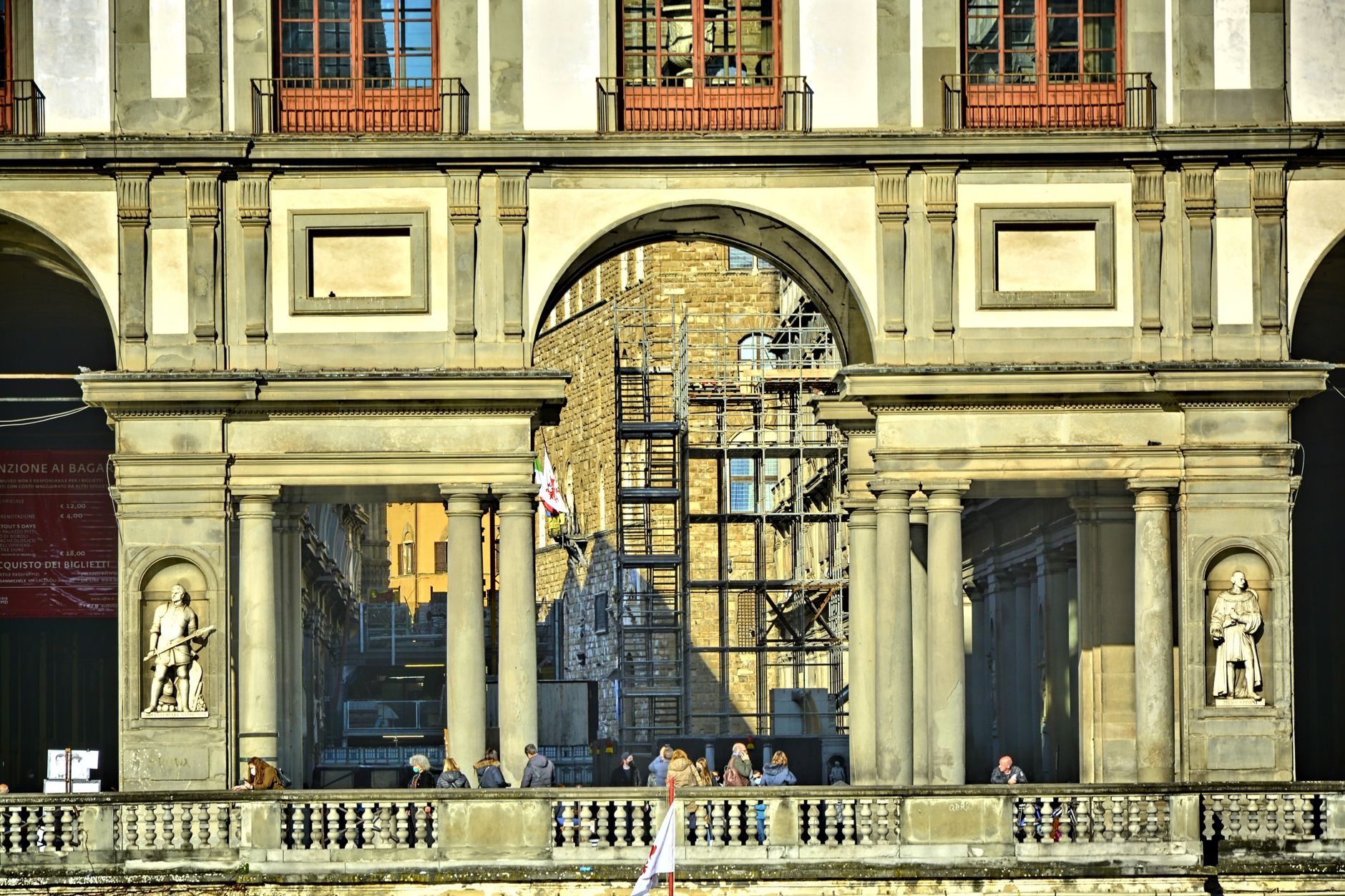
Florence stands as a preeminent destination for Renaissance art enthusiasts, housing an array of masterpieces within its historic walls. The city’s Uffizi Gallery is a treasure trove of Renaissance art, featuring works by Botticelli, Leonardo da Vinci, and Michelangelo. The Florence Cathedral and the Accademia Gallery, home to Michelangelo’s David, are also essential stops for any art lover.
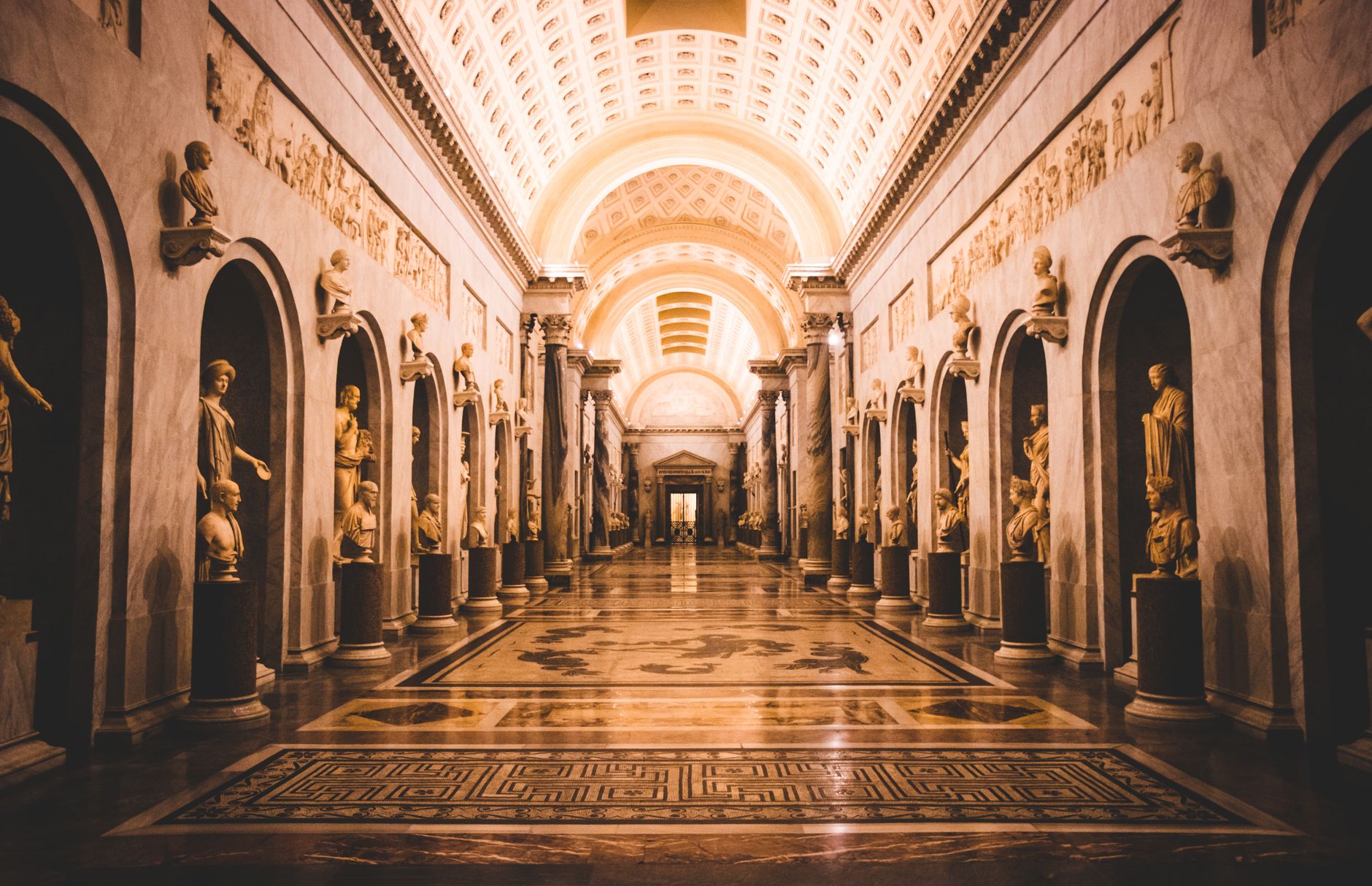
Rome, the eternal city, offers a wealth of Renaissance art and architecture. The Vatican Museums boast an extensive collection, including the Sistine Chapel ceiling painted by Michelangelo. St. Peter’s Basilica, with its stunning Renaissance architecture and art, further exemplifies the grandeur of this period.
Venice, with its unique blend of Eastern and Western influences, provides a distinct perspective on Renaissance art. The city’s Gallerie dell’Accademia showcases works by Venetian masters such as Titian and Tintoretto. The Doge’s Palace and St. Mark’s Basilica also offer insights into the city’s artistic heritage during the Renaissance.
- Visit the Uffizi Gallery in Florence for iconic Renaissance masterpieces.
- Explore the Vatican Museums in Rome to see Michelangelo’s Sistine Chapel.
- Discover Venetian art at the Gallerie dell’Accademia in Venice.
Handy Tool: To make your next trip seamless, secure, and stress-free, use our recommended platform below:
Guided vs. Self-Guided Tours: Pros and Cons
Guided tours offer structured itineraries and expert insights, providing a comprehensive understanding of Renaissance art. These tours often include skip-the-line access to popular attractions, allowing for a more efficient and enriched experience. Professional guides can offer historical context and anecdotes that enhance the appreciation of the artworks.
Self-guided tours, on the other hand, provide flexibility and the freedom to explore at one’s own pace. Travelers can tailor their itinerary to focus on specific interests and spend more time at sites that captivate them. However, self-guided tours require thorough research and planning to ensure a fulfilling experience.
Ultimately, the choice between guided and self-guided tours depends on personal preferences and travel goals. Guided tours are ideal for those seeking in-depth knowledge and convenience, while self-guided tours suit independent travelers who prefer a personalized journey. Both options offer unique advantages in experiencing Italy’s Renaissance art.
- Consider guided tours for expert insights and convenience.
- Opt for self-guided tours for flexibility and personalized itineraries.
- Research and plan thoroughly if choosing a self-guided tour.

Must-Visit Museums and Galleries
The Uffizi Gallery in Florence is a must-visit for any Renaissance art tour, housing an unparalleled collection of works by masters such as Botticelli, Leonardo da Vinci, and Raphael. The gallery’s extensive collection provides a comprehensive overview of the artistic achievements of the Renaissance period.
The Vatican Museums in Rome are another essential stop, offering a vast array of art and historical artifacts. The highlight is undoubtedly the Sistine Chapel, where Michelangelo’s iconic ceiling frescoes depict scenes from the Book of Genesis. The Raphael Rooms, adorned with frescoes by Raphael, are also a testament to the artistic brilliance of the Renaissance.
In Venice, the Gallerie dell’Accademia showcases the works of Venetian masters, providing a unique perspective on the Renaissance’s influence in the region. The museum’s collection includes masterpieces by Titian, Tintoretto, and Veronese, illustrating the distinctive style and themes of Venetian Renaissance art.
- Explore the Uffizi Gallery for a comprehensive Renaissance art collection.
- Visit the Vatican Museums to see Michelangelo’s Sistine Chapel.
- Discover Venetian art at the Gallerie dell’Accademia.
Tips for Booking and Planning Your Tour
Booking tours in advance is crucial, especially during peak tourist seasons, to secure access to popular sites and avoid long wait times. Many museums and galleries offer online ticketing options, allowing travelers to plan their visits efficiently.
Consider purchasing combination tickets or city passes that provide access to multiple attractions at a discounted rate. These passes often include skip-the-line privileges, enhancing the overall experience by reducing time spent in queues.
When planning your itinerary, allocate sufficient time for each site to fully appreciate the art and history. Research opening hours and any special exhibitions or events that may coincide with your visit. Flexibility in your schedule can also accommodate any unexpected opportunities or changes.
- Book tickets in advance to avoid long wait times.
- Consider combination tickets or city passes for savings.
- Allocate ample time for each site to enhance your experience.
Understanding the Historical Significance of Renaissance Art
The Renaissance marked a profound shift in European art, characterized by a renewed interest in classical antiquity and humanism. This period saw the development of techniques such as linear perspective, chiaroscuro, and anatomical accuracy, which revolutionized artistic expression and set the foundation for modern art.
Renaissance art reflects the cultural and intellectual currents of its time, emphasizing themes of humanism, individualism, and secularism. Artists sought to capture the beauty and complexity of the natural world, portraying human figures with unprecedented realism and emotion.
The legacy of the Renaissance continues to influence contemporary art and culture, with its principles of balance, proportion, and harmony remaining central to artistic practice. Italy Renaissance art tours provide an opportunity to explore this rich heritage and understand the enduring impact of the Renaissance on the world of art.
- Study the techniques developed during the Renaissance, such as linear perspective.
- Explore the themes of humanism and individualism in Renaissance art.
- Understand the lasting impact of the Renaissance on modern art.
Exploring Beyond the Major Cities
While Florence, Rome, and Venice are renowned for their Renaissance art, Italy offers a wealth of lesser-known destinations that provide unique artistic experiences. Cities like Siena, Mantua, and Urbino boast significant Renaissance heritage, with stunning architecture and art that rival their more famous counterparts.
Siena’s historic center, a UNESCO World Heritage site, is home to the magnificent Siena Cathedral, featuring works by Donatello and Pisano. Mantua, another UNESCO site, offers the Palazzo Te and the Ducal Palace, showcasing frescoes by Mantegna and other Renaissance artists.
Urbino, the birthplace of Raphael, is a hidden gem for art enthusiasts. The city’s Palazzo Ducale houses the National Gallery of the Marche, which includes works by Raphael and other Renaissance masters. Exploring these destinations provides a deeper understanding of the regional diversity and richness of Renaissance art in Italy.
- Visit Siena for its stunning cathedral and Renaissance art.
- Explore Mantua’s Palazzo Te and Ducal Palace for unique frescoes.
- Discover Urbino, Raphael’s birthplace, for a rich artistic heritage.
Practical Travel Tips for Art Enthusiasts
When embarking on Italy Renaissance art tours, consider practical travel tips to enhance your experience. Pack comfortable shoes for walking through historic city centers and museums, as many sites require extensive exploration on foot. A portable charger and a good camera are essential for capturing the beauty of the art and architecture.
Research local customs and etiquette, especially when visiting religious sites or participating in guided tours. Understanding cultural norms can enrich your interactions and ensure a respectful experience. Additionally, learning a few basic Italian phrases can be helpful in navigating your travels.
To make the most of your art tour, consider using a travel app or guidebook to organize your itinerary and access detailed information about each site. These resources can provide valuable insights and enhance your appreciation of the art and history. Italy Renaissance art tours offer a unique opportunity to immerse yourself in the cultural heritage of one of the world’s most influential artistic periods.
- Pack comfortable shoes for extensive walking tours.
- Learn basic Italian phrases for easier navigation.
- Use a travel app or guidebook for detailed site information.