
Sailing into the Future: Eco-Friendly Cruises in the Caribbean for 2026
Eco-Friendly Cruises in the Caribbean are transforming the travel industry by prioritizing sustainability and reducing environmental impact. As the demand for responsible tourism grows, cruise lines are adopting innovative practices to protect the Caribbean’s delicate ecosystems while offering unforgettable experiences.
Introduction to Eco-Friendly Cruising
Eco-friendly cruising is a rapidly expanding sector within the travel industry, driven by increasing awareness of environmental issues and consumer demand for sustainable travel options. The Caribbean, with its rich biodiversity and fragile ecosystems, has become a focal point for these initiatives. Cruise lines are implementing measures to minimize their carbon footprint, reduce waste, and protect marine life, ensuring that the natural beauty of the region is preserved for future generations.
The concept of eco-friendly cruising encompasses a range of practices aimed at reducing the environmental impact of cruise ships. These include the use of cleaner fuels, advanced waste management systems, and energy-efficient technologies. By adopting these practices, cruise lines not only contribute to the preservation of the environment but also appeal to eco-conscious travelers seeking guilt-free vacation options.
In the Caribbean, eco-friendly cruises are particularly significant due to the region’s reliance on tourism and the vulnerability of its ecosystems. The adoption of sustainable practices by cruise lines operating in this area is crucial for maintaining the health of coral reefs, marine life, and coastal communities. As more travelers prioritize sustainability, the demand for eco-friendly cruises in the Caribbean continues to grow, encouraging further innovation and investment in green technologies.
- Choose cruises that use cleaner fuels like LNG.
- Look for ships with advanced waste management systems.
- Opt for itineraries that support local conservation efforts.
The Importance of Sustainability in the Cruise Industry
Sustainability in the cruise industry is essential for mitigating the environmental impact of large vessels on the world’s oceans and coastal regions. Cruise ships are significant sources of pollution, contributing to greenhouse gas emissions, marine litter, and water contamination. By prioritizing sustainability, the industry can reduce its ecological footprint and help preserve the natural environments it relies on for business.
Many cruise lines are now investing in sustainable technologies and practices to address these challenges. This includes the development of hybrid propulsion systems, the use of shore power to reduce emissions while docked, and the implementation of comprehensive recycling programs. These efforts not only benefit the environment but also enhance the reputation of cruise lines among environmentally conscious consumers.
The Caribbean, as a popular cruise destination, plays a pivotal role in the industry’s sustainability efforts. The region’s unique ecosystems, such as coral reefs and mangroves, are particularly sensitive to environmental changes. Sustainable cruising practices help protect these vital habitats, ensuring that they remain vibrant and healthy for both wildlife and future visitors.
- Support cruise lines with transparent sustainability reports.
- Select cruises that prioritize local community engagement.
- Encourage cruise lines to adopt shore power technology.

Handy Tool: To make your next trip seamless, secure, and stress-free, use our recommended platform below:
Innovative Technologies in Eco-Friendly Cruises
Innovative technologies are at the forefront of the eco-friendly cruise movement, enabling ships to operate more sustainably and efficiently. One of the most significant advancements is the adoption of liquefied natural gas (LNG) as a cleaner alternative to traditional marine fuels. LNG significantly reduces emissions of sulfur oxides, nitrogen oxides, and particulate matter, contributing to improved air quality and reduced environmental impact.
Another critical innovation is the development of advanced wastewater treatment systems. These systems treat sewage and gray water to a high standard before discharge, minimizing the risk of water pollution and protecting marine ecosystems. Additionally, many cruise lines are investing in energy-efficient lighting, heating, and cooling systems to reduce overall energy consumption on board.
The integration of renewable energy sources, such as solar panels and wind turbines, is also gaining traction in the cruise industry. These technologies provide supplementary power, reducing reliance on fossil fuels and further decreasing the carbon footprint of cruise ships. As technology continues to evolve, the potential for even greater sustainability in cruising is vast, promising a more eco-friendly future for the industry.
- Look for cruises using LNG-powered ships.
- Choose ships with advanced wastewater treatment systems.
- Support cruise lines investing in renewable energy sources.
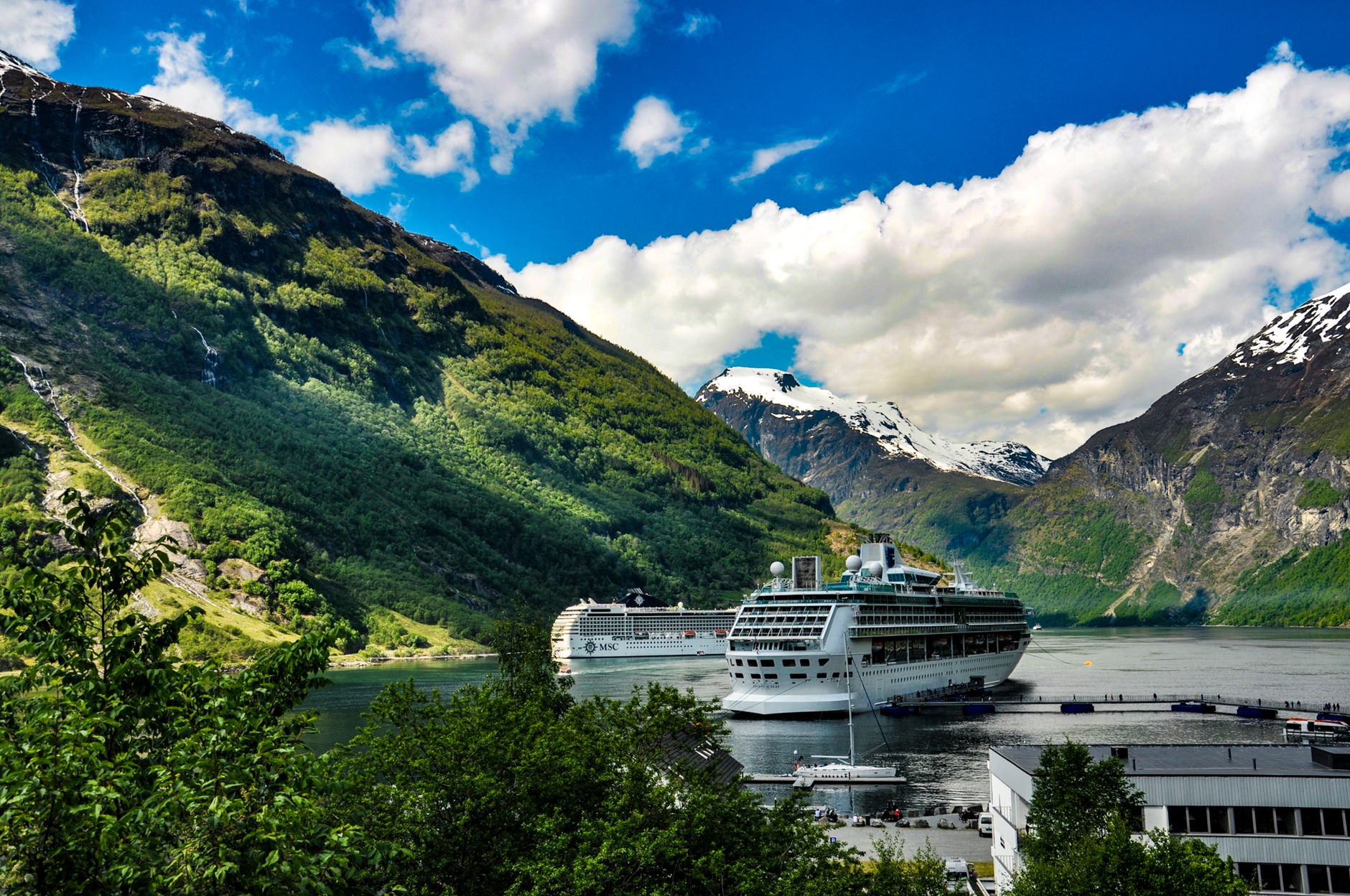
Top Eco-Friendly Cruise Lines in the Caribbean
Several cruise lines have emerged as leaders in eco-friendly cruising, particularly in the Caribbean. These companies are setting new standards for sustainability by implementing innovative practices and technologies. Among them, Norwegian Cruise Line stands out for its commitment to reducing emissions through the use of hybrid exhaust gas cleaning systems and energy-efficient ship designs.
Royal Caribbean International is another frontrunner, known for its comprehensive sustainability initiatives. The company has invested heavily in advanced waste management systems and has pledged to achieve net-zero emissions by 2050. Its Symphony of the Seas ship, for example, incorporates state-of-the-art technology to minimize environmental impact while offering luxury experiences.
MSC Cruises has also made significant strides in eco-friendly cruising, with a focus on reducing plastic waste and improving energy efficiency. The company’s MSC Grandiosa ship features cutting-edge environmental technology, including a selective catalytic reduction system and a state-of-the-art wastewater treatment plant. These efforts demonstrate the cruise line’s dedication to sustainability and its role in promoting eco-friendly tourism in the Caribbean.
- Research cruise lines’ sustainability certifications.
- Choose cruise lines with a clear environmental policy.
- Support companies investing in net-zero emission goals.
Future Trends in Sustainable Cruising
The future of sustainable cruising is poised for significant advancements as the industry continues to innovate and adapt to environmental challenges. One of the most promising trends is the development of zero-emission ships, powered by hydrogen fuel cells or fully electric systems. These vessels have the potential to revolutionize the industry by eliminating greenhouse gas emissions and reducing reliance on fossil fuels.
Another emerging trend is the integration of smart technology on board cruise ships. This includes the use of data analytics and artificial intelligence to optimize energy use, improve waste management, and enhance overall operational efficiency. By leveraging technology, cruise lines can further reduce their environmental impact and provide more sustainable travel experiences.
Sustainable tourism practices are also expected to become more prevalent, with cruise lines focusing on responsible shore excursions and partnerships with local communities. This approach not only supports the preservation of cultural and natural heritage but also promotes economic development in the Caribbean. As these trends gain momentum, eco-friendly cruises in the Caribbean will continue to evolve, offering travelers more sustainable and enriching experiences.
- Stay informed about new zero-emission ship launches.
- Support cruise lines using smart technology for efficiency.
- Choose itineraries that prioritize sustainable tourism practices.
How to Choose an Eco-Friendly Cruise
Selecting an eco-friendly cruise requires careful consideration of various factors, including the cruise line’s sustainability practices, the environmental impact of the ship, and the destinations visited. Start by researching the cruise line’s environmental policies and initiatives. Look for companies that are transparent about their sustainability efforts and have received certifications from reputable environmental organizations.
Consider the ship’s environmental technology and design. Opt for vessels that use cleaner fuels, have advanced waste management systems, and incorporate energy-efficient technologies. These features indicate a commitment to reducing the ship’s ecological footprint and protecting the marine environment.
Finally, evaluate the cruise itinerary and shore excursions. Choose routes that minimize environmental impact and support local conservation efforts. Look for excursions that promote cultural and natural heritage preservation, and engage with local communities in a respectful and sustainable manner. By making informed choices, travelers can enjoy eco-friendly cruises in the Caribbean while contributing to the preservation of its unique ecosystems.
- Research cruise lines’ environmental certifications.
- Choose ships with energy-efficient technologies.
- Select itineraries that support local conservation efforts.
The Impact of Eco-Friendly Cruises on the Caribbean Environment
Eco-friendly cruises have a profound impact on the Caribbean environment by promoting sustainable tourism practices and reducing the ecological footprint of cruise ships. By adopting cleaner fuels and energy-efficient technologies, cruise lines significantly decrease emissions and pollution, contributing to improved air and water quality in the region.
The implementation of advanced waste management systems on eco-friendly cruises helps protect marine ecosystems by minimizing the discharge of harmful substances into the ocean. This is particularly important in the Caribbean, where vibrant coral reefs and diverse marine life are integral to the region’s natural beauty and biodiversity.
Furthermore, eco-friendly cruises in the Caribbean support local conservation efforts and promote sustainable economic development. By engaging with local communities and prioritizing responsible tourism practices, these cruises help preserve cultural and natural heritage while providing economic benefits to the region. As the popularity of eco-friendly cruises in the Caribbean continues to rise, their positive impact on the environment and local communities will only grow, ensuring a more sustainable future for the industry.
- Support cruises that engage in local conservation projects.
- Choose itineraries that minimize environmental impact.
- Encourage cruise lines to adopt sustainable tourism practices.