
Shopping in 2026: The Ultimate Souvenir Hunt in Morocco’s Markets
Souvenir shopping in Morocco offers a unique experience in the country’s vibrant markets, known as souks, where a plethora of goods await the discerning traveler. These bustling hubs are not just places to buy items but are cultural experiences that reflect Morocco’s rich heritage and craftsmanship. From the intricate designs of Moroccan rugs to the aromatic allure of argan oil, each item tells a story of tradition and artistry. Understanding the nuances of these markets is essential for any traveler aiming to bring home a piece of Morocco’s soul.
Exploring Morocco’s Vibrant Souks
Morocco’s souks are a sensory overload, offering a kaleidoscope of colors, sounds, and scents. These markets are integral to Moroccan culture, serving as both commercial hubs and social gathering places. Each city boasts its own unique souks, with Marrakech’s Jemaa el-Fnaa being the most famous. Here, the air is filled with the aroma of spices, and the stalls are brimming with textiles, ceramics, and jewelry. The souks are labyrinthine, with narrow alleyways that twist and turn, creating a maze that invites exploration.
The souks are not just about shopping; they are about experiencing the heartbeat of Moroccan life. Vendors call out to passersby, eager to showcase their wares, while musicians and performers add to the lively atmosphere. It’s a place where tradition meets commerce, and every purchase is a negotiation steeped in cultural exchange. The vibrant energy of the souks is infectious, drawing visitors into a world where time seems to stand still.
Navigating these bustling markets requires a sense of adventure and a willingness to engage with the local culture. It’s important to approach the souks with an open mind and a readiness to haggle. Bargaining is not just accepted but expected, and it can be a fun part of the shopping experience. Understanding the cultural significance of the souks enhances the appreciation of the items purchased, making each souvenir a cherished memory.
- Visit souks early in the morning to avoid crowds.
- Learn basic Arabic phrases to communicate with vendors.
- Carry cash as many vendors do not accept cards.

Top Souvenirs to Buy in Morocco
Moroccan rugs are among the most sought-after souvenirs, known for their intricate patterns and vibrant colors. These handcrafted pieces are made by skilled artisans, each rug telling a story through its unique design. Whether it’s a Berber rug with geometric motifs or a more contemporary style, these textiles are a testament to Morocco’s rich weaving traditions.
Ceramics are another popular choice, with Fez being renowned for its blue and white pottery. These items range from decorative plates to functional tagines, each piece meticulously hand-painted. The craftsmanship involved in creating these ceramics is evident in their detailed designs, making them a perfect addition to any home.
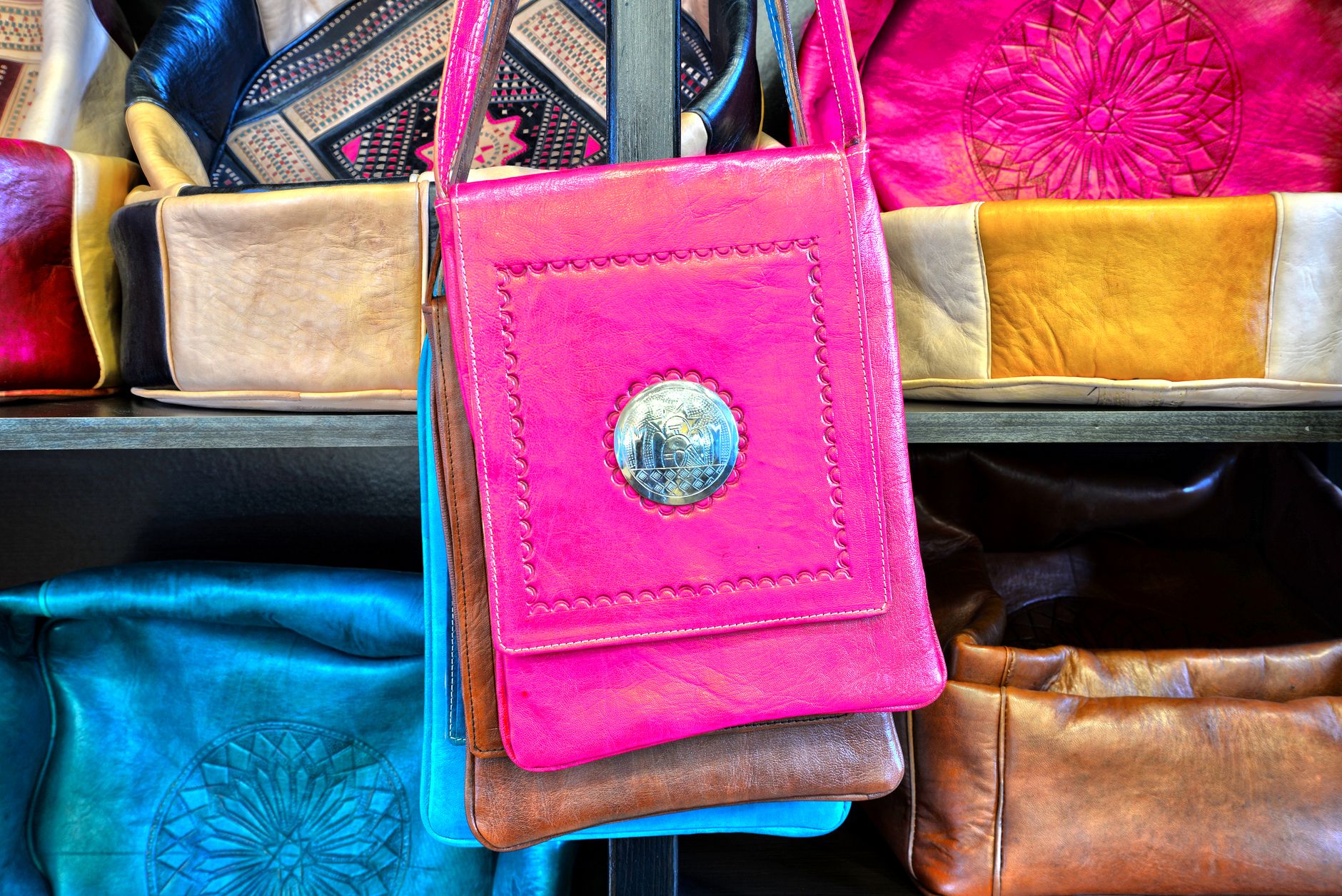
Leather goods, particularly those from Marrakech, are also highly prized. The tanneries in the city produce high-quality leather products, from bags to jackets, using traditional methods that have been passed down through generations. Argan oil, often referred to as ‘liquid gold,’ is another must-buy, known for its cosmetic and culinary uses. Sourced from the argan trees endemic to Morocco, this oil is a staple in Moroccan households.
- Inspect rugs for quality and authenticity.
- Choose ceramics with intricate hand-painted designs.
- Opt for leather goods made from high-quality materials.

Handy Tool: To make your next trip seamless, secure, and stress-free, use our recommended platform below:
Bargaining Tips for Moroccan Markets
Bargaining is an essential skill when shopping in Moroccan markets. It’s a cultural practice that involves negotiation and is expected by vendors. To start, it’s important to have a general idea of the item’s value. Researching prices beforehand can provide a baseline for negotiations. When a vendor quotes a price, it’s customary to offer a counter-offer at half the initial price and work from there.
Maintaining a friendly demeanor is crucial during bargaining. Vendors appreciate a respectful approach, and building rapport can lead to better deals. It’s important to remain patient and not rush the process. Often, vendors will offer tea as a gesture of hospitality, which can be a good opportunity to engage in conversation and learn more about the item you’re interested in.
Knowing when to walk away is also a key part of bargaining. If a vendor is unwilling to meet your price, politely thank them and move on. Often, this will prompt them to reconsider and offer a better deal. Remember, bargaining is not just about getting the lowest price but also about enjoying the experience and understanding the cultural nuances involved.
- Research typical prices for items before visiting the market.
- Start bargaining at half the vendor’s initial price.
- Be prepared to walk away if the price isn’t right.
Best Markets in Marrakech, Fez, and Casablanca
Marrakech is home to some of the most famous markets in Morocco, with the Jemaa el-Fnaa being a must-visit. This market is a UNESCO World Heritage site and offers a wide range of goods, from spices to textiles. The surrounding souks are equally vibrant, with specialized areas for leather, metalwork, and more. Each section of the market has its own unique charm, making it a shopper’s paradise.
Fez is known for its ancient medina, which houses one of the largest car-free urban areas in the world. The souks here are famous for their traditional crafts, particularly ceramics and leather goods. The tanneries in Fez are a popular attraction, where visitors can witness the traditional process of leather production. The markets in Fez offer a more traditional shopping experience, with a focus on authentic Moroccan craftsmanship.
Casablanca, while more modern, still offers a rich shopping experience. The Habous district is a great place to find traditional Moroccan goods, with a mix of old and new. The markets here are less crowded than those in Marrakech and Fez, providing a more relaxed shopping environment. Each city offers a unique perspective on Moroccan markets, making them all worth a visit for those interested in souvenir shopping in Morocco.
- Explore Jemaa el-Fnaa for a vibrant shopping experience.
- Visit Fez’s tanneries for authentic leather goods.
- Discover the Habous district in Casablanca for a mix of traditional and modern items.
Ensuring Authenticity in Your Purchases
Authenticity is a key concern for travelers looking to purchase souvenirs in Morocco. With the abundance of goods available, it’s important to distinguish between genuine items and mass-produced imitations. One way to ensure authenticity is by purchasing directly from artisans or reputable shops. Many artisans are proud of their work and are happy to explain the process and materials used in their creations.
Inspecting the quality of the materials is another way to verify authenticity. For example, genuine Moroccan rugs are made from natural fibers and dyes, while authentic ceramics will have intricate hand-painted designs. Leather goods should be soft and supple, indicating high-quality craftsmanship. Understanding these details can help travelers make informed decisions when purchasing souvenirs.
It’s also beneficial to ask for certificates of authenticity, especially for high-value items like rugs and jewelry. Reputable vendors will often provide documentation that verifies the origin and quality of their products. By taking these steps, travelers can ensure that they are bringing home genuine pieces of Moroccan culture.
- Purchase directly from artisans when possible.
- Inspect materials for quality and craftsmanship.
- Request certificates of authenticity for high-value items.
Cultural Etiquette While Shopping
Understanding cultural etiquette is crucial when shopping in Morocco’s markets. Greetings are an important part of Moroccan culture, and it’s customary to greet vendors with a friendly ‘Salam Alaikum’ before beginning any transaction. This simple gesture can set a positive tone for the interaction and is appreciated by locals.
Dress modestly when visiting the souks, as a sign of respect for the local culture. While Morocco is relatively liberal, it’s advisable to cover shoulders and knees, especially in more conservative areas. This consideration shows respect for cultural norms and can lead to more positive interactions with vendors.
It’s also important to respect the local customs around photography. Always ask for permission before taking photos of people or their stalls. Some vendors may be uncomfortable with photography, while others may request a small fee. Being mindful of these cultural nuances can enhance the shopping experience and foster goodwill with the local community.
- Greet vendors with ‘Salam Alaikum’ to show respect.
- Dress modestly to respect local customs.
- Ask for permission before taking photos in the market.
Packing and Transporting Your Souvenirs
Proper packing is essential to ensure that your Moroccan souvenirs arrive home safely. Delicate items like ceramics and glassware should be wrapped in bubble wrap or soft clothing to prevent breakage. It’s advisable to pack these items in your carry-on luggage if possible, as checked baggage can be subject to rough handling.
For larger items such as rugs, consider having them shipped directly to your home. Many vendors offer shipping services and can arrange for your purchase to be professionally packed and sent to your address. This option can save you the hassle of carrying bulky items and ensures they are handled with care.
When packing your suitcase, distribute the weight evenly to avoid exceeding airline weight limits. Use clothing and other soft items to cushion fragile souvenirs. By taking these precautions, you can enjoy your shopping experience without worrying about the safety of your purchases. Souvenir shopping in Morocco is a memorable experience, and with careful packing, you can preserve the memories of your trip for years to come.
- Wrap fragile items in bubble wrap or soft clothing.
- Consider shipping large items directly to your home.
- Distribute weight evenly in your suitcase to avoid damage.