
Travel Insurance Essentials: Navigating Safety in a Post-Pandemic World
Travel insurance post-pandemic has become an indispensable component of travel planning, ensuring that travelers are protected against unforeseen medical expenses, trip cancellations, and other disruptions. As global travel resumes, understanding the nuances of travel insurance is essential for navigating the complexities of the current travel landscape.
Understanding the Importance of Travel Insurance Post-Pandemic
The COVID-19 pandemic has fundamentally altered the travel industry, making travel insurance more critical than ever. With the potential for sudden health crises and travel disruptions, insurance provides a safety net that can prevent financial ruin. The pandemic highlighted the unpredictability of global travel, underscoring the need for comprehensive coverage that addresses both medical emergencies and trip cancellations.
Travel insurance post-pandemic is not just about covering medical expenses; it also includes protection against trip interruptions and cancellations. Many travelers experienced significant losses due to non-refundable bookings during the pandemic, emphasizing the importance of having insurance that covers such eventualities. This coverage is particularly crucial for those with pre-existing health conditions or those traveling to regions with fluctuating COVID-19 cases.
Moreover, the inclusion of COVID-19 related coverage in many policies is a direct response to the pandemic’s impact. This coverage can include costs related to quarantine, treatment, and even evacuation if necessary. As travel resumes, understanding these aspects of travel insurance ensures that travelers are not caught off guard by unexpected expenses.
- Ensure your policy covers COVID-19 related issues.
- Look for policies that include trip cancellation and interruption coverage.
- Consider the medical coverage limits and ensure they are adequate.

Key Coverage Areas in Travel Insurance
Travel insurance policies typically cover a range of areas, each crucial for different aspects of travel safety. Medical coverage is perhaps the most important, as it ensures that travelers can access healthcare abroad without incurring prohibitive costs. This includes emergency medical expenses, hospital stays, and sometimes even dental emergencies.
Another essential coverage area is trip cancellation and interruption insurance. This protects travelers from financial losses due to unforeseen events such as illness, natural disasters, or even changes in government travel advisories. Given the volatile nature of global travel post-pandemic, having this coverage can provide peace of mind and financial security.
Baggage and personal belongings coverage is also a critical component, protecting travelers against loss, theft, or damage to their possessions. This is particularly important for those traveling with expensive equipment or valuable items. Additionally, some policies offer coverage for travel delays, which can help cover additional accommodation and meal expenses if a trip is unexpectedly extended.
- Verify the extent of medical coverage provided.
- Ensure trip cancellation and interruption are included.
- Check if baggage and personal belongings are covered.
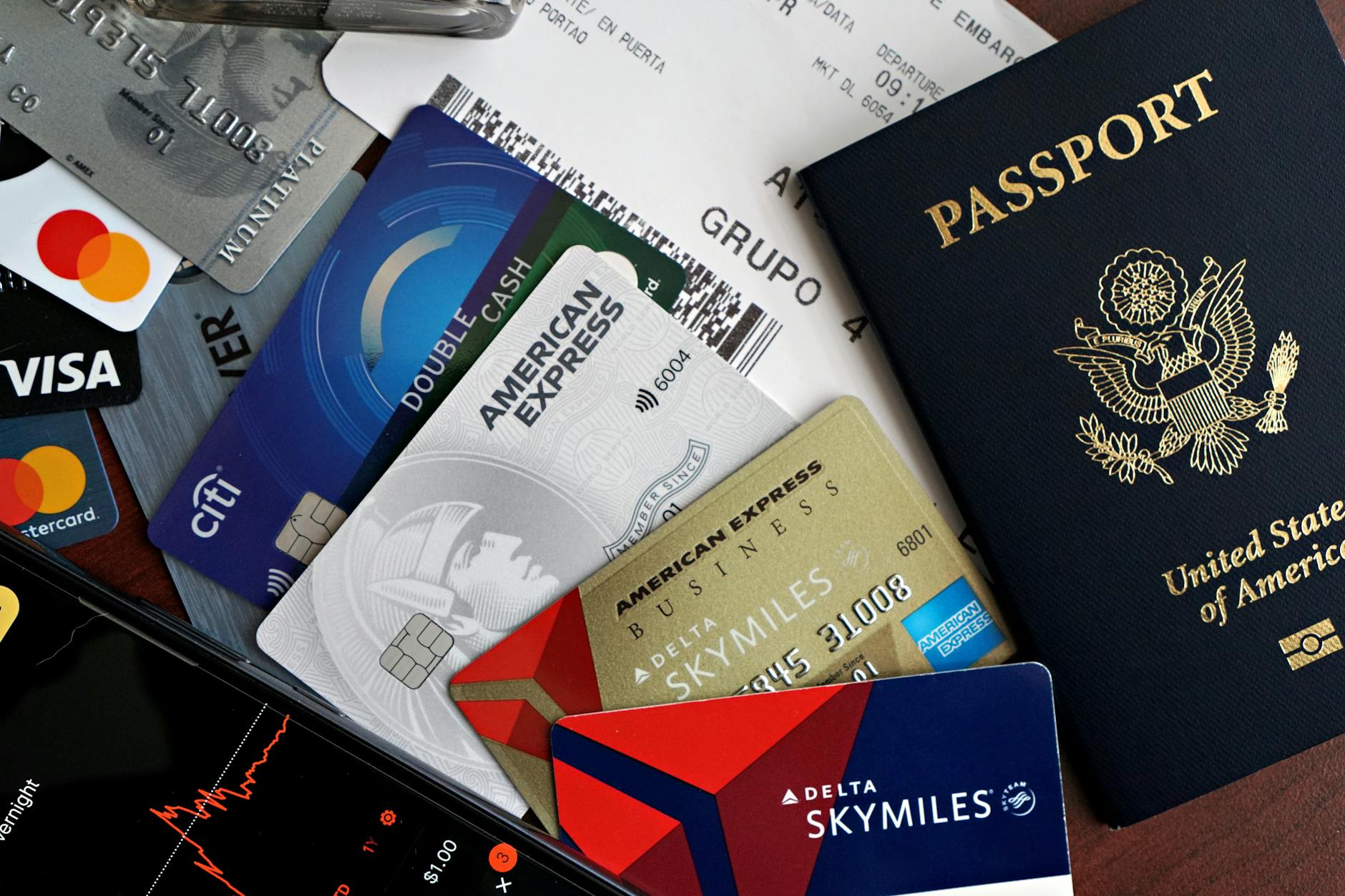
Handy Tool: To make your next trip seamless, secure, and stress-free, use our recommended platform below:
Navigating Changes in Travel Insurance Policies Due to COVID-19
The pandemic has led to significant changes in travel insurance policies, with many insurers adapting their offerings to include COVID-19 specific coverage. This includes coverage for medical treatment if a traveler contracts the virus while abroad, as well as quarantine-related expenses. Understanding these changes is crucial for travelers looking to protect themselves against pandemic-related risks.
Many policies now also cover trip cancellations due to COVID-19, a feature that was not commonly included before the pandemic. This can be particularly beneficial for travelers booking trips in advance, as it provides a safety net if travel restrictions are reintroduced or if a traveler falls ill before departure. However, the specifics of this coverage can vary widely between insurers, making it essential for travelers to read the policy details carefully.
Additionally, some insurers have introduced new policies that specifically address pandemic-related travel disruptions. These policies may offer more comprehensive coverage but can also come at a higher cost. Travelers should weigh the benefits of such policies against their travel plans and personal risk tolerance to determine the best option for their needs.
- Look for policies that include COVID-19 medical coverage.
- Check if quarantine expenses are covered.
- Understand the conditions for trip cancellation coverage.

How to Choose the Right Travel Insurance Policy
Selecting the right travel insurance policy requires careful consideration of several factors, including the nature of the trip, the traveler’s health, and the destinations involved. Travelers should start by assessing their specific needs, such as whether they require coverage for high-risk activities or pre-existing medical conditions. This assessment will guide them in choosing a policy that offers the necessary protections.
Comparing different policies is also crucial, as coverage can vary significantly between insurers. Travelers should pay attention to the coverage limits, exclusions, and the insurer’s reputation for handling claims. Online reviews and ratings can provide insights into the experiences of other travelers, helping to identify reliable insurance providers.
Price is another important factor, but it should not be the sole determinant. A cheaper policy might offer less comprehensive coverage, leaving travelers vulnerable to significant out-of-pocket expenses. Instead, travelers should focus on the value offered by the policy, ensuring it provides adequate protection for the price.
- Assess your travel needs and risks.
- Compare coverage limits and exclusions.
- Consider the insurer’s reputation and claims process.
Common Mistakes to Avoid When Buying Travel Insurance
One common mistake travelers make is purchasing insurance without fully understanding the coverage details. This can lead to unpleasant surprises when a claim is denied due to an exclusion or insufficient coverage. Travelers should thoroughly read the policy documents and clarify any doubts with the insurer before purchasing.
Another mistake is underestimating the importance of medical coverage. Some travelers opt for the cheapest policy available, which may not provide adequate medical protection. Given the high cost of healthcare in many countries, having sufficient medical coverage is essential to avoid financial strain in the event of an emergency.
Failing to declare pre-existing medical conditions is another pitfall. Many policies exclude coverage for conditions that were not disclosed at the time of purchase, which can lead to denied claims. Travelers should be upfront about their health conditions to ensure they receive the necessary coverage.
- Read and understand the policy details thoroughly.
- Ensure adequate medical coverage is included.
- Disclose all pre-existing medical conditions.
The Role of Medical Evacuation Coverage
Medical evacuation coverage is a critical component of travel insurance, particularly for travelers visiting remote or underdeveloped regions. This coverage ensures that in the event of a serious medical emergency, the traveler can be transported to a suitable medical facility, which may be located in another country. The costs associated with medical evacuation can be exorbitant, making this coverage invaluable.
Travelers should be aware that medical evacuation coverage typically includes the cost of transportation by air ambulance or other means, as well as the coordination of care between medical facilities. This can be crucial in situations where local healthcare facilities are unable to provide the necessary level of care.
It’s important to note that the terms of medical evacuation coverage can vary, with some policies requiring pre-approval or specifying certain conditions under which evacuation is covered. Travelers should review these terms carefully to ensure they understand the process and requirements for accessing this coverage in an emergency.
- Check if medical evacuation is included in your policy.
- Understand the conditions and pre-approval requirements.
- Consider the regions you are traveling to and their medical facilities.
Reading the Fine Print: What to Look For
Reading the fine print of a travel insurance policy is essential to fully understand the coverage and limitations. Many travelers overlook this step, leading to misunderstandings about what is covered. Key areas to focus on include exclusions, coverage limits, and the claims process. Understanding these details can prevent disputes and ensure that travelers know what to expect in the event of a claim.
Exclusions are particularly important, as they outline what is not covered by the policy. Common exclusions include certain high-risk activities, pre-existing medical conditions, and travel to regions with government advisories. Travelers should ensure they are comfortable with these exclusions and consider additional coverage if necessary.
The claims process is another critical aspect, as it dictates how claims are submitted and processed. Travelers should be aware of the documentation required and the timelines for submitting claims. Familiarity with this process can facilitate smoother claims handling and quicker reimbursements. By understanding the fine print, travelers can make informed decisions and select a policy that truly meets their needs, especially when considering travel insurance post-pandemic.
- Focus on understanding exclusions and coverage limits.
- Review the claims process and required documentation.
- Ensure the policy meets your specific travel needs.