
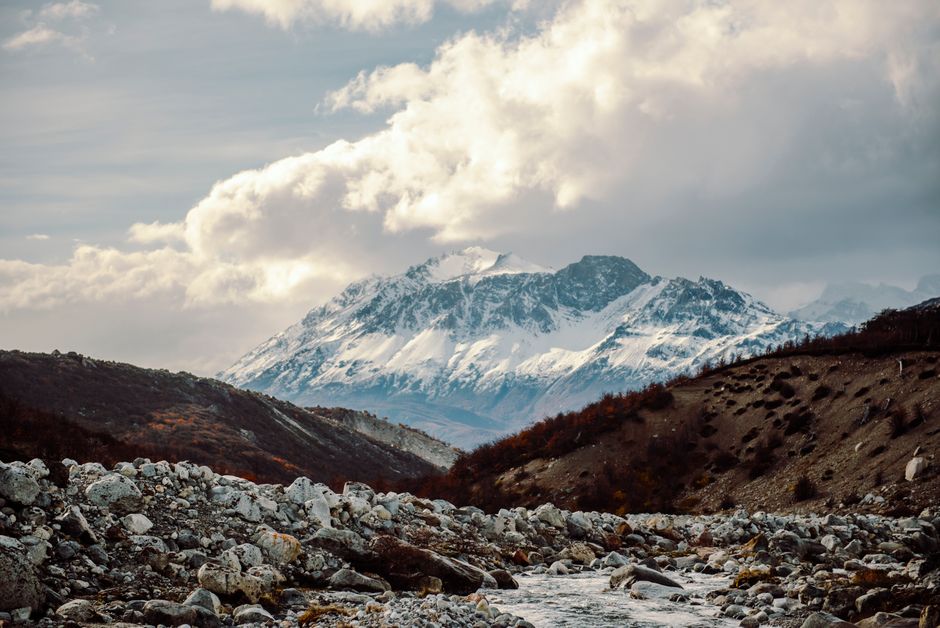
Unlocking Argentina: What Will Your Rental Ride Cost?
Imagine yourself cruising through the vibrant streets of Buenos Aires or embarking on an epic Patagonian adventure! To truly unlock Argentina’s breathtaking landscapes, a rental car is your golden ticket. When planning your journey, you’ll find that an economy car, like a zippy Fiat Cronos or a reliable VW Gol, typically averages between ARS 45,000-60,000 per day in Buenos Aires for a 7-day rental, before insurance.
To ensure your peace of mind and protect your travel budget, always opt for full coverage insurance, often called ‘seguro con franquicia cero.’ This is a non-negotiable part of your Argentina car rental guide, as road conditions can be quite unpredictable outside the major cities, and many credit card insurances simply aren’t enough for local requirements.
You’ll find familiar names like Hertz Argentina, Avis Argentina, Europcar Argentina, and Localiza ready to equip you for your adventure, offering a range of vehicles to suit every explorer’s needs. Remember to compare rates and read the fine print, ensuring your chosen ride perfectly matches your dream itinerary.
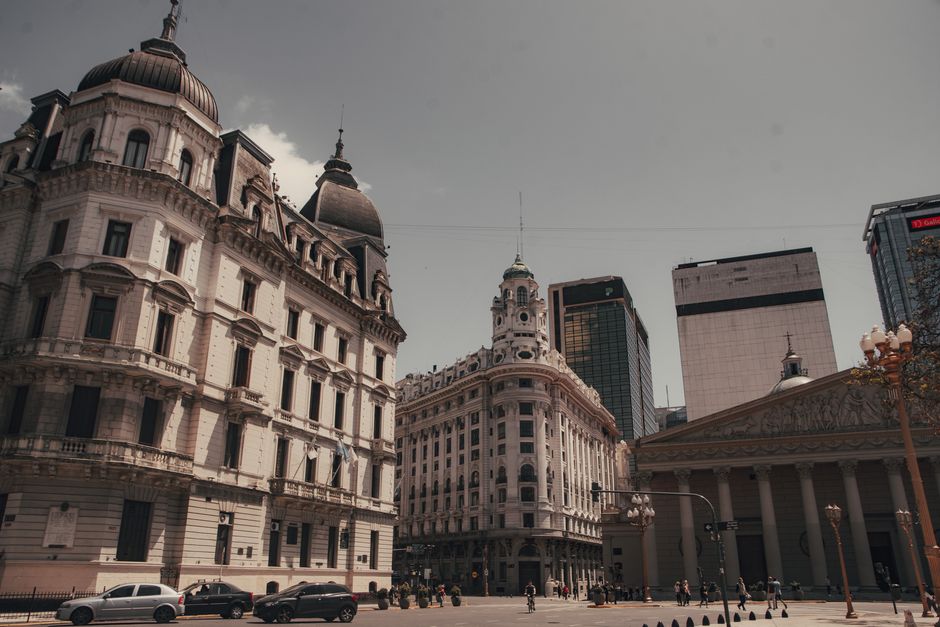
Fueling Your Adventure: Navigating Gas Stations and Prices
Keeping your wheels spinning across Argentina’s vast and stunning terrain is all part of the thrill! As of late 2023, you can expect Super 95 octane gasoline, known locally as Nafta Súper, to cost approximately ARS 900-1000 per liter in Buenos Aires, though prices can shift dynamically as you venture into different regions.
You’ll spot major fuel brands like YPF (Yacimientos Petrolíferos Fiscales) and Axion Energy frequently, especially along the main routes, ensuring you’re never far from a top-up. However, here’s an insider tip for your journey: many smaller gas stations, particularly in the more remote or rural areas, often operate on a cash-only basis.
Always carry a stash of Argentine pesos in small denominations, especially when planning long drives. And for those epic Patagonia road trips, or any venture into truly remote areas, make it a golden rule to refuel every time you see a station; distances between services can be vast, sometimes stretching over 200 km without a single pump in sight!
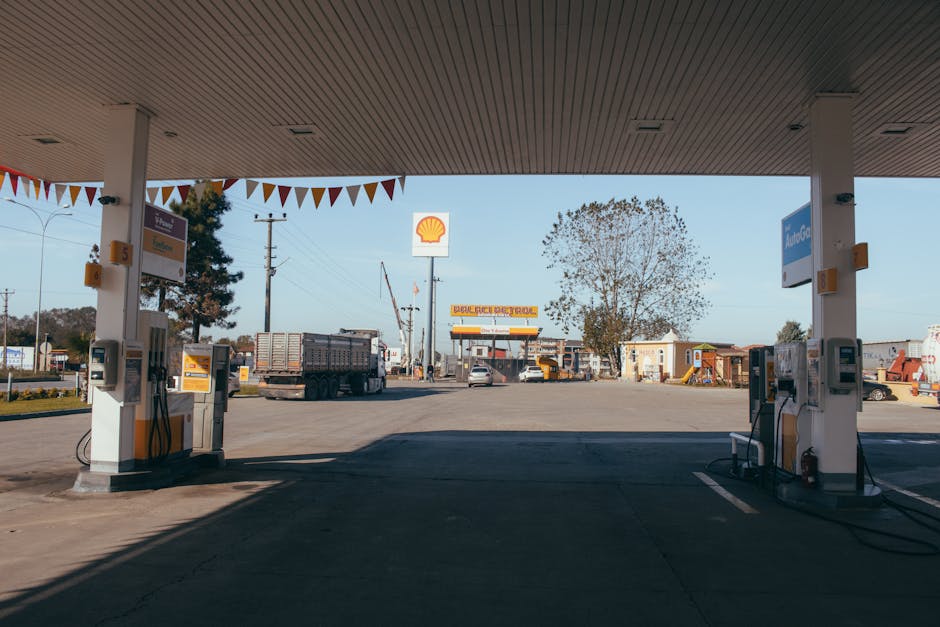
Smooth Sailing: Mastering Argentina’s Roads, Tolls, and Parking
Navigating Argentina’s roads is an exhilarating part of your adventure, and with a few smart moves, you’ll be cruising like a local! For real-time traffic updates and to gracefully avoid unexpected detours or construction, make sure you download the ‘Waze’ app – it’s an absolute lifesaver, especially when tackling the bustling streets of Buenos Aires.
When it comes to tolls on major highways, such as the Autopista 25 de Mayo in Buenos Aires, expect costs ranging from ARS 300-600, varying with the time of day. You can conveniently pay these using a SUBE card or with cash at manned booths, so keep those pesos handy.
Parking in central Buenos Aires areas can be a bit pricier, with private garages often charging ARS 1,500-2,500 per hour. For street parking, you’ll find it metered and easily managed via the ‘BA Estacionamiento’ app or through kiosks, making it surprisingly straightforward to find a spot for your rental ride.
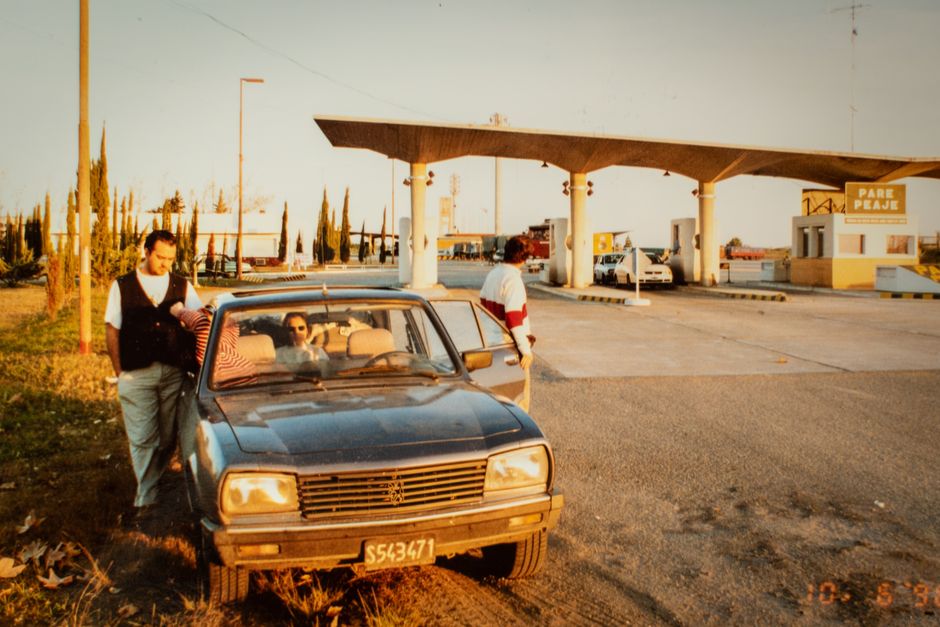
Road Trip Ready: Essential Tips for Driving Across Argentina
Embarking on a road trip across Argentina is an unforgettable experience, offering you unparalleled freedom to explore every hidden gem. This comprehensive Argentina car rental guide wouldn’t be complete without a few crucial driving tips to keep you safe and smiling on the open road.
Always pay attention to speed limits: generally, you’ll find 110 km/h on national routes (Rutas Nacionales), a swift 130 km/h on expressways, and a more relaxed 40-60 km/h in urban areas. These limits are strictly enforced, so keep an eye on the signs!
Whether you’re dreaming of conquering the legendary Ruta 40 (RN40) or simply picking up your vehicle from Aeropuerto Internacional Ministro Pistarini (EZE), remember to always drive defensively. Be prepared for varying road conditions, from perfectly paved highways to gravel paths, especially as you venture into the more remote, incredibly scenic regions of this magnificent country.