
Unpacking Argentina’s Weather Tapestry: A Region-by-Region Guide
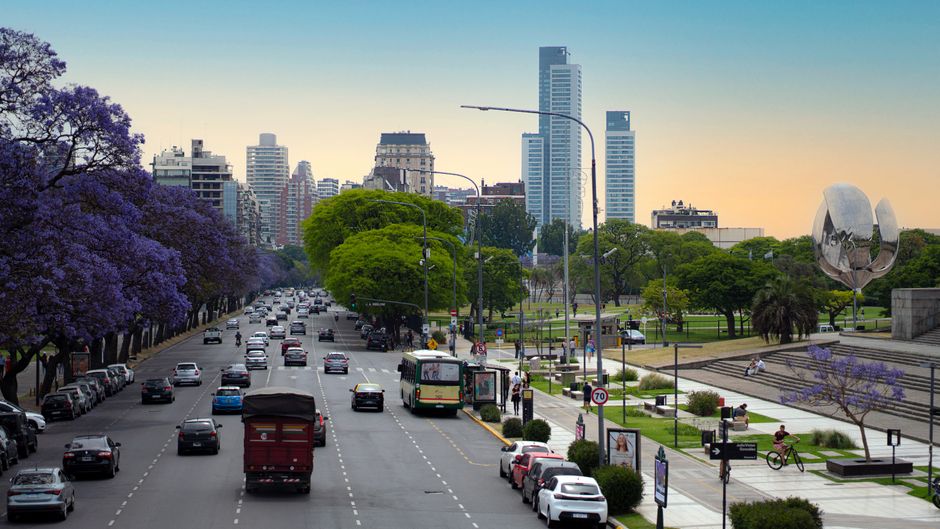
Imagine yourself strolling through the vibrant streets of Buenos Aires, where the temperate climate offers distinct seasons that truly shape your experience. During summer, specifically January, you can expect average temperatures between 24-28°C (75-82°F) with a delightful high humidity, while winter in July brings cooler averages of 8-14°C (46-57°F), perfect for exploring the city’s cafes.
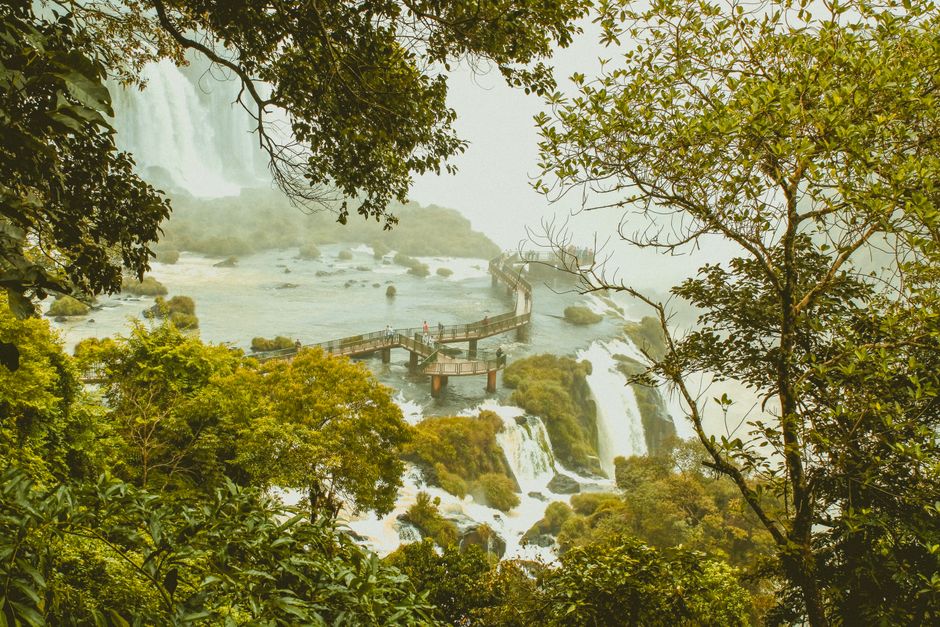
Then, journey north to the breathtaking Iguazú Falls, nestled in a subtropical embrace that promises lush landscapes and powerful cascades. This region sees its heaviest rainfall from December to February, with monthly averages often exceeding 200mm (8 inches), making the waterfalls exceptionally powerful but also very humid, creating a truly immersive jungle atmosphere.
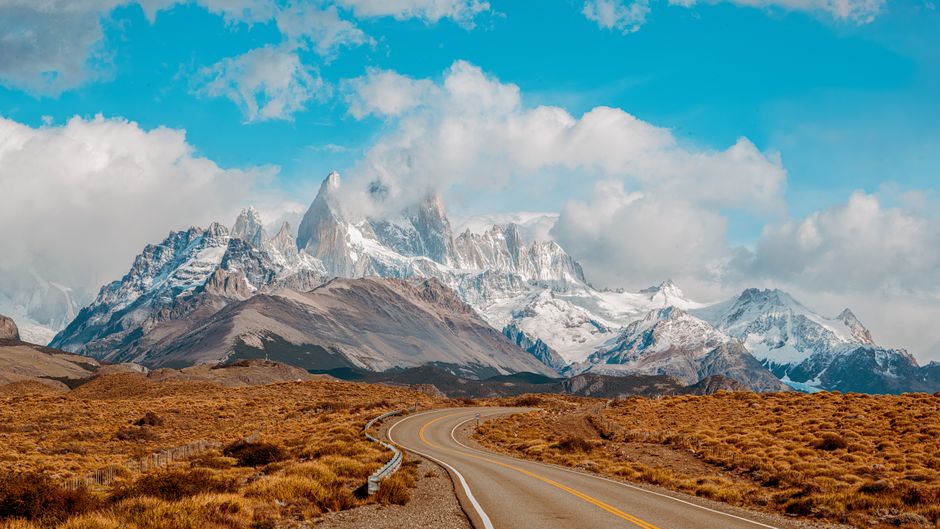
Down south, the wild beauty of Patagonia awaits, boasting a temperate to subpolar climate that is as dramatic as its landscapes. In El Calafate, summer (January) daytime temperatures average a comfortable 10-18°C (50-64°F), though strong winds can make it feel colder, while winter (July) plunges to averages of -2-5°C (28-41°F) with significant, picturesque snowfall.
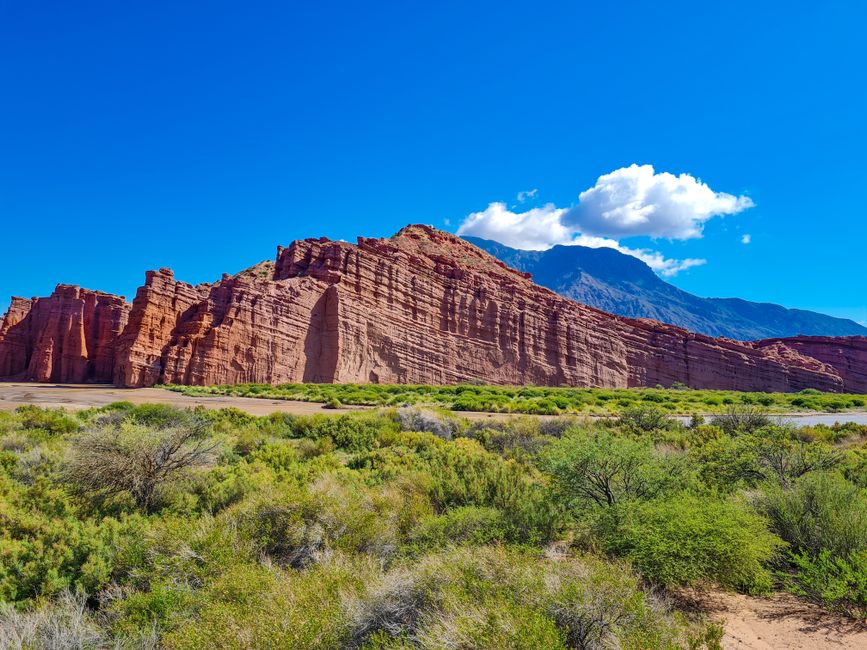
Finally, picture the sun-drenched vineyards of Mendoza, where an arid climate defines your experience with bright, clear skies. Summer (January) temperatures frequently reach a sizzling 30-35°C (86-95°F) with significant diurnal swings that cool the evenings beautifully, while winter (July) averages a mild 2-15°C (36-59°F), often influenced by the hot, dry ‘Zonda’ wind primarily in winter and spring, causing sudden temperature increases. This comprehensive Argentina weather guide truly highlights the country’s incredible climatic range.
When to Wander: Finding Your Perfect Season to Explore Argentina
If you dream of conquering the majestic trails of Patagonia, like those in Los Glaciares National Park near El Chaltén or El Calafate, mark your calendar for November to March. This optimal travel window offers the longest daylight hours and mildest temperatures, creating ideal conditions for hiking and exploring, even with the region’s constant, invigorating winds.
For an unforgettable encounter with the thundering Iguazú Falls, consider visiting between April and October to truly maximize your comfort. This period allows you to avoid the peak humidity and heaviest rains of the summer, which can make exploring less comfortable, though the sheer power of the falls remains an impressive spectacle year-round.
Planning an epic overland journey through the high Andean passes, perhaps connecting to Chile via Paso Los Libertadores, requires careful timing to ensure a smooth adventure. Remember, these passes are typically closed due to heavy snow from May to October, directly impacting overland travel between countries, so consult your Argentina weather guide for the best transit windows.
Mastering the Elements: Essential Packing for Argentina’s Diverse Climates
Given Argentina’s immense north-to-south expanse and its myriad microclimates, the golden rule for packing is simple: embrace layers, my friend. Even if you’re planning a summer trip, especially to Patagonia or the Andes, temperatures can shift dramatically within a single day, so be prepared for anything from crisp mornings to warm afternoons.
Beyond layers, never underestimate the power of the Argentine sun – it’s a force to be reckoned with across this incredible country! Crucial sun protection, including high SPF sunscreen, a wide-brimmed hat, and quality sunglasses, is absolutely essential across all regions and seasons, particularly in the high-altitude Andes and the southern regions where the ozone layer is naturally thinner.
Mountain Majesty & Desert Heat: Conquering Argentina’s Andean Adventures
Venturing into the awe-inspiring Andes Mountains promises unparalleled vistas and exhilarating challenges, but careful planning is key to a seamless adventure. Remember that high Andean passes, such as the iconic Paso Los Libertadores linking Argentina to Chile, are typically closed from May to October due to heavy snowfall, directly impacting your overland travel plans and requiring flexible itineraries.
Down in the Cuyo region, Mendoza offers a unique arid climate where summer (January) temperatures frequently soar to 30-35°C (86-95°F), often accompanied by significant diurnal swings that cool the evenings beautifully. Be prepared for the infamous ‘Zonda’ wind, a hot, dry foehn wind that frequently sweeps through Mendoza and the Cuyo region, primarily in winter and spring, causing sudden and dramatic temperature increases that can surprise you.