
Regions of Germany
Germany’s Federal States: An Overview
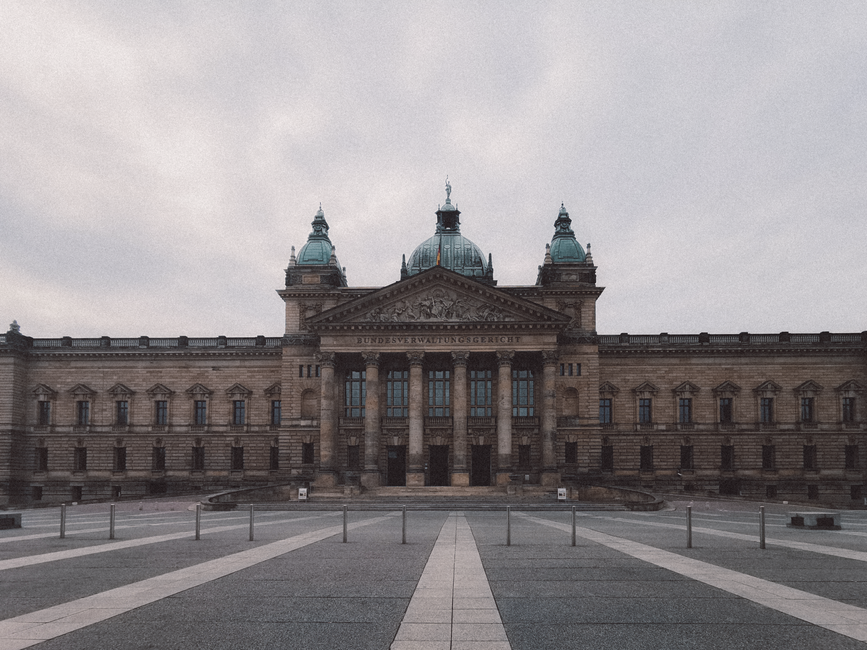
Germany is a nation of remarkable diversity, administratively structured into 16 federal states, known as Bundesländer, each possessing its own distinct cultural identity, legislative powers, and administrative framework. This Germany regions travel guide begins by exploring these fundamental divisions, which are crucial for understanding the country’s varied landscapes and traditions.
Among these states, Bavaria (Bayern) stands out as the largest by area, encompassing a vast 70,550 square kilometers and home to approximately 13.1 million residents, making it the second most populous. In stark contrast, North Rhine-Westphalia (Nordrhein-Westfalen) holds the title for the most populous federal state, boasting an impressive 17.9 million residents, reflecting its dense urban and industrial centers.
On the other end of the spectrum lies Bremen, the smallest federal state, covering a mere 419 square kilometers and with a population of approximately 680,000 residents. This significant variation in size and population across the Bundesländer underscores the rich tapestry of experiences awaiting travelers, from bustling metropolises to serene natural retreats.

Major Regions & What to Expect
As you delve deeper into this Germany regions travel guide, you will discover that each major region offers a unique flavor of German culture and scenery. Bavaria, for instance, captivates visitors with its majestic Bavarian Alps, historic castles, and the world-renowned Romantic Road, offering picturesque towns and stunning landscapes.
North Rhine-Westphalia presents a dynamic blend of industrial heritage and vibrant arts scenes, while Baden-Württemberg enchants with the mystical Black Forest (Schwarzwald), thermal spas, and charming vineyards. Brandenburg, surrounding Berlin, offers tranquil lakes and the unique Spreewald biosphere reserve, perfect for canoeing and relaxation.
Further south, Saxony (Sachsen) boasts baroque cities like Dresden and Leipzig, rich in history and artistic heritage, while the Moselle Valley (Moseltal) is celebrated for its steep vineyards, charming villages, and ancient Roman history, providing a distinct experience for wine enthusiasts and history buffs alike.
Regional & National Transport Options
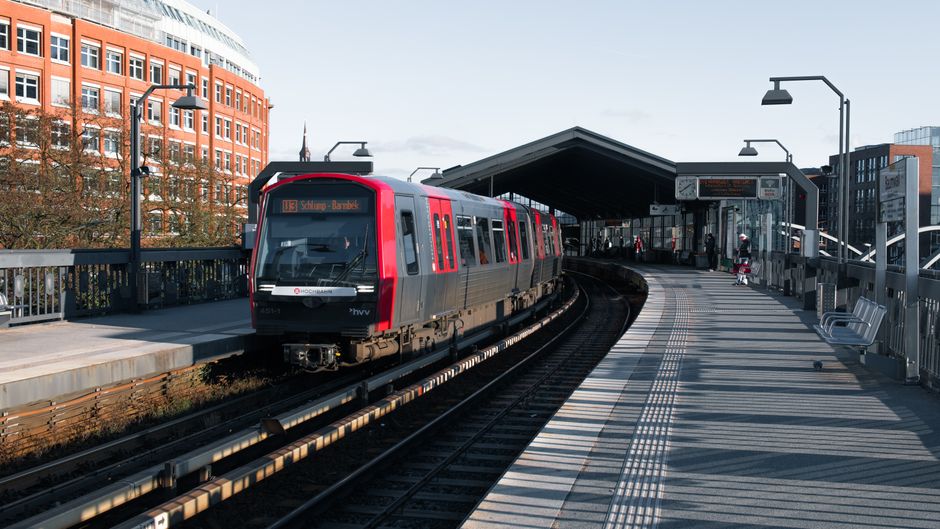
Germany’s public transport network is renowned for its efficiency and extensive coverage, primarily managed by Deutsche Bahn (DB). For long-distance journeys, the high-speed Intercity-Express (ICE) trains connect major regional hubs with remarkable speed; for example, traveling between Berlin in the east and Munich in the south typically takes approximately 4-6 hours, covering a distance of about 600 kilometers.
Beyond the ICE network, regional train services are operated by various companies, including DB Regio, Bayerische Regiobahn (BRB) in Bavaria, and Nahverkehr Schleswig-Holstein (NAH.SH) in the northern state. These regional trains are essential for exploring smaller towns and scenic routes, offering a more localized travel experience.
Buses also complement the train network, particularly in rural areas or for specific intercity connections not covered by rail. Planning your routes effectively often involves combining these different modes of transport to reach your desired destinations efficiently and comfortably across the diverse German landscape.
Smart Ticket Choices: Länderticket & Deutschlandticket
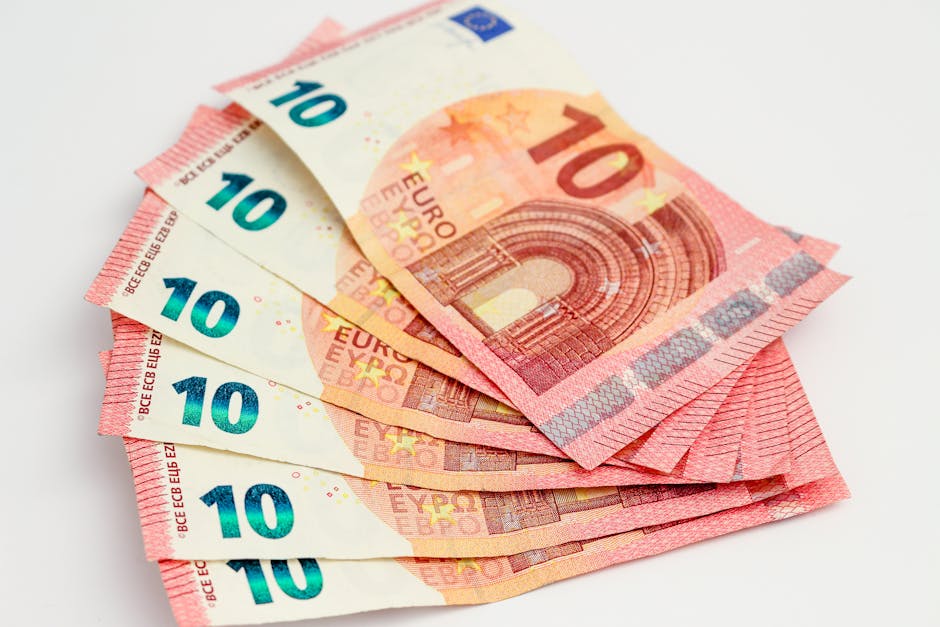
For cost-effective exploration within specific federal states, the ‘Länderticket’ is an invaluable option, offering unlimited travel on all local and regional public transport within a chosen state for one day. This ticket starts from around EUR 25 for a single person, with significant discounts available for groups of up to 5 people, making it an economical choice for day trips with companions.
For more extensive, multi-region travel over a month, the ‘Deutschlandticket,’ also known as the 49-Euro-Ticket, provides unparalleled value. This monthly subscription allows unlimited travel on all local and regional public transport nationwide, including regional trains, S-Bahns, U-Bahns, trams, and buses, though it explicitly excludes long-distance trains such as ICE, IC, and EC services.
It is crucial to remember that the Deutschlandticket is a subscription and requires cancellation if not needed for subsequent months. Utilizing these smart ticket choices, especially the Länderticket for group excursions or the Deutschlandticket for extended regional exploration, can substantially reduce travel costs while maximizing your access to Germany’s diverse regions.
Planning Your Multi-Region German Trip
Successfully navigating a multi-region German trip requires careful planning and leveraging available resources. Begin by consulting national tourism portals like www.germany.travel for an overarching view, then dive into specific regional tourism board websites such as www.bayern.travel for Bavaria or www.nrw-tourismus.de for North Rhine-Westphalia.
These regional sites are treasure troves of insider tips, local event calendars, and unique regional passes that are often overlooked by broader guides. They can provide invaluable information on specific attractions, local transport options, and accommodation tailored to the distinct character of each area.
This comprehensive Germany regions travel guide aims to equip you with the knowledge to craft an unforgettable journey. By strategically combining the Deutschlandticket for extensive regional mobility and researching local offerings, you can seamlessly transition between Germany’s vibrant cities, picturesque countryside, and historic landmarks, ensuring a rich and diverse travel experience.