
Safety And Emergencies in Germany
Emergency Contacts & Key Services
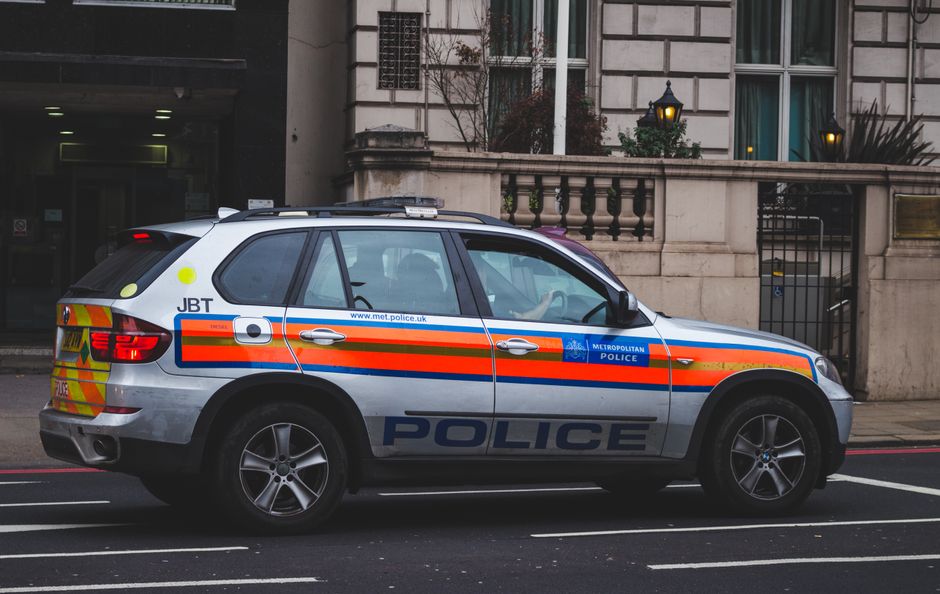
For immediate emergencies in Germany, travelers should be aware of the critical contact numbers. The general emergency number for Police, known as Polizei, is 110, providing direct access to law enforcement across the country. For Fire, or Feuerwehr, and Ambulance, known as Rettungsdienst, the universal emergency number is 112, ensuring rapid response for medical crises and fire incidents.
Beyond life-threatening situations, for non-life-threatening medical issues outside of regular doctor’s hours, individuals can call 116117 to reach an ärztlicher Bereitschaftsdienst, an on-call doctor service that can save significant time compared to visiting an emergency room for minor ailments. Furthermore, enhancing Germany travel safety, the NINA App (Notfall-Informations- und Nachrichten-App) from bbk.bund.de/NINA serves as an official warning app for civil protection, providing crucial alerts during widespread emergencies or natural disasters.

General Safety & Crime Prevention
Germany generally maintains a high standard of public safety, with its crime rate index considered low at 30.15 according to Numbeo in mid-2023, indicating a largely safe environment for visitors. However, maintaining vigilance is crucial for optimal Germany travel safety, especially in bustling tourist areas where petty crime, such as pickpocketing, is most prevalent.
Crowded hotspots like major train stations such as Berlin Hauptbahnhof, iconic attractions like Cologne Cathedral, and large events like Oktoberfest are common targets for opportunistic thieves. When using public transport or navigating these busy areas, travelers should keep valuables secured and out of sight, and remain wary of individuals offering unsolicited ‘help’ with ticket machines or directions, as these are common distraction tactics used by pickpockets.
While it is not legally required for tourists to carry identification at all times, police can request identification and detain individuals until their identity is confirmed; therefore, carrying a passport or a copy is advisable. Additionally, security personnel from DB Sicherheit are present on trains and at train stations, contributing to a secure travel experience across the Deutsche Bahn network.

Medical Care & Roadside Assistance
Access to medical care in Germany is robust, with pharmacies, known as Apotheken, operating an ‘Apotheken-Notdienst’ (emergency service) rotation. This system ensures that at least one pharmacy is open 24/7 in most regions, with information on the nearest open emergency pharmacy posted on pharmacy doors or available online, providing essential support for health needs at any hour.
For non-life-threatening medical issues outside of regular doctor’s hours, calling 116117 connects travelers to an on-call doctor, which can significantly streamline access to care compared to visiting an emergency room for minor ailments. Regarding roadside assistance, the Allgemeiner Deutscher Automobil-Club (ADAC), Germany’s largest automobile club, provides comprehensive services, typically responding within 30-60 minutes in urban areas for breakdowns, ensuring reliable support for drivers across the country; more information is available at adac.de.
These well-established services are integral to ensuring comprehensive Germany travel safety, addressing both health emergencies and unexpected vehicle issues with efficiency and professionalism.

Lost Items & Document Security
In the unfortunate event of lost or stolen items, particularly passports or valuable documents, immediate action is paramount for Germany travel safety. Travelers must report the incident to the local Polizei by calling 110 or visiting a police station to obtain an ‘Anzeige’ (police report), which is essential for insurance claims and embassy assistance for replacement documents.
For general lost items, such as wallets or phones, the Fundbüro (Lost and Found Office) is the primary point of contact. These offices are typically operated by local municipalities or transport companies like Deutsche Bahn, with services accessible via bahn.de/fundservice for items lost on trains or at stations.
Although tourists are not legally required to carry their ID at all times, it is highly advisable to carry a passport or a copy, as police can request identification and may detain individuals until their identity is confirmed. Maintaining digital copies of important documents on a secure cloud service can also provide a valuable backup in case of physical loss.