
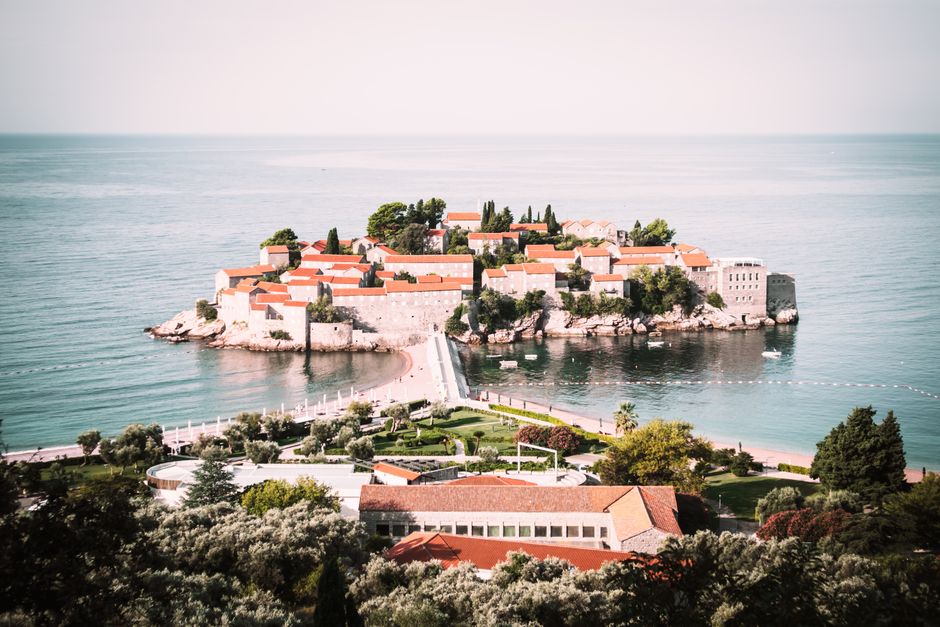
Coastal Charms: Sun-Kissed Beaches and Adriatic Breezes
Imagine yourself basking on the sun-drenched shores of Budva or Kotor, where the Adriatic Sea beckons with its crystal-clear embrace! During the peak summer months of July and August, you’ll experience glorious daytime temperatures soaring between a sizzling 28-32°C, while the inviting sea warms up to a delightful 24-26°C, perfect for endless swimming and water sports. This stretch of Montenegro boasts over 240 sunny days annually, with July and August spoiling you with an average of 10-11 hours of pure sunshine daily.
If you’re dreaming of a coastal escape, know that the driest months are indeed July and August, seeing less than 30mm of rainfall, ensuring your beach days are uninterrupted. However, if you prefer to avoid the peak summer crowds and intense heat, consider visiting in late May-June or September-early October; the sea remains wonderfully warm for a dip, and temperatures hover at a pleasant 22-28°C. While winter, from January to February, brings average temperatures of 8-12°C, rarely dipping below freezing, be mindful of the strong, cold Bura wind that can sweep through, making it feel much chillier, so always check local forecasts for wind warnings.
The coastal climate is truly a gift from the Adriatic Sea, but it’s also shaped by fascinating local winds like the Bura and the Jugo. The Jugo, a warm and humid southerly wind, often signals upcoming rain in autumn and spring, while the Bura, a fierce northerly wind, can bring crisp, clear, but very cold air, especially in winter. Understanding these nuances is key to making the most of your adventure, and this Montenegro weather guide aims to prepare you for every delightful possibility.
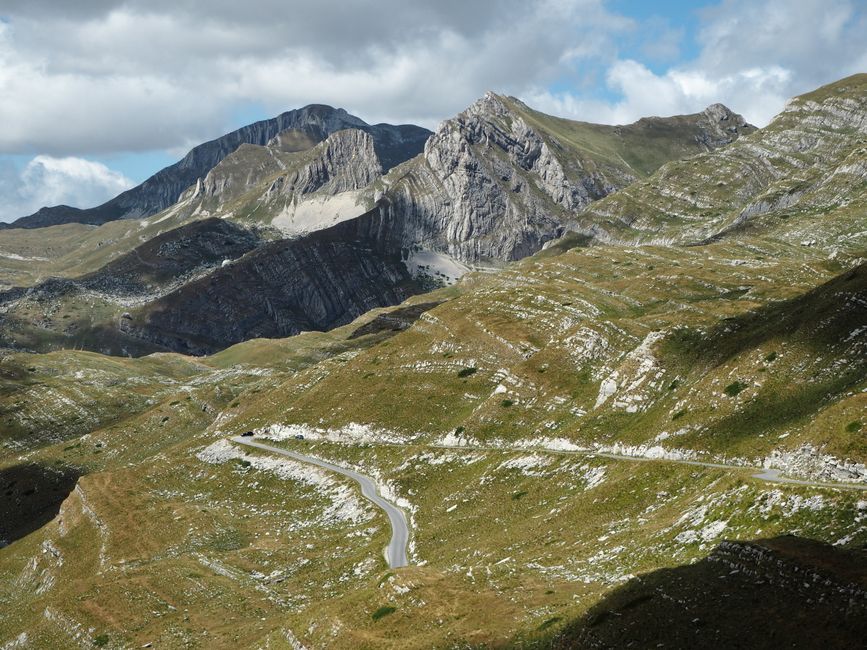
Mountain Majesty: Alpine Adventures & Snowy Peaks
Prepare to be utterly captivated by Montenegro’s majestic northern mountains, a world away from the coast’s warmth! In places like Žabljak, nestled within the breathtaking Durmitor National Park, July offers refreshingly cool average temperatures of 18-22°C during the day, with nights dropping to a crisp 10-12°C – perfect for cozy evenings. This alpine zone transforms into a winter wonderland from November to April, blanketed in significant snowfall, inviting you to embrace exhilarating snow sports.
Winter, specifically January and February, sees mountain temperatures consistently ranging from -5°C to 5°C, ensuring heavy snow cover for skiing and snowboarding enthusiasts. For those eager to hit the hiking trails in stunning areas like Prokletije or Durmitor, the ideal window is late June to early September, when the snow has receded and trails are fully accessible. Remember, even in summer, the mountains demand respect for their ever-changing moods.
A crucial insider tip for your mountain adventures: always pack layers, even if you’re visiting in the height of summer. Temperatures can plummet dramatically in the evenings or at higher altitudes, and sudden rain showers are a common, albeit beautiful, occurrence. Staying prepared means you can fully immerse yourself in the dramatic landscapes and crisp, clean air without a hitch.
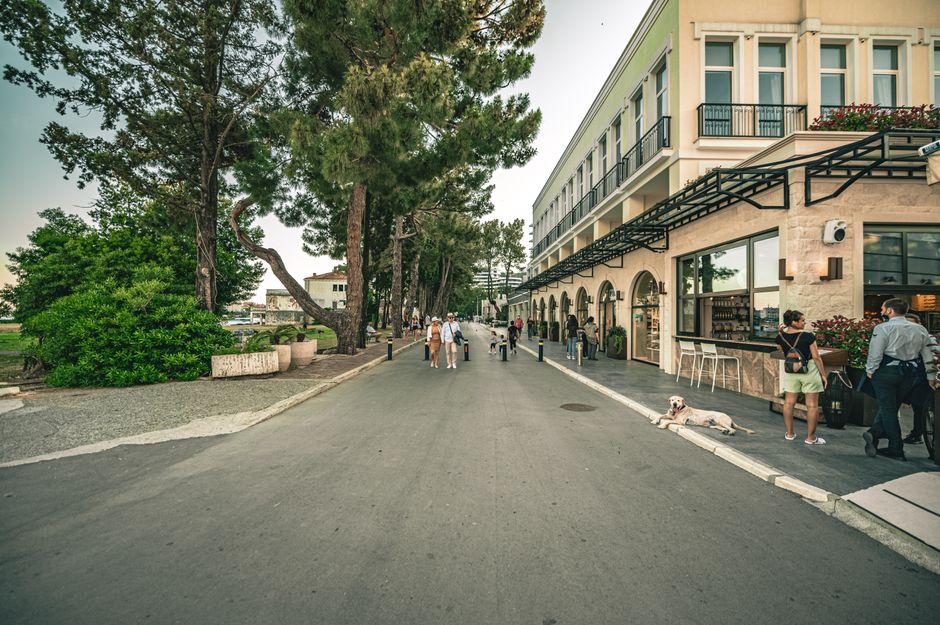
Central Plains: Embracing the Montenegrin Summer Heat
Venturing into Montenegro’s central plains, you’ll discover a distinct climate, particularly around the capital, Podgorica, which truly embraces the summer heat with open arms! From July to August, Podgorica frequently records scorching temperatures exceeding 35°C, often soaring to an impressive 40°C, solidifying its reputation as one of Europe’s hottest capitals. This intense warmth creates a unique atmosphere, perfect for those who truly love the sun.
The expansive Skadar Lake, a jewel in the central plain, plays a significant role in influencing the local microclimate, contributing to the area’s distinct weather patterns. If you’re planning to explore this region during the summer, be sure to stay hydrated and seek out shaded cafes or refreshing dips in local swimming spots. This part of your Montenegro weather guide highlights the importance of adapting to the local conditions for a truly enjoyable experience.
While the heat is undeniable, it also means long, bright days perfect for exploring the region’s cultural sites and natural beauty, perhaps with an early start to beat the midday sun. Embrace the vibrant energy that comes with the warmth, and you’ll find the central plains offer a memorable, sun-drenched chapter to your Montenegrin journey.

Your Perfect Season: When to Explore Montenegro’s Wonders
Deciding when to embark on your Montenegrin adventure truly depends on what experiences you crave! If your heart yearns for sun-kissed beaches and warm Adriatic swims, late May to early October offers glorious conditions, with July and August being the hottest and busiest. For thrilling alpine hikes and crisp mountain air, late June through early September is your golden window, ensuring accessible trails and breathtaking vistas without the heavy snow.
Winter sports enthusiasts, on the other hand, will find their paradise in the northern mountains from November to April, with abundant snow and perfect conditions for skiing and snowboarding. For a comprehensive overview and the most up-to-the-minute details, always consult the experts at Zavod za hidrometeorologiju i seizmologiju Crne Gore, Montenegro’s official national weather service, to fine-tune your plans.
No matter your preference, Montenegro offers a diverse climate that promises unforgettable moments throughout the year. By understanding the nuances of this Montenegro weather guide, you’re empowered to choose the perfect season for your dream trip, ensuring every moment is filled with joy, discovery, and the magic of this incredible Balkan gem.