
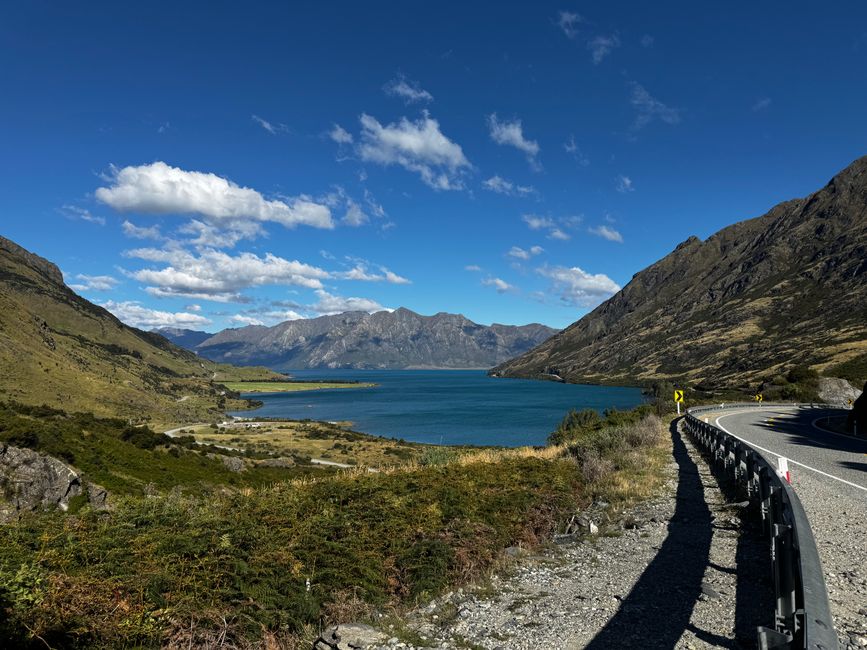
Unlocking Aotearoa: Your Essential Entry Guide
Prepare to be captivated the moment you set foot in Aotearoa, the Land of the Long White Cloud! To ensure a seamless entry, remember that many visitors will need a New Zealand Electronic Travel Authority, or NZeTA. You can snag this essential document for NZD 17 if you use the official NZeTA mobile app, or NZD 23 if you apply online, making the app a smart choice for your budget.
Beyond the NZeTA, you’ll also contribute to preserving this stunning nation with an International Visitor Conservation and Tourism Levy of NZD 35, a small price for protecting paradise. Crucially, New Zealand has some of the strictest biosecurity measures in the world, so be absolutely meticulous! Always declare all food, any outdoor gear like hiking boots, and camping equipment upon arrival to avoid instant fines starting from a hefty NZD 400.
Seriously, ensure all your gear is spotless and ready for inspection; even a speck of dirt can cause issues. This commitment to protecting their unique ecosystem is a cornerstone of the New Zealand travel essentials guide, ensuring you and future travelers can enjoy its pristine beauty for years to come. Embrace these steps, and you’re all set for an incredible adventure!

Stay Connected & Powered Up, Kiwi Style
Staying connected is a breeze in New Zealand, letting you share every breathtaking moment with friends and family back home! Grab a pre-paid SIM card from local giants like Spark or Vodafone right at the airport kiosks or any supermarket. Typically, you’ll find plans ranging from NZD 30 to NZD 40, offering a generous 4GB to 10GB of data, usually valid for 28 days. Don’t forget to check out 2degrees too for competitive options!
Keeping your devices charged is just as important, especially when you’re capturing those epic landscapes. New Zealand uses Type I power sockets, featuring three flat pins, and operates at 230V and 50Hz. If you’re journeying from North America or Europe, you’ll definitely need to pack a universal adapter to keep your cameras and phones ready for action.
Finally, remember that New Zealand Standard Time is UTC+12. During the warmer months, from late September to early April, the country shifts to NZDT, which is UTC+13, so adjust your watches and schedules accordingly to truly immerse yourself in the local rhythm.

Your Wallet & Welcome Mat: Navigating New Zealand’s Dollars & Airports
Get ready to embrace the New Zealand Dollar, or NZD, as your official currency for all your adventures! While cash is always handy, you’ll find that electronic payments are incredibly widespread and convenient across the country. EFTPOS, New Zealand’s electronic funds transfer at point of sale system, is universally accepted, making card payments super easy wherever you go.
Your grand entrance into this spectacular country will likely be through one of its major international airports. Auckland Airport, known by its code AKL, is typically your primary gateway on the North Island, bustling with arrivals and departures. On the South Island, Christchurch Airport, CHC, welcomes you to its stunning landscapes, while Wellington Airport, WLG, serves as a vibrant hub for the capital city.
These airports are well-equipped with all the services you’ll need upon arrival, from currency exchange to rental car services, ensuring your first moments in New Zealand are smooth and stress-free. Planning your arrival through one of these key hubs is a crucial part of your New Zealand travel essentials guide, setting the stage for an unforgettable journey.

Adventure Awaits: Insider Tips for an Unforgettable Journey
Your New Zealand adventure is calling, and with these insider tips, you’ll be perfectly prepared to answer! If freedom camping is on your radar, make sure you download the “CamperMate” or “Rankers Camping NZ” apps. These invaluable tools will guide you to legal, designated sites and essential facilities, but remember, many areas require certified self-contained vehicles to protect the environment.
For those dreaming of conquering one of New Zealand’s legendary Great Walks, like the Milford Track or Routeburn Track, planning is paramount. You absolutely must book huts and campsites directly via the Department of Conservation (DOC) website, often 6 to 12 months in advance, especially if you’re traveling during the peak season from October to April. These spots fill up incredibly fast!
Finally, a critical safety note: the UV index in New Zealand can be dangerously high, even on seemingly cloudy days. Protect yourself diligently by always applying SPF50+ sunscreen, donning a wide-brimmed hat, and wearing sunglasses whenever you’re outdoors. And for getting around, consider reliable bus services like InterCity or explore rental options with companies like JUCY to truly explore every hidden gem.