
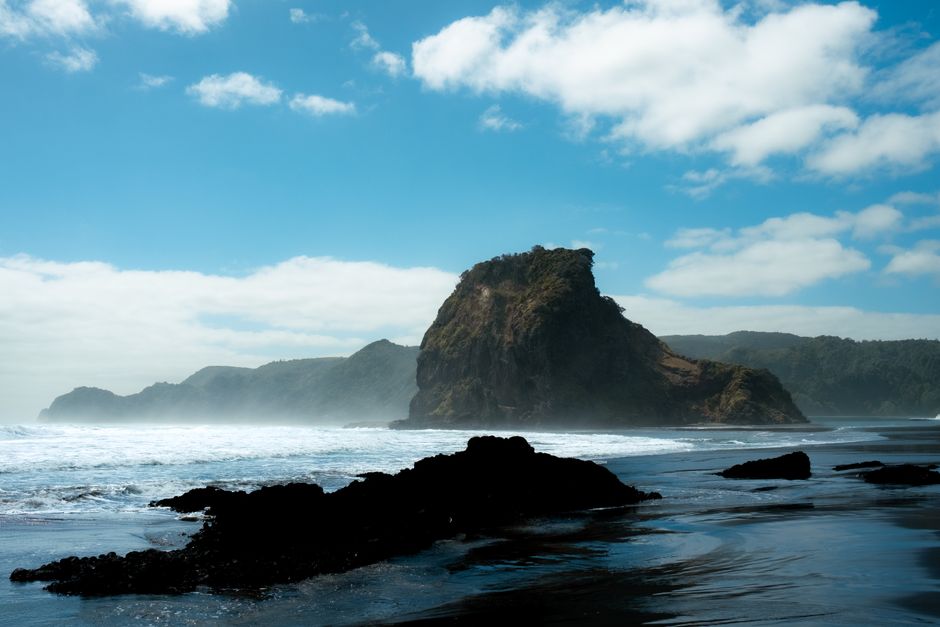
Decoding New Zealand’s Seasons: What to Pack & Expect
Imagine stepping into a world where every season offers a unique embrace, from sun-drenched beaches to snow-capped peaks; that’s New Zealand for you! During your summer adventure, typically from December to February, you’ll bask in delightful warmth with North Island temperatures often sizzling between 20-25°C, while the South Island offers a refreshing 19-23°C.
However, don’t let those sunny averages fool you; New Zealand’s weather is famously unpredictable, often serving up ‘four seasons in one day,’ especially in mountainous or coastal areas, so always pack versatile layers for your next trip.
When winter arrives from June to August, the North Island cools to a crisp 10-15°C, and the South Island embraces a chillier 5-10°C, with alpine regions often dipping below 0°C, creating a spectacular winter wonderland.
This is prime time for hitting the slopes, as the official ski season in the majestic Southern Alps typically runs from mid-June to early October, with world-class resorts like Coronet Peak and Cardrona Alpine Resort welcoming you around late June for exhilarating snow sports.

The Great Outdoors: Battling Intense UV Rays & Sudden Showers
Prepare yourself for some seriously potent sunshine when you explore New Zealand’s stunning landscapes, as the UV Index can frequently reach an ‘Extreme’ 11+ during summer months, even on seemingly cloudy days, thanks to a thinner ozone layer.
Sun protection is absolutely non-negotiable for your health and comfort: always wear a wide-brimmed hat, stylish sunglasses, and generously apply SPF 30+ sunscreen, even when you think the sun isn’t that strong.
You’ll also discover a dramatic contrast in rainfall across the country; while the West Coast of the South Island, particularly breathtaking regions like Fiordland, experiences extreme rainfall averaging over 6,000 mm annually, the East Coast, like Hawke’s Bay, enjoys a much drier climate with only 800-1,000 mm.
This incredible variability means your New Zealand weather guide should always include a waterproof jacket and a sense of adventure, ready for whatever the skies decide to deliver, often influenced by the powerful ‘Roaring Forties’ winds.

Windy Wellington & Alpine Wonders: Regional Weather Quirks
Get ready to embrace the blustery charm of ‘Windy Wellington,’ a city renowned for its invigorating breezes, where average wind speeds hover around 29 km/h and frequent gusts can exceed 60 km/h, especially during the vibrant spring and autumn months.
This unique atmospheric energy adds a dynamic edge to your urban explorations, making every walk along the waterfront an exhilarating experience.
Venture into the majestic Southern Alps, and you’ll encounter a completely different set of weather patterns, where the towering peaks act as a dramatic stage for rapidly changing conditions, often influenced by the ‘Nor’wester,’ a unique Föhn wind phenomenon common in Canterbury.
When planning your adventures in these alpine wonders or the dramatic Fiordland, always have a ‘Plan B’ tucked away in your New Zealand weather guide, as sudden shifts can lead to road closures, like the iconic Milford Road, or the cancellation of tours, ensuring you stay safe and adaptable.
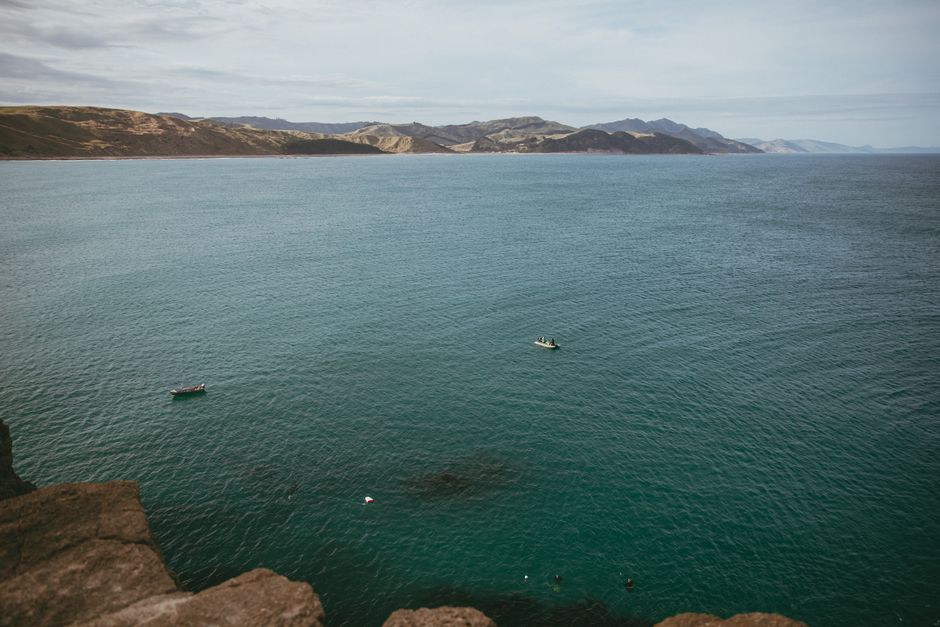
Weather Wisdom: Essential Apps & Backup Plans for Your Trip
To truly master the art of navigating New Zealand’s famously changeable climate, your best friend will be MetService, the official weather forecasting agency.
We highly recommend you download the official MetService app or regularly check their website, metservice.com, for highly localized and up-to-the-minute forecasts, which are absolutely crucial for planning any outdoor activities like hiking, boating, or simply enjoying a scenic drive.
Remember our golden rule for any New Zealand weather guide: always pack layers, regardless of the season, because being prepared for ‘four seasons in one day’ is the secret to a comfortable and joyful journey.
Finally, always have a ‘Plan B’ for your adventures, especially when exploring remote or weather-sensitive areas; embracing flexibility and having alternative activities in mind will ensure your trip remains seamless and full of incredible memories, no matter what the skies bring.