
Chasing the Sun: Summer’s Embrace & Endless Days in Norway
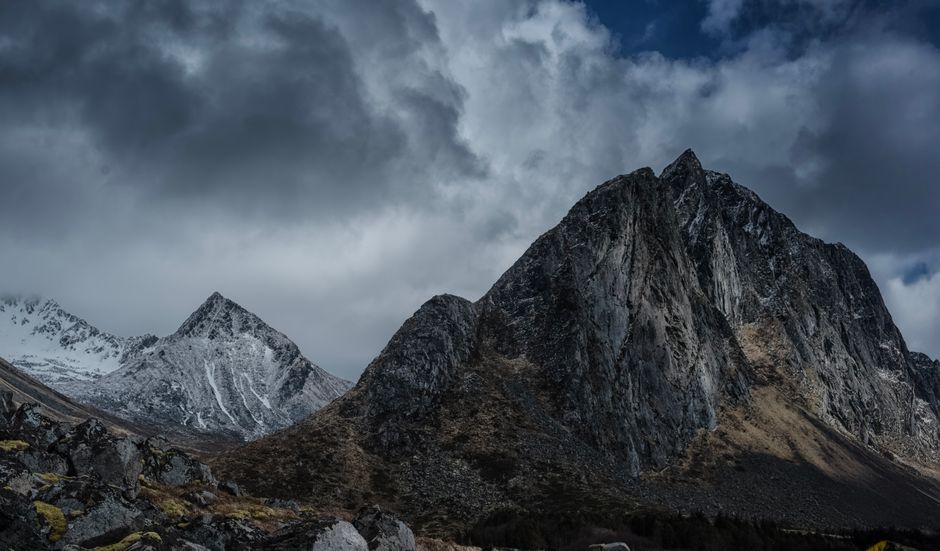
Imagine basking in the glorious Norwegian summer, where the sun seems to stretch on forever, painting the sky with hues you’ve only dreamed of! In Oslo, you’ll find average July daytime temperatures a delightful 20-22°C (68-72°F), with those precious daylight hours extending blissfully past 10 PM, inviting you to linger over alfresco dinners and strolls.
Venture further north, above the Arctic Circle, and prepare for the truly mesmerizing Midnight Sun! In Tromsø, from approximately May 20 to July 22, you’ll experience a full 24 hours of daylight, a surreal and exhilarating phenomenon that will redefine your concept of time and energize your adventures.
Don’t forget the inner fjord regions, like the stunning Flåm, where sheltered microclimates can push summer temperatures up to a balmy 25°C (77°F), offering a wonderfully warm contrast to the often cooler, windier coastal breezes. This unique warmth creates perfect conditions for exploring the dramatic landscapes.
Even with the cooler air, the sun’s intensity during these long days is no joke, so pack your sunglasses and remember to apply sunscreen diligently. Protecting your skin is key to fully enjoying every sun-drenched moment of your Norwegian summer escapade!
Winter’s Wonderland: Navigating Norway’s Arctic Nights & Mild Coasts
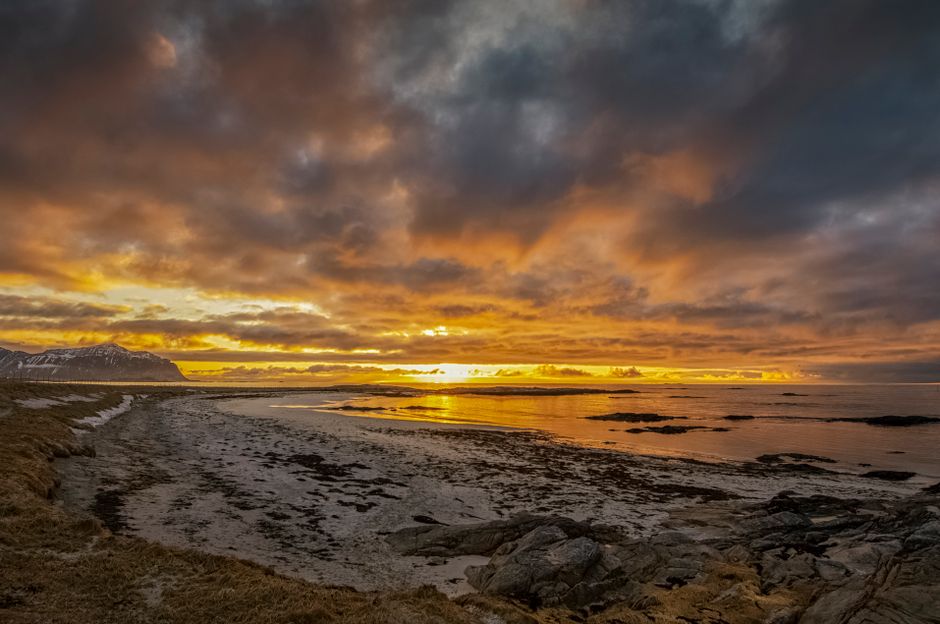
Embrace the enchanting magic of a Norwegian winter, where crisp air and snow-dusted landscapes create an unforgettable backdrop for your adventures! Up in Tromsø, north of the Arctic Circle, you’ll experience the mystical Polar Night from late November to mid-January, with average January daytime temperatures hovering between -4°C to 0°C (25-32°F), perfect for chasing the Northern Lights.
Yet, Norway’s winter isn’t uniformly icy; thanks to the warming influence of the mighty Gulf Stream, coastal areas boast surprisingly mild conditions. Take Stavanger, for instance, where average January temperatures rarely dip below 0°C (32°F), allowing for comfortable exploration even in the depths of winter.
This fascinating interplay of geography and ocean currents means you can find stark contrasts, from the deep snows of inland valleys to the relatively temperate, often snow-free coastal towns. It’s truly a testament to the diverse climate you’ll discover across this incredible country.
And here’s an insider tip for your winter journey: even with the shorter days and colder temperatures, especially when snow blankets the ground, the UV radiation can be surprisingly strong due to reflection. So, don’t forget your sunglasses and sunscreen – your eyes and skin will thank you!
Rain or Shine: Unpacking Norway’s Coastal Moods & Mountain Whispers
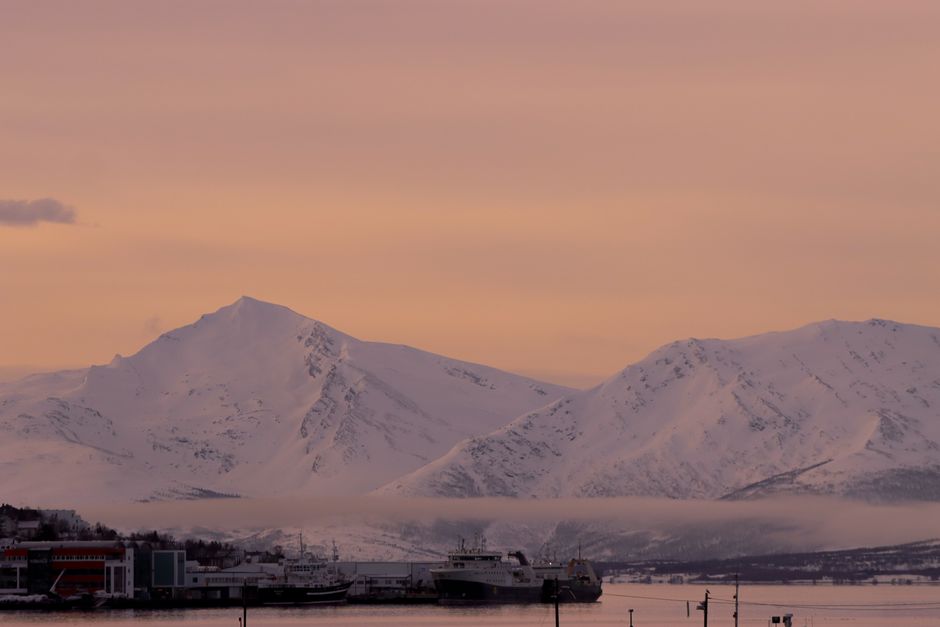
Norway’s weather is a captivating character in itself, full of dramatic shifts and breathtaking moods, especially along its magnificent coastline and within its towering mountain ranges. Prepare for anything, because the country truly offers a dynamic meteorological show!
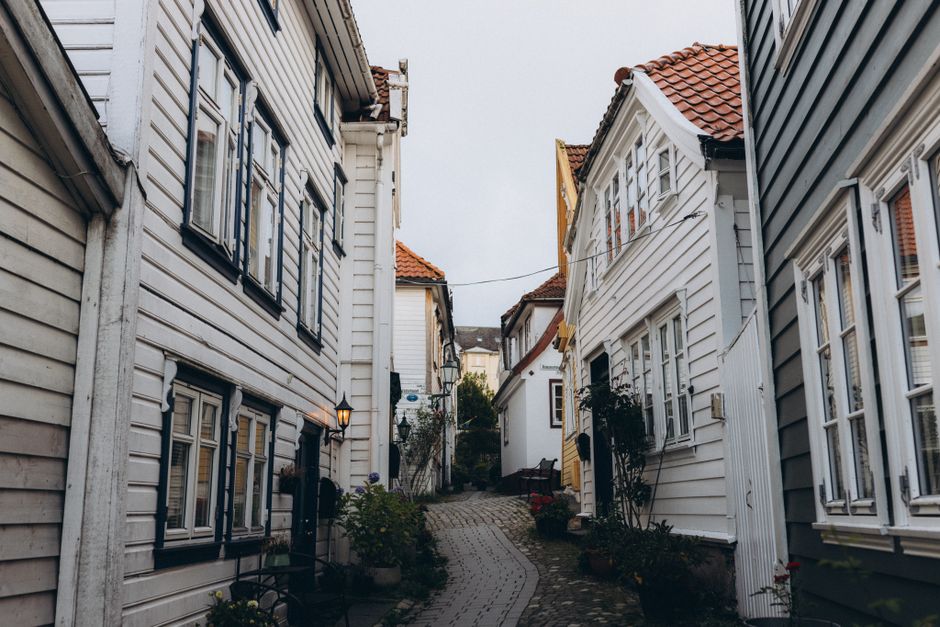
On the stunning west coast, cities like Bergen are famed for their abundant rainfall, averaging over 2,250 mm (88 inches) annually, with October and November often being the wettest months. But don’t let that deter you; these showers only add to the lush, vibrant beauty of the fjords and the cozy charm of its historic streets.
The mountains and fjords are particularly prone to rapid weather changes, where a sunny morning can quickly give way to a misty afternoon or a sudden shower. This means that a crucial part of your Norway weather guide involves being prepared for all eventualities, ensuring your comfort and enjoyment.
This is precisely why investing in high-quality waterproof and windproof outerwear, including both a jacket and trousers, is non-negotiable for any trip to Norway. It’s your ultimate shield against the elements, allowing you to fully immerse yourself in every outdoor activity, come rain or shine.
Your Essential Kit: Packing Smart for Norway’s Ever-Changing Skies
Packing for Norway is an art form, a dance with the elements that ensures you’re ready for anything its incredible landscapes might throw your way! The golden rule, regardless of the season, is to always pack multiple layers: think a comfortable base, a warm mid-layer, and a robust outer shell.
This layering strategy is your secret weapon, allowing you to adapt seamlessly to Norway’s rapidly changing weather, especially when you’re exploring the majestic mountains or cruising through the serene fjords. You’ll be shedding layers under a warm sun and bundling up when a brisk wind sweeps in.
Seriously, invest in high-quality waterproof and windproof outerwear – we’re talking both a jacket and trousers. This isn’t just a recommendation; it’s an absolute necessity for staying comfortable and dry, particularly if you’re venturing to the famously rainy west coast or planning any exhilarating outdoor activities.
And a final, vital tip for any season, as highlighted in this comprehensive Norway weather guide: even in winter, especially with snow on the ground, wear sunglasses and apply sunscreen. The UV radiation can be surprisingly intense due to reflection, so protect your eyes and skin to fully enjoy every moment!
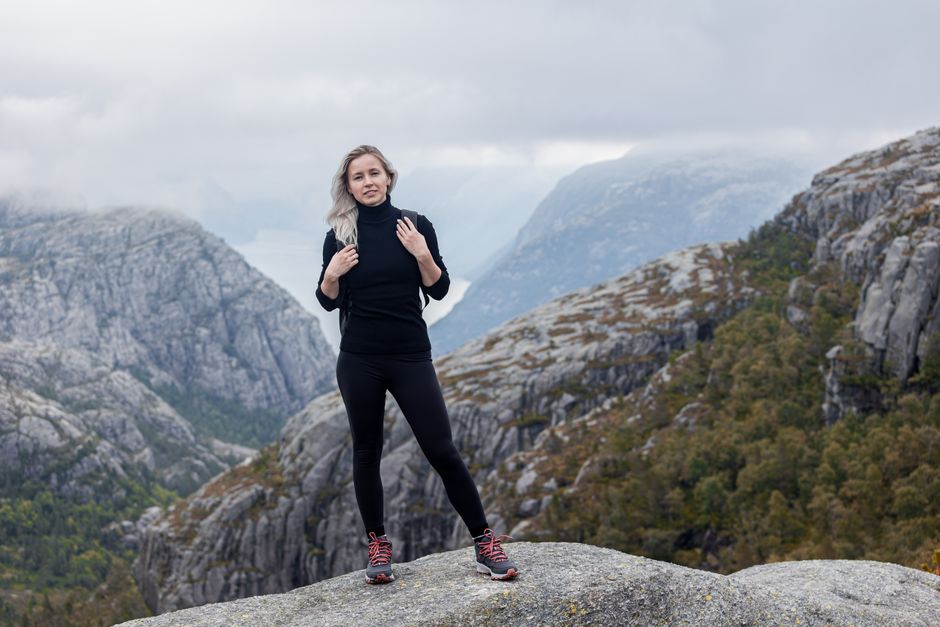
Weather Wisdom: Tapping into Norway’s Best Forecasts Like a Local
To truly master your Norwegian adventure, you’ll want to tap into the same weather wisdom the locals rely on. Accurate, hyper-local forecasts are your best friend for planning everything from a city stroll to an epic fjord hike, ensuring you’re always one step ahead of the elements.
Your absolute go-to for reliable weather information is YR.no, the official weather service from the Norwegian Meteorological Institute (MET Norway). This isn’t just a website; it’s a national treasure for weather prediction, offering incredibly precise data.
Do yourself a huge favor and download the YR.no app! It provides hyper-local, hourly weather forecasts that are crucial for planning your day, especially if you’re embarking on hikes, boat trips, or any outdoor exploration where conditions can shift quickly.
Another excellent and popular alternative among Norwegians is Storm.no, which also offers detailed and dependable forecasts. By checking both, you’ll gain a comprehensive understanding of what the skies have in store, empowering you to make the most of every precious moment on your trip.