
Hiking the Future: New Trails and Technologies in Iceland’s Highlands
The hiking trails in Iceland’s Highlands offer a unique blend of untouched nature and challenging terrain, drawing adventure travelers to explore its vast, rugged landscapes. These highlands are characterized by their volcanic deserts, glaciers, and geothermal areas, presenting both allure and challenges for hikers seeking new paths and experiences.
Introduction to Iceland’s Highlands
Iceland’s Highlands cover approximately 40% of the country’s landmass, offering a remote and unspoiled wilderness that is both captivating and challenging for hikers. This vast area is largely uninhabited, providing a sense of isolation and adventure that is hard to find elsewhere. The Highlands are known for their dramatic landscapes, including volcanic deserts, glaciers, and geothermal areas, making them a unique destination for those seeking to connect with nature on a deeper level.
The allure of the Highlands lies in their raw beauty and the sense of discovery they offer. Hikers can traverse through diverse terrains, from black sand deserts to lush green valleys, all within a single day. The region’s remoteness also means that trails are less crowded, allowing for a more intimate experience with the natural world. However, this remoteness also presents challenges, as the lack of infrastructure and rapidly changing weather conditions require careful planning and preparation.
Hiking in Iceland’s Highlands is not for the faint of heart. The unpredictable weather, combined with the rugged terrain, demands a high level of fitness and experience. Hikers must be prepared for sudden changes in weather, including rain, snow, and strong winds, even during the summer months. Despite these challenges, the rewards of hiking in the Highlands are immense, offering breathtaking views and a profound sense of accomplishment.
- Research the specific area of the Highlands you plan to visit.
- Ensure you have the necessary permits and permissions.
- Plan your route and inform someone of your itinerary.
Emerging Hiking Trails in the Highlands
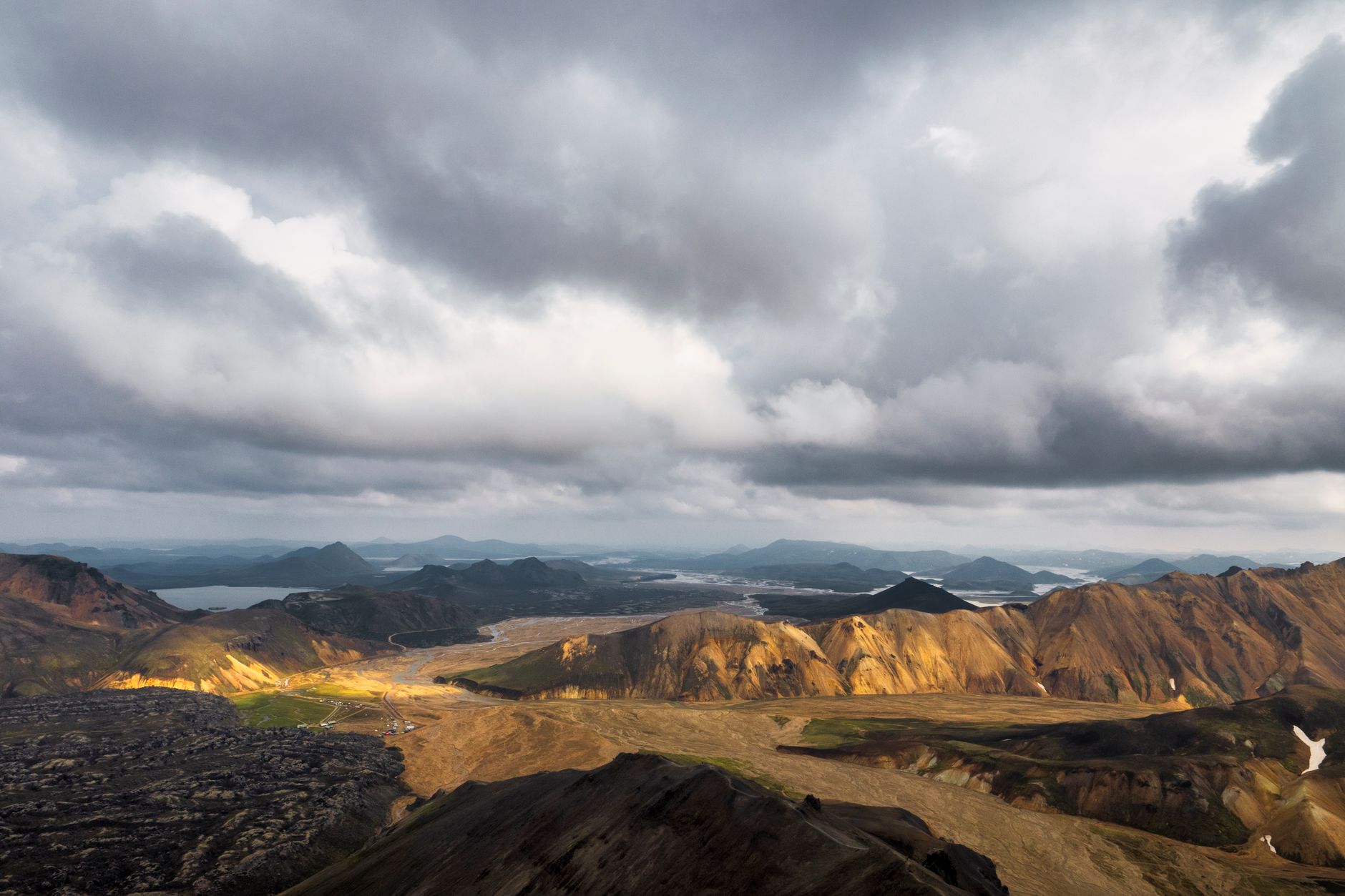
New hiking trails in Iceland’s Highlands are continually being discovered and developed, offering fresh opportunities for exploration. Among these, the Laugavegur Trail stands out as a must-visit, renowned for its stunning scenery and diverse landscapes. This trail stretches over 55 kilometers, connecting the geothermal area of Landmannalaugar with the lush valley of Þórsmörk, and is considered one of the most beautiful treks in the world.
Another emerging trail is the Fimmvörðuháls Pass, which offers a challenging yet rewarding hike between the glaciers of Eyjafjallajökull and Mýrdalsjökull. This trail is known for its dramatic landscapes, including volcanic craters and stunning waterfalls. It provides a unique opportunity to witness the raw power of Iceland’s volcanic activity up close.
The Askja Caldera trail is also gaining popularity among adventurous hikers. Located in the remote central Highlands, this trail leads to a massive volcanic caldera filled with a strikingly blue lake. The journey to Askja is challenging, requiring a 4×4 vehicle to reach the trailhead, but the surreal landscapes and the sense of isolation make it a worthwhile endeavor.
- Laugavegur Trail: 55 km, diverse landscapes, connects Landmannalaugar and Þórsmörk.
- Fimmvörðuháls Pass: Challenging hike, volcanic craters, between Eyjafjallajökull and Mýrdalsjökull.
- Askja Caldera: Remote trail, volcanic caldera with blue lake, requires 4×4 access.
Handy Tool: To make your next trip seamless, secure, and stress-free, use our recommended platform below:
Technological Innovations Enhancing Hiking
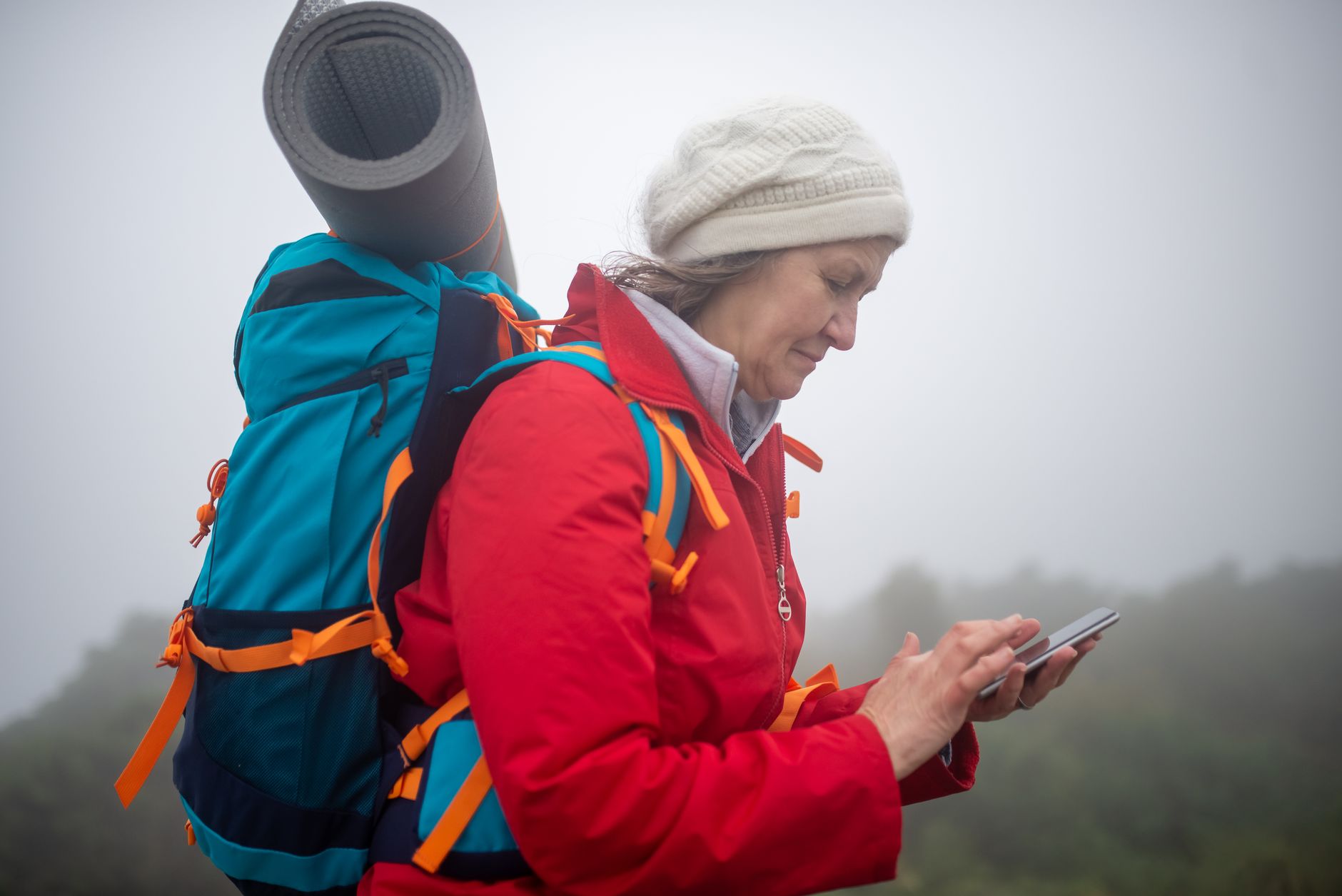
Technological advancements are significantly enhancing the hiking experience in Iceland’s Highlands. GPS devices and trail apps have become essential tools for hikers, providing accurate navigation and real-time updates on trail conditions. These technologies help hikers plan their routes more effectively and avoid getting lost in the vast, often featureless landscapes of the Highlands.
One of the most popular trail apps among hikers is AllTrails, which offers detailed maps and user reviews of trails worldwide, including those in Iceland. The app allows hikers to download maps for offline use, a crucial feature given the limited cell service in remote areas. Another valuable tool is the Gaia GPS app, which provides topographic maps and weather forecasts, helping hikers prepare for the unpredictable Icelandic weather.
In addition to apps, wearable technology such as smartwatches equipped with GPS and altimeters are becoming increasingly popular among hikers. These devices provide real-time data on altitude, distance, and pace, allowing hikers to monitor their progress and make informed decisions during their trek. The integration of technology into hiking not only enhances safety but also enriches the overall experience by providing insights into the surrounding environment.
- Use GPS devices for accurate navigation in remote areas.
- Download trail maps from apps like AllTrails for offline use.
- Equip yourself with a smartwatch for real-time hiking data.
Safety Tips for Hiking in Remote Areas
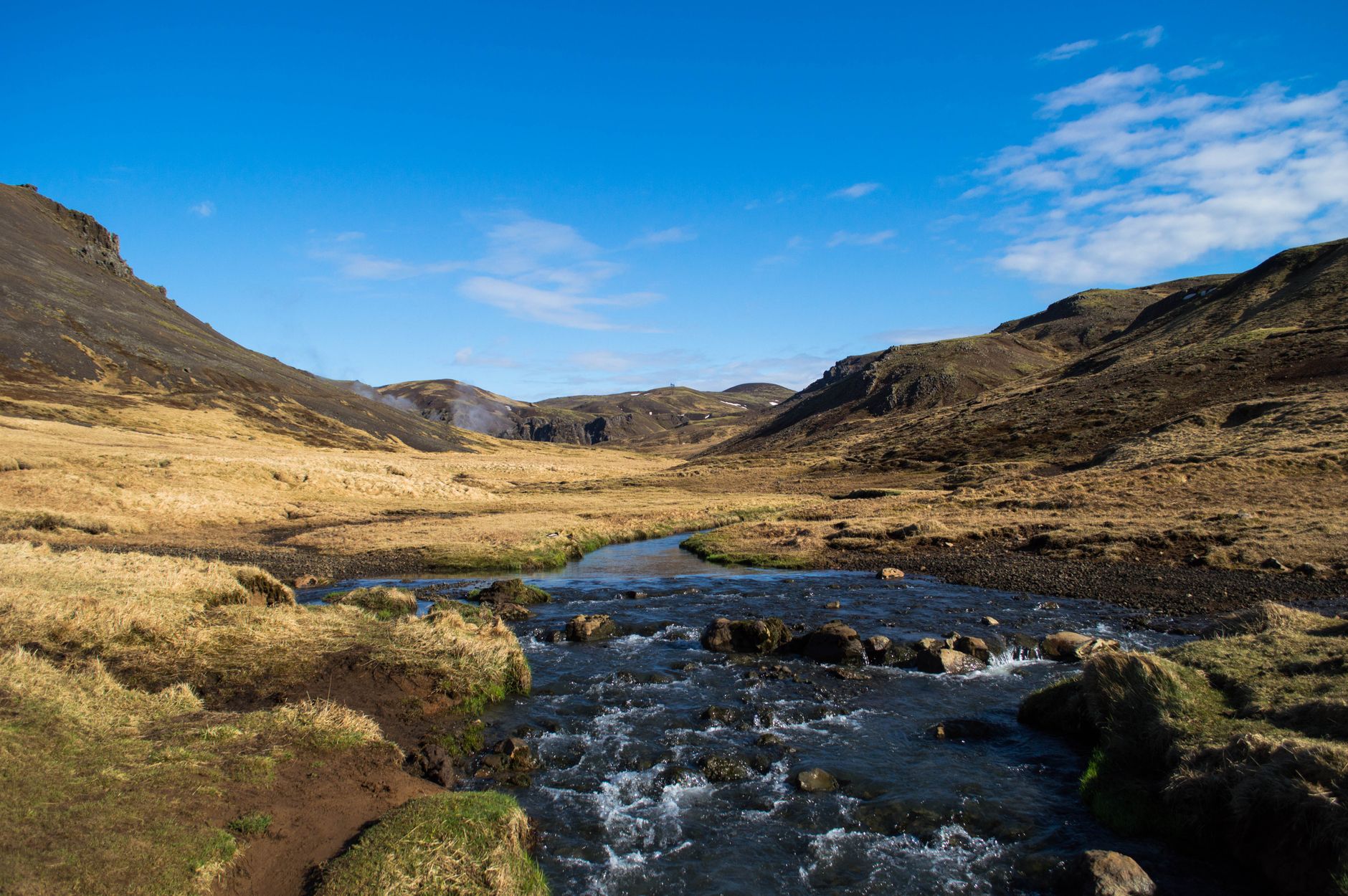
Hiking in remote areas of Iceland’s Highlands requires careful preparation and awareness of potential risks. One of the most important safety tips is to always inform someone of your itinerary before embarking on a hike. This ensures that someone knows your expected return time and can alert authorities if you do not return as planned.
Carrying a well-stocked first aid kit is essential for addressing minor injuries and medical emergencies. Hikers should also be equipped with a reliable means of communication, such as a satellite phone or a personal locator beacon, as cell service is often unavailable in remote areas. These devices can be lifesaving in the event of an emergency, allowing hikers to call for help even when out of cell range.
Weather conditions in the Highlands can change rapidly, making it crucial to check the forecast before setting out and to be prepared for all types of weather. Dressing in layers and carrying waterproof clothing can help hikers stay comfortable and safe in varying conditions. Additionally, hikers should be aware of the signs of hypothermia and heat exhaustion, and know how to respond appropriately.
- Inform someone of your hiking itinerary and expected return time.
- Carry a first aid kit and a reliable communication device.
- Dress in layers and prepare for rapid weather changes.
Preparing for Iceland’s Weather
Iceland’s weather is notoriously unpredictable, with conditions that can change dramatically within minutes. Hikers in the Highlands must be prepared for everything from bright sunshine to heavy rain, strong winds, and even snow, regardless of the season. This unpredictability makes it essential to check the weather forecast frequently and to be prepared for all eventualities.
Packing the right gear is crucial for a successful hike in Iceland. Hikers should dress in layers, starting with a moisture-wicking base layer, followed by insulating layers, and topped with a waterproof and windproof outer shell. This layering system allows hikers to adjust their clothing according to the weather conditions and their level of activity.
In addition to clothing, hikers should pack essential items such as a map and compass, a headlamp, extra food and water, and a portable charger for electronic devices. These items can make a significant difference in comfort and safety, especially if hikers encounter unexpected delays or need to spend more time on the trail than anticipated.
- Dress in layers to adapt to changing weather conditions.
- Carry a waterproof and windproof outer shell.
- Pack extra food, water, and a portable charger.
Sustainable Hiking Practices
Sustainable hiking practices are essential for preserving the natural beauty of Iceland’s Highlands for future generations. One of the core principles of sustainable hiking is the Leave No Trace philosophy, which emphasizes minimizing human impact on the environment. Hikers should strive to leave the trails as they found them, taking care not to disturb wildlife or vegetation.
Proper waste management is a critical aspect of sustainable hiking. Hikers should pack out all trash, including biodegradable waste, as decomposition can take much longer in the cold, arid environment of the Highlands. Additionally, hikers should use established trails and campsites to avoid damaging fragile ecosystems.
Water conservation is another important consideration, as the Highlands’ water sources are often limited and sensitive to contamination. Hikers should carry their own water and use portable water filters or purification tablets if they need to refill from natural sources. By practicing these sustainable habits, hikers can help ensure that Iceland’s pristine landscapes remain unspoiled for future adventurers.
- Follow Leave No Trace principles to minimize environmental impact.
- Pack out all trash, including biodegradable waste.
- Use established trails and campsites to protect ecosystems.
Conclusion: The Future of Hiking in Iceland
The future of hiking in Iceland’s Highlands looks promising, with new trails continually being discovered and developed. As more hikers seek out these remote areas, the importance of sustainable practices and technological advancements becomes increasingly evident. The integration of technology into hiking not only enhances safety but also enriches the experience by providing valuable insights into the environment.
Looking ahead, the development of new trails will likely focus on balancing accessibility with conservation, ensuring that the natural beauty of the Highlands is preserved for future generations. As technology continues to evolve, hikers can expect even more innovative tools to aid in navigation, safety, and environmental awareness.
Ultimately, the hiking trails in Iceland’s Highlands offer an unparalleled opportunity for adventure and exploration. By embracing sustainable practices and leveraging technological advancements, hikers can enjoy these breathtaking landscapes while ensuring their preservation for years to come. The Highlands remain a testament to the raw power and beauty of nature, inviting adventurers to explore their untamed wilderness.
- Embrace sustainable practices to preserve natural beauty.
- Leverage technology for enhanced safety and experience.
- Support trail development that balances accessibility with conservation.