
Cruise Innovations: Sailing the Mediterranean with Green Technology in 2026
Green technology in Mediterranean cruises is transforming the maritime industry by significantly reducing environmental impact and promoting sustainable tourism. The Mediterranean, a hub for cruise travel, is at the forefront of these innovations, showcasing advanced technologies that minimize carbon footprints and enhance eco-friendly practices. This shift not only addresses the pressing need for environmental responsibility but also caters to the growing demand from eco-conscious travelers seeking sustainable travel options.
Introduction to Green Technology in Cruises
The cruise industry is undergoing a significant transformation with the integration of green technology, aimed at reducing its environmental impact. This shift is particularly evident in the Mediterranean, where cruise lines are adopting innovative solutions to minimize their carbon footprint. The use of alternative fuels, renewable energy sources, and advanced waste management systems are central to these efforts, aligning with global sustainability goals.
Eco-conscious travelers are increasingly prioritizing sustainability in their travel choices, prompting cruise operators to invest in green technologies. The Mediterranean, with its rich cultural heritage and diverse ecosystems, serves as an ideal region for implementing these technologies. By adopting sustainable practices, cruise lines not only contribute to environmental conservation but also enhance their appeal to a growing segment of environmentally aware tourists.
The adoption of green technology in Mediterranean cruises is not just a trend but a necessary evolution in the industry. As regulatory pressures increase and consumer expectations shift towards sustainability, cruise lines are compelled to innovate. This commitment to green technology not only supports environmental goals but also ensures the long-term viability of the cruise industry in the region.
- Research cruise lines that prioritize sustainability.
- Choose itineraries that highlight eco-friendly practices.
- Support cruise companies investing in green technology.
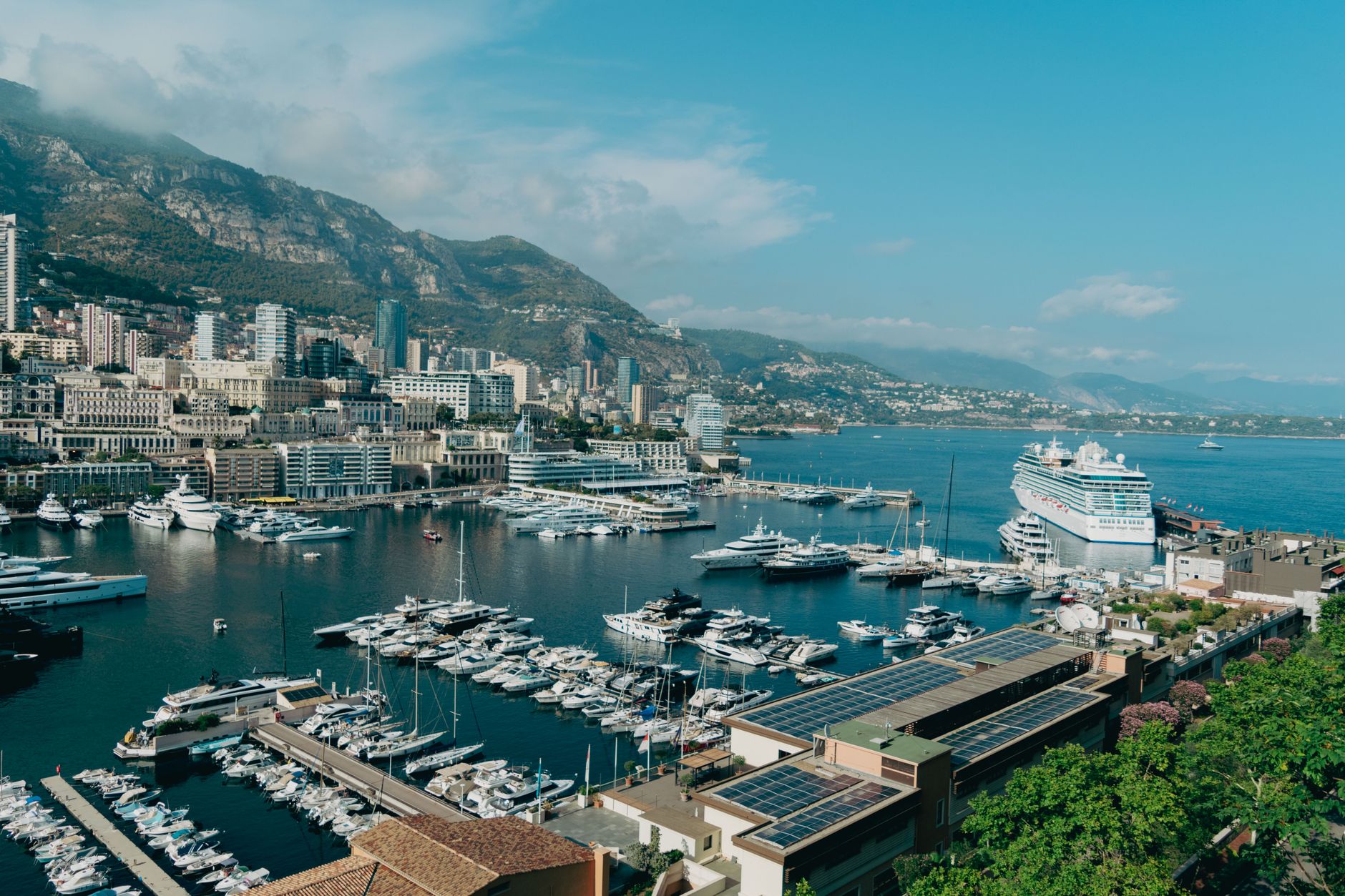
The Role of LNG in Reducing Emissions
Liquefied Natural Gas (LNG) is a pivotal component in the quest to reduce emissions from cruise ships. As a cleaner alternative to traditional marine fuels, LNG significantly cuts down on sulfur oxides, nitrogen oxides, and particulate matter emissions. This transition is particularly impactful in the Mediterranean, where air quality and marine life are critical concerns.
The adoption of LNG technology in cruise ships is driven by both environmental and regulatory factors. International maritime regulations are increasingly stringent, pushing cruise lines to adopt cleaner fuels. LNG not only complies with these regulations but also positions cruise lines as leaders in sustainable maritime practices, enhancing their reputation among eco-conscious travelers.
Implementing LNG technology requires substantial investment and infrastructure development. However, the long-term benefits, including reduced fuel costs and lower environmental impact, make it a worthwhile endeavor. As more ports in the Mediterranean region develop LNG bunkering facilities, the adoption of this technology is expected to accelerate, further promoting green technology in Mediterranean cruises.
- Opt for cruises that use LNG as a primary fuel source.
- Stay informed about ports with LNG bunkering facilities.
- Support policies that encourage LNG adoption in maritime travel.

Handy Tool: To make your next trip seamless, secure, and stress-free, use our recommended platform below:
Harnessing Renewable Energy: Solar Panels and Wind Turbines
Cruise ships are increasingly harnessing renewable energy sources such as solar panels and wind turbines to reduce their reliance on fossil fuels. These technologies offer a sustainable way to power onboard systems, significantly lowering the overall carbon footprint of cruises. The Mediterranean, with its abundant sunlight and favorable wind conditions, provides an ideal environment for these renewable energy solutions.
Solar panels are being installed on the decks of cruise ships to capture solar energy, which is then used to power various onboard facilities. This not only reduces fuel consumption but also decreases emissions, contributing to cleaner air and water in the Mediterranean region. Similarly, wind turbines are being integrated into ship designs to harness wind energy, further enhancing the sustainability of cruise operations.
The integration of renewable energy technologies in cruise ships is a testament to the industry’s commitment to sustainability. By investing in solar and wind energy, cruise lines are not only reducing their environmental impact but also setting a precedent for other sectors in the maritime industry. This shift towards renewable energy is a crucial step in promoting green technology in Mediterranean cruises.
- Choose cruises that utilize solar and wind energy.
- Advocate for increased use of renewable energy in maritime travel.
- Educate others about the benefits of renewable energy on cruises.

Advanced Wastewater Treatment Systems
Advanced wastewater treatment systems are essential for minimizing the environmental impact of cruise ships. These systems treat sewage and greywater onboard, ensuring that only clean water is discharged into the ocean. This is particularly important in the Mediterranean, where marine ecosystems are vulnerable to pollution.
The implementation of state-of-the-art wastewater treatment technologies allows cruise lines to comply with stringent environmental regulations. These systems use biological and chemical processes to remove contaminants, significantly reducing the risk of ocean pollution. By investing in these technologies, cruise lines demonstrate their commitment to protecting marine environments and promoting sustainable tourism.
Cruise operators are increasingly recognizing the importance of advanced wastewater treatment systems as part of their sustainability strategies. By ensuring that wastewater is treated to the highest standards, they contribute to the preservation of the Mediterranean’s natural beauty and biodiversity. This commitment to environmental stewardship is a key factor in promoting green technology in Mediterranean cruises.
- Support cruise lines with advanced wastewater treatment systems.
- Stay informed about environmental regulations for cruise ships.
- Encourage transparency in cruise line environmental practices.
Shore Power Technology: Reducing Dockside Emissions
Shore power technology is a critical innovation for reducing emissions while cruise ships are docked. By connecting to the local electrical grid, ships can shut down their engines, significantly reducing air pollution and noise in port cities. This technology is particularly beneficial in the Mediterranean, where many ports are located in densely populated areas.
The adoption of shore power technology requires collaboration between cruise lines and port authorities. Investments in infrastructure are necessary to provide the electrical capacity needed for ships to connect to the grid. However, the environmental benefits, including improved air quality and reduced greenhouse gas emissions, make it a worthwhile investment for both cruise operators and local communities.
As more Mediterranean ports develop shore power capabilities, the adoption of this technology is expected to increase. This will not only enhance the sustainability of cruise operations but also improve the quality of life for residents in port cities. Shore power technology is a vital component of green technology in Mediterranean cruises, contributing to cleaner and quieter port environments.
- Choose cruises that utilize shore power in port.
- Support port cities investing in shore power infrastructure.
- Advocate for wider adoption of shore power technology.
Case Studies: Eco-Friendly Cruise Lines in the Mediterranean
Several cruise lines operating in the Mediterranean have emerged as leaders in eco-friendly practices. These companies are setting benchmarks for sustainability by integrating a range of green technologies into their operations. Their efforts not only reduce environmental impact but also enhance their appeal to eco-conscious travelers.
One notable example is a cruise line that has invested heavily in LNG technology, significantly reducing its emissions. Another company has pioneered the use of solar panels and wind turbines, demonstrating the potential of renewable energy in maritime travel. These case studies highlight the diverse approaches being taken to promote sustainability in the Mediterranean cruise industry.
These eco-friendly cruise lines serve as models for others in the industry, showcasing the benefits of investing in green technology. By prioritizing sustainability, they not only contribute to environmental conservation but also attract a growing segment of travelers who value eco-friendly tourism. The success of these initiatives underscores the potential for green technology in Mediterranean cruises to transform the industry.
- Research eco-friendly cruise lines before booking.
- Share success stories of sustainable practices in cruising.
- Encourage cruise lines to adopt best practices from industry leaders.
Future Prospects for Green Cruising in the Mediterranean
The future of green cruising in the Mediterranean looks promising, with continued advancements in technology and increasing consumer demand for sustainable travel options. Cruise lines are expected to further innovate, adopting new technologies that enhance sustainability and reduce environmental impact. This ongoing commitment to green technology is crucial for the long-term viability of the industry.
Emerging technologies, such as hydrogen fuel cells and advanced battery systems, hold significant potential for reducing emissions and improving energy efficiency. As these technologies become more viable, they are likely to be integrated into cruise operations, further promoting sustainability. The Mediterranean, with its strategic location and diverse ecosystems, will continue to be a focal point for these innovations.
The adoption of green technology in Mediterranean cruises is not only an environmental imperative but also a strategic advantage. By leading the way in sustainable practices, cruise lines can differentiate themselves in a competitive market and attract eco-conscious travelers. The future of cruising in the Mediterranean is bright, with green technology playing a central role in shaping a more sustainable and responsible industry.
- Stay informed about emerging green technologies in cruising.
- Support cruise lines that invest in future sustainability initiatives.
- Advocate for policies that promote green technology in the cruise industry.