
The Future of Car Rentals: Exploring the Self-Drive Safari Experience
Self-drive safaris are revolutionizing the way adventure travelers and wildlife enthusiasts experience the wild, offering unparalleled flexibility and independence compared to traditional guided tours.
Introduction to Self-Drive Safaris
Self-drive safaris have evolved significantly since their inception, providing travelers with the opportunity to explore vast wilderness areas at their own pace. Originating in regions like South Africa and Namibia, these safaris have gained popularity due to the increasing availability of rental vehicles equipped for rugged terrains. As more national parks and reserves open up to self-drive options, the trend continues to grow among independent travelers seeking a more intimate connection with nature.
The rise in popularity of self-drive safaris can be attributed to the desire for a more personalized travel experience. Unlike traditional guided tours, self-drive safaris allow individuals to tailor their itineraries, choosing when and where to stop for wildlife sightings. This autonomy is particularly appealing to seasoned travelers who prefer to avoid the constraints of group schedules and predetermined routes.
Technological advancements have further fueled the growth of self-drive safaris. GPS navigation systems, mobile apps for wildlife tracking, and improved road infrastructure in safari regions have made it easier and safer for travelers to embark on these adventures. As a result, self-drive safaris are now accessible to a broader audience, including families and solo travelers, who are eager to explore the wild on their terms.
- Research the history of self-drive safaris in your chosen destination.
- Check the availability of rental vehicles suitable for off-road conditions.
- Familiarize yourself with the rules and regulations of national parks.

Benefits of Choosing a Self-Drive Safari
One of the primary benefits of a self-drive safari is the flexibility it offers. Travelers can set their own schedules, deciding how long to spend at each location and which routes to take. This level of control allows for spontaneous detours and extended stays at particularly captivating spots, enhancing the overall safari experience.
Independence is another significant advantage of self-drive safaris. Without the constraints of a guided tour, travelers can immerse themselves in the natural environment, observing wildlife behavior without the pressure of a ticking clock. This freedom often leads to more rewarding and memorable encounters with nature, as travelers can wait patiently for animals to appear or engage in natural behaviors.
Self-drive safaris also provide a more personalized experience. Travelers can focus on their specific interests, whether it’s birdwatching, photography, or simply enjoying the solitude of the wilderness. This tailored approach ensures that each safari is unique, catering to the individual preferences and pace of the traveler.
- Plan your itinerary to maximize flexibility and independence.
- Choose destinations that offer diverse wildlife and landscapes.
- Consider traveling during off-peak seasons for a more private experience.

Handy Tool: To make your next trip seamless, secure, and stress-free, use our recommended platform below:
Preparing for Your Self-Drive Safari Adventure
Thorough preparation is essential for a successful self-drive safari. Start by researching your chosen destination, including the best times to visit and the types of wildlife you can expect to encounter. Understanding the local climate and road conditions will help you plan your route and ensure you have the necessary permits and documentation.
Route planning is a critical component of preparation. Use maps and GPS systems to chart your course, taking into account the distances between campsites, fuel stations, and rest areas. It’s also important to familiarize yourself with the rules and regulations of the parks and reserves you plan to visit, as these can vary significantly between regions.
In addition to logistical planning, consider your personal safety and comfort. Pack a comprehensive first-aid kit, sufficient food and water supplies, and appropriate clothing for varying weather conditions. Being well-prepared will not only enhance your safari experience but also ensure your safety and well-being throughout the journey.
- Create a detailed itinerary with flexible options.
- Ensure all necessary permits and documents are in order.
- Pack a first-aid kit and emergency supplies.
Essential Gear and Vehicle Requirements
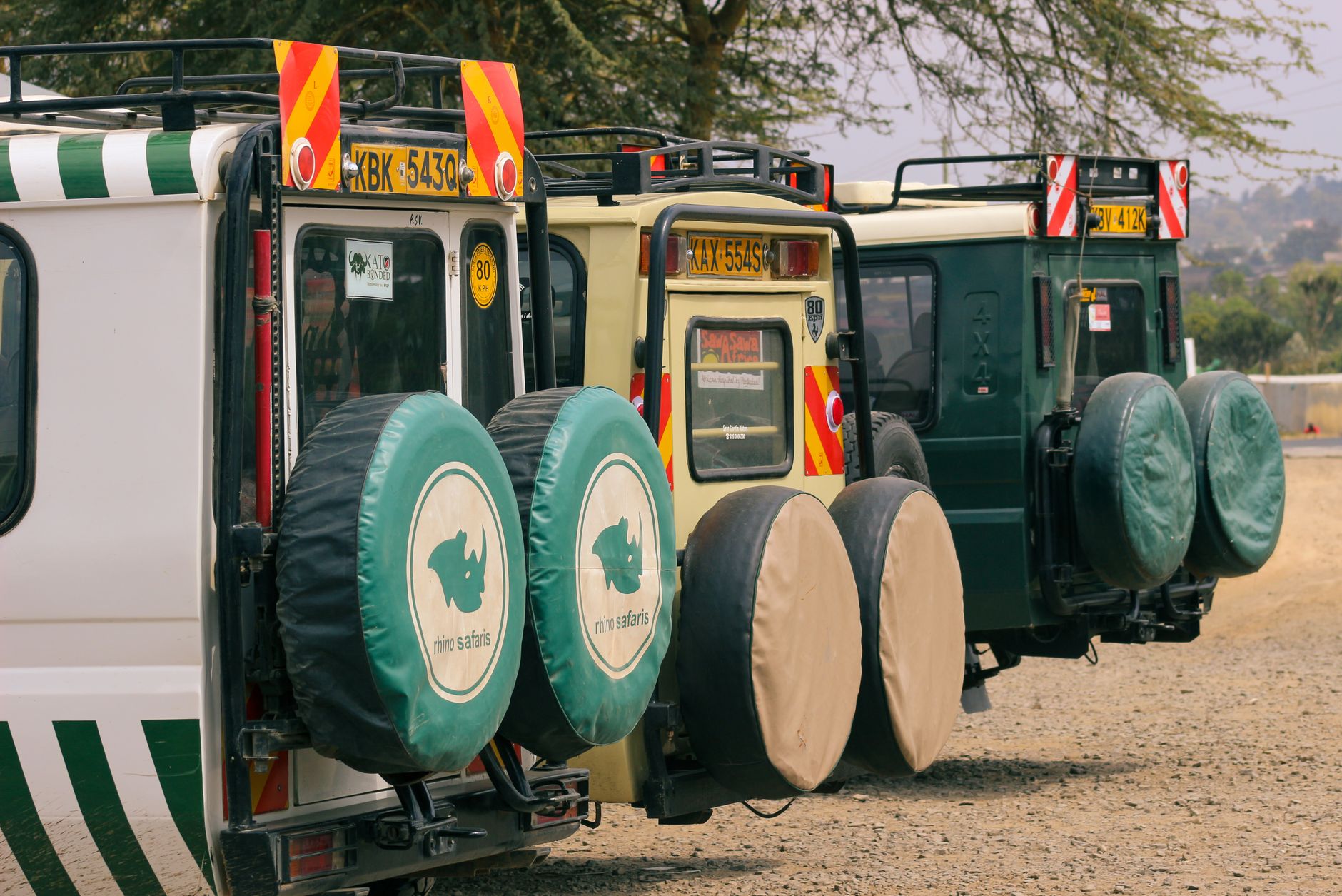
Selecting the right vehicle is crucial for a self-drive safari. Opt for a reliable 4×4 vehicle equipped with high ground clearance and off-road capabilities to navigate the challenging terrains often encountered in safari regions. Ensure the vehicle is well-maintained and equipped with essential tools, such as a spare tire, jack, and basic repair kit.
In addition to the vehicle, certain gear is indispensable for a successful safari. Binoculars and a good quality camera with a zoom lens are essential for wildlife viewing and photography. A GPS device or a reliable map is crucial for navigation, especially in remote areas where mobile signals may be weak or nonexistent.
Comfort and safety should also be prioritized when packing for a self-drive safari. Include items such as a cooler box for food storage, camping chairs, and a portable stove if you plan to cook. Additionally, ensure you have adequate sun protection, insect repellent, and a flashlight for nighttime activities.
- Choose a 4×4 vehicle with off-road capabilities.
- Pack binoculars and a camera for wildlife viewing.
- Include a GPS device and physical maps for navigation.
Understanding Local Wildlife and Safety Tips
A comprehensive understanding of local wildlife is essential for a safe and enjoyable self-drive safari. Research the behavior and habitats of the animals you are likely to encounter, as this knowledge will help you anticipate their movements and maintain a safe distance. Recognizing signs of aggression or distress in animals can prevent dangerous situations.
Safety precautions are paramount when navigating wildlife areas. Always remain inside your vehicle when observing animals, and avoid making loud noises or sudden movements that could startle them. It’s important to respect the natural environment and adhere to park rules, such as speed limits and designated viewing areas, to ensure both your safety and the welfare of the wildlife.
In addition to wildlife safety, personal safety should not be overlooked. Be vigilant about securing your belongings and locking your vehicle when unattended. Stay informed about any potential hazards in the area, such as weather conditions or road closures, and have a contingency plan in place for emergencies.
- Research animal behavior and habitats before your trip.
- Always stay inside your vehicle when near wildlife.
- Adhere to park rules and speed limits for safety.
Top Destinations for Self-Drive Safaris
Africa is home to some of the most renowned self-drive safari destinations, each offering unique wildlife experiences. Kruger National Park in South Africa is a popular choice, known for its diverse ecosystems and abundant wildlife, including the Big Five. Namibia’s Etosha National Park is another favorite, with its striking landscapes and vast salt pans that attract a variety of animals.
For those seeking lesser-known destinations, Botswana’s Moremi Game Reserve offers a more secluded experience with its rich biodiversity and stunning scenery. The Kgalagadi Transfrontier Park, spanning South Africa and Botswana, is ideal for those interested in observing predators like lions and cheetahs in their natural habitat.
In East Africa, Tanzania’s Serengeti National Park and Kenya’s Masai Mara offer unparalleled opportunities to witness the Great Migration, a breathtaking spectacle of millions of wildebeest and zebras. These destinations provide a perfect blend of adventure and tranquility, making them ideal for self-drive safari enthusiasts.
- Explore Kruger National Park for diverse wildlife sightings.
- Visit Etosha National Park for unique landscapes and animals.
- Consider Moremi Game Reserve for a secluded safari experience.
Comparing Costs: Self-Drive vs. Guided Safaris
Self-drive safaris can be more cost-effective than traditional guided tours, offering significant savings on guide fees and group tour expenses. By renting a vehicle and planning your own itinerary, you can allocate your budget towards other aspects of the trip, such as accommodation and park entry fees.
While self-drive safaris offer potential savings, it’s important to consider additional costs such as vehicle rental, fuel, and necessary equipment. However, these expenses can often be offset by the flexibility to choose budget-friendly accommodations and self-catering options, allowing travelers to manage their expenses more effectively.
Ultimately, the choice between a self-drive safari and a guided tour depends on personal preferences and budget considerations. For those seeking an independent adventure with the freedom to explore at their own pace, a self-drive safari offers a unique and rewarding experience. To start your journey, consider booking your vehicle through trusted providers. Book Your Self-Drive Safari Vehicle Now! A self-drive safari not only provides a cost-effective alternative but also allows for a more personalized and immersive experience in the wild.
- Compare vehicle rental costs with guided tour prices.
- Consider self-catering options to save on meals.
- Plan your itinerary to minimize fuel expenses.