
Shopping for Style: Fashion Capitals and Trends in 2026
Fashion Capitals and Trends 2026 are set to redefine the global style landscape, with iconic cities like Paris, Milan, and New York maintaining their status as trendsetters while new players emerge on the scene. This guide will navigate the evolving fashion capitals and the trends that will shape the industry in the coming year.
Exploring the Leading Fashion Capitals
Paris, Milan, and New York have long been the epicenters of fashion, each offering a unique blend of culture, history, and style. Paris, often dubbed the ‘Fashion Capital of the World,’ is renowned for its haute couture and luxury fashion houses such as Chanel and Louis Vuitton. Milan, with its rich history in textiles and craftsmanship, is home to fashion giants like Prada and Versace. New York, known for its diverse and dynamic fashion scene, hosts the prestigious New York Fashion Week, showcasing both established and emerging designers.
These cities are not only hubs for fashion shows but also for fashion education and innovation. Institutions like the Institut Français de la Mode in Paris and the Fashion Institute of Technology in New York attract aspiring designers from around the globe. The influence of these capitals extends beyond clothing, impacting global trends in accessories, footwear, and even lifestyle choices.
As we look towards 2026, these cities are expected to continue leading the charge in global fashion trends. They are likely to set the tone for the industry’s direction, influencing everything from color palettes to fabric choices. For fashion enthusiasts, visiting these capitals offers an unparalleled opportunity to experience the cutting edge of style firsthand.
- Visit the flagship stores of major fashion houses in Paris, Milan, and New York.
- Attend fashion weeks in these cities to witness the latest trends.
- Explore fashion museums and exhibitions for historical context.
Sustainable Fashion: The Future of Style
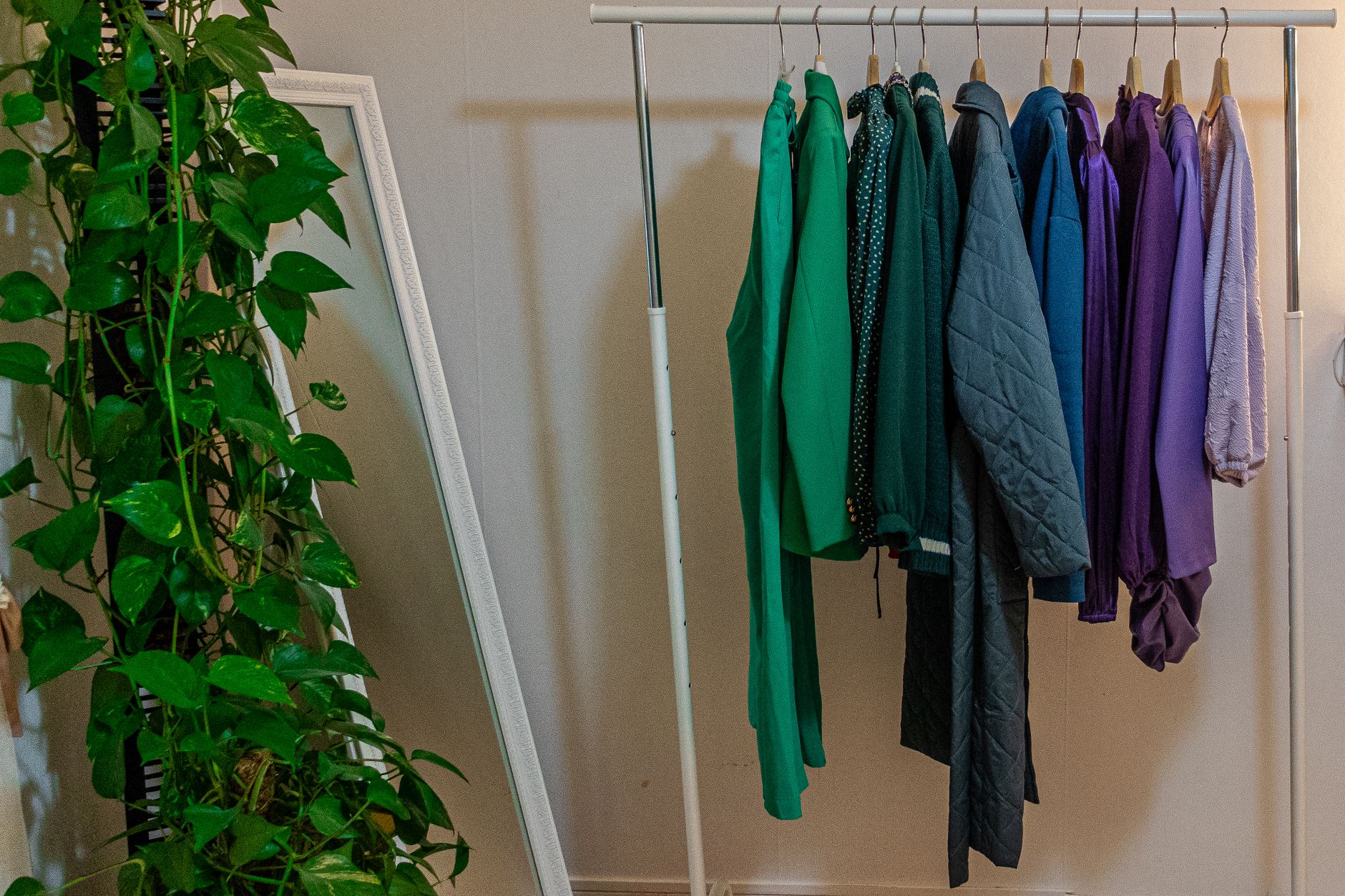
Sustainable fashion is anticipated to be a major trend in 2026, with a growing emphasis on eco-friendly materials and ethical production practices. As consumers become more environmentally conscious, brands are responding by adopting sustainable practices. This includes the use of organic fabrics, recycled materials, and transparent supply chains.
Leading fashion brands are increasingly incorporating sustainability into their core business models. Stella McCartney, for example, has been a pioneer in sustainable luxury fashion, using innovative materials like mushroom leather and recycled cashmere. Similarly, brands like Patagonia and Eileen Fisher are known for their commitment to environmental responsibility and fair labor practices.
The rise of sustainable fashion is not just a trend but a necessary shift in the industry. As the effects of climate change become more apparent, the fashion industry is under pressure to reduce its environmental footprint. Consumers are demanding more than just style; they want to know that their purchases are not harming the planet.
- Look for brands that prioritize sustainable materials and ethical production.
- Support local designers who focus on eco-friendly fashion.
- Educate yourself on the environmental impact of different fabrics.

Handy Tool: To make your next trip seamless, secure, and stress-free, use our recommended platform below:
Technology’s Role in Fashion Trends
Technology is playing an increasingly significant role in shaping fashion trends, with innovations like smart clothing and wearable tech gaining popularity. Smart fabrics that can change color or monitor health metrics are no longer just concepts but are being integrated into everyday fashion.
The use of 3D printing in fashion is revolutionizing the way garments are designed and produced. Designers can now create intricate patterns and structures that were previously impossible with traditional methods. This technology not only allows for greater creativity but also reduces waste by enabling on-demand production.
Virtual reality (VR) and augmented reality (AR) are transforming the shopping experience, allowing consumers to try on clothes virtually before making a purchase. These technologies are expected to become more prevalent in 2026, offering a seamless blend of digital and physical retail experiences.
- Explore brands that incorporate smart technology into their designs.
- Stay updated on the latest tech innovations in fashion.
- Consider investing in wearable tech for both style and functionality.
Emerging Fashion Capitals in Asia
Asia is becoming an influential player in the global fashion scene, with cities like Seoul and Tokyo leading the charge. These cities are known for their unique blend of traditional and modern styles, offering a fresh perspective on fashion.
Seoul, in particular, has gained recognition for its vibrant street style and innovative designers. The city’s fashion week has become a platform for showcasing cutting-edge designs that often blend Western and Eastern influences. Similarly, Tokyo’s fashion scene is renowned for its bold and avant-garde styles, with districts like Harajuku serving as hubs for fashion experimentation.
As these cities continue to grow in influence, they are attracting attention from global fashion brands and media. This shift is not only diversifying the fashion landscape but also highlighting the cultural richness and creativity of Asian fashion.
- Visit Seoul and Tokyo to experience their unique fashion scenes.
- Explore local boutiques and markets for one-of-a-kind pieces.
- Attend fashion events in these cities to discover emerging designers.
The Rise of Vintage and Second-Hand Shopping
Vintage and second-hand shopping are expected to remain popular in 2026 as consumers seek unique and sustainable options. This trend is driven by a growing awareness of the environmental impact of fast fashion and a desire for individuality in personal style.
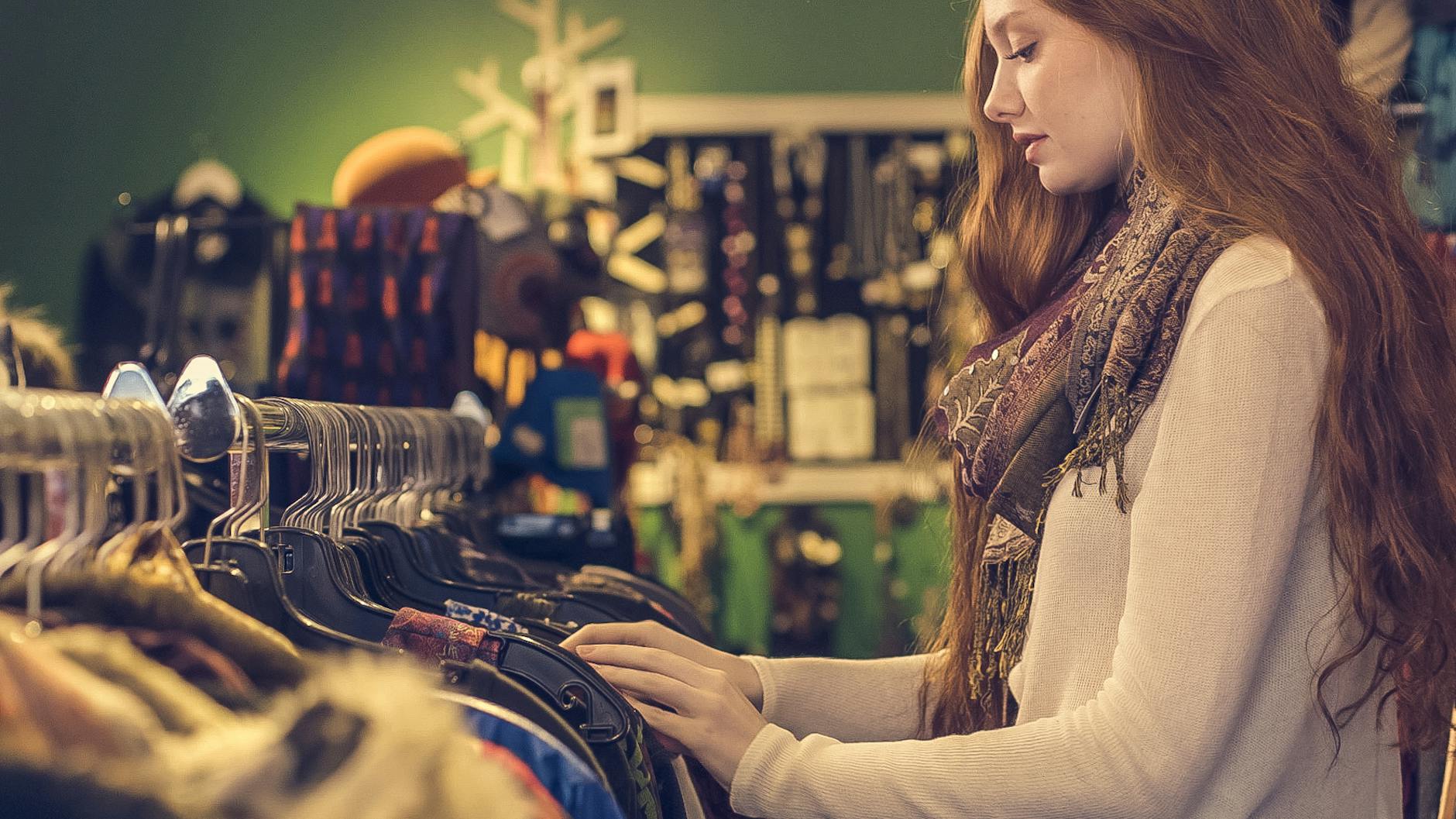
Vintage shops and thrift stores offer a treasure trove of unique pieces that cannot be found in mainstream retail outlets. These stores often carry high-quality garments from past decades, allowing fashion enthusiasts to create distinctive looks that stand out from the crowd.
The rise of online platforms dedicated to second-hand fashion, such as Depop and ThredUp, has made it easier than ever to buy and sell pre-loved clothing. These platforms not only promote sustainability but also foster a sense of community among fashion-conscious consumers.
- Explore local thrift stores and vintage shops for unique finds.
- Use online platforms to buy and sell second-hand clothing.
- Mix vintage pieces with modern styles for a personalized look.
Where to Shop for Specific Styles
Finding the right place to shop for specific styles can enhance your fashion experience. For luxury fashion, cities like Paris and Milan offer a plethora of high-end boutiques and designer flagship stores. These cities are ideal for those seeking the latest in haute couture and luxury accessories.
For streetwear and contemporary fashion, cities like New York and Tokyo provide a vibrant mix of established brands and emerging designers. In New York, neighborhoods like SoHo and Williamsburg are known for their eclectic mix of fashion-forward shops. Tokyo’s Harajuku district is a must-visit for anyone interested in bold and experimental street style.
Those interested in sustainable fashion will find a growing number of eco-friendly boutiques in cities like Los Angeles and Copenhagen. These cities are at the forefront of the sustainable fashion movement, offering a range of options from organic cotton basics to high-end sustainable luxury.
- Research the best shopping districts in each city for your preferred style.
- Visit local markets and pop-up shops for unique fashion finds.
- Seek out boutiques that specialize in sustainable and ethical fashion.
Tips for Fashion-Forward Travel in 2026
Traveling with a fashion-forward mindset in 2026 involves more than just packing stylish outfits. It’s about immersing yourself in the local fashion culture and staying ahead of the trends. Start by researching the fashion capitals and trends 2026 to plan your itinerary around major fashion events and exhibitions.
Consider the climate and cultural norms of your destination when packing your wardrobe. Lightweight, versatile pieces are ideal for travel, allowing you to mix and match outfits easily. Incorporate accessories that can transform your look from day to night, ensuring you are prepared for any occasion.
Stay connected with local fashion influencers and bloggers for insider tips on the best places to shop and dine. Engaging with the local fashion community can provide valuable insights and enhance your travel experience. As you explore the fashion capitals and trends 2026, remember to embrace the diversity and creativity that each destination offers.
- Plan your travel around major fashion events and exhibitions.
- Pack versatile clothing and accessories for easy outfit changes.
- Connect with local fashion influencers for insider tips.