
Travel Tips for 2026: Embracing Virtual Reality Tours Before You Go
Virtual reality tours are revolutionizing the way travelers explore and plan their journeys. By offering immersive previews of destinations, these tours help travelers make informed decisions and enhance their travel experiences. With the rapid advancement of VR technology, these tours are becoming increasingly accessible and affordable, making them an essential tool for modern travelers.
Understanding Virtual Reality Tours
Virtual reality tours leverage cutting-edge technology to create immersive, 360-degree experiences of destinations worldwide. These tours use high-resolution imagery and interactive elements to simulate real-world environments, allowing users to explore locations as if they were physically present. This technology has evolved significantly, providing users with a realistic sense of scale, depth, and atmosphere, which traditional media cannot replicate.
The core technology behind virtual reality tours includes panoramic photography, 3D modeling, and augmented reality elements. These components work together to create a seamless experience that can be accessed via VR headsets, smartphones, or computers. As VR technology continues to improve, the quality and realism of these tours are expected to enhance, offering even more detailed and engaging experiences.
Virtual reality tours are not just limited to popular tourist attractions; they also offer insights into local culture, history, and hidden gems. This comprehensive approach allows travelers to gain a deeper understanding of their chosen destinations, making these tours an invaluable resource for both first-time visitors and seasoned travelers looking to discover something new.
- Explore VR tours using a compatible headset for the most immersive experience.
- Check for interactive elements within the tour to enhance engagement.
- Use VR tours to familiarize yourself with the layout of large attractions.

Benefits of Virtual Reality Tours for Travelers
Virtual reality tours offer numerous benefits for travelers, starting with the ability to experience destinations virtually before visiting. This capability helps reduce uncertainty and anxiety about what to expect, allowing travelers to make more informed decisions about their itineraries. By previewing attractions, travelers can prioritize which sites to visit based on their interests and time constraints.
Another significant advantage of VR tours is their role in itinerary planning. By providing a realistic preview of destinations, travelers can better allocate their time and resources, ensuring they make the most of their trips. This planning tool is particularly useful for destinations with numerous attractions, where it can be challenging to decide what to see and do.
As VR technology becomes more accessible and affordable, more travelers can take advantage of these tours. This democratization of technology means that even those on a budget can explore the world virtually, gaining valuable insights and enhancing their travel experiences. Additionally, VR tours can provide context and background information before arrival, enriching the overall travel experience.
- Use VR tours to identify must-see attractions before booking your trip.
- Incorporate VR tours into your travel research to enhance your understanding of the destination.
- Leverage VR tours to discover off-the-beaten-path locations that might not be in guidebooks.
Handy Tool: To make your next trip seamless, secure, and stress-free, use our recommended platform below:
How to Access Virtual Reality Tours
Accessing virtual reality tours is straightforward and can be done through various platforms. Many travel websites and tourism boards offer VR tours directly on their websites, allowing users to explore destinations without needing additional software. These tours can often be viewed on any device with internet access, including smartphones, tablets, and computers.
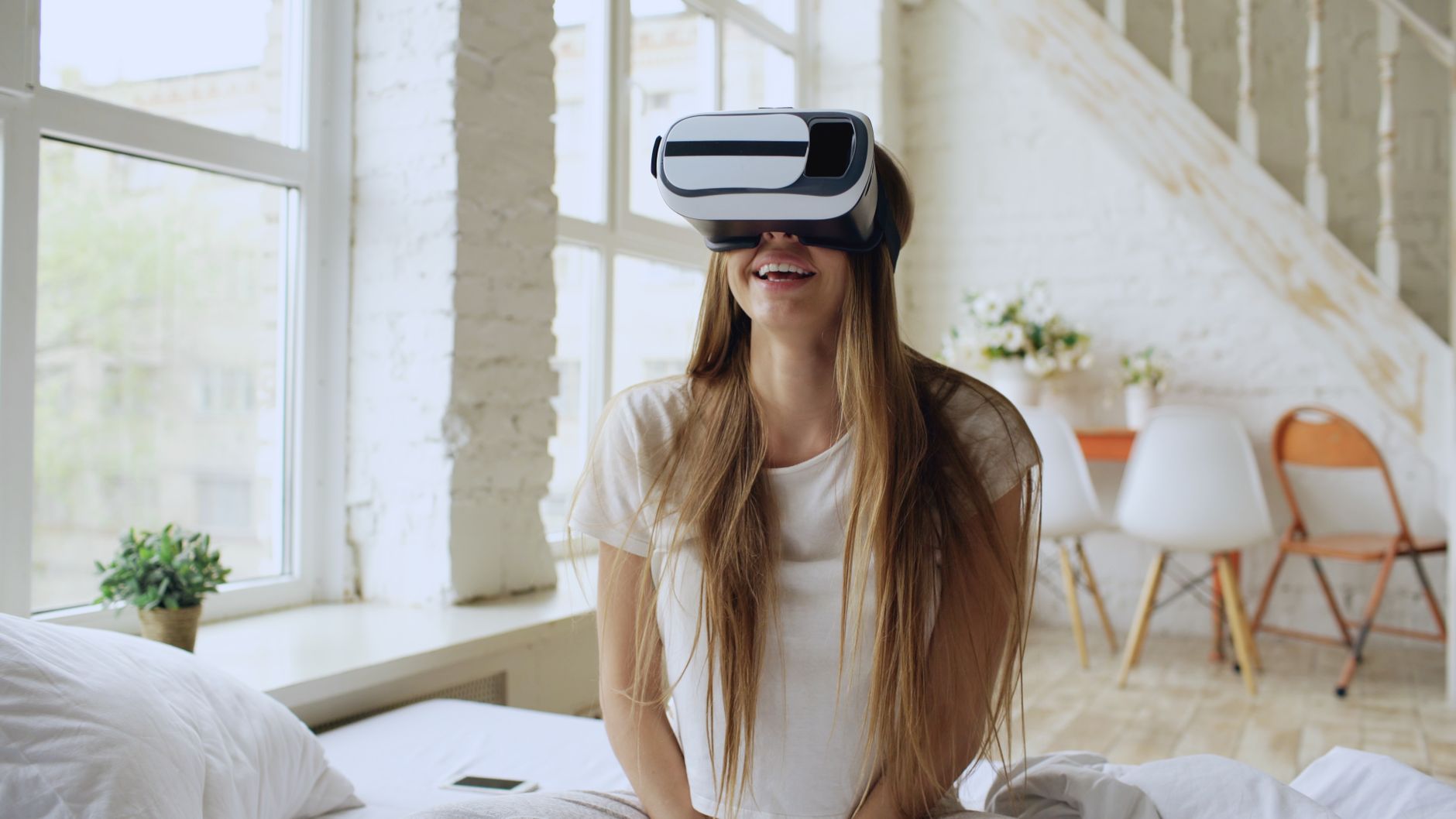
For a more immersive experience, VR headsets such as Oculus Rift, HTC Vive, or even affordable options like Google Cardboard can be used. These devices provide a more engaging experience by offering a 360-degree view and interactive elements. Users can navigate through the tour using head movements or controllers, making the experience more interactive and lifelike.
Additionally, several apps and platforms specialize in virtual reality tours, providing a wide range of destinations and experiences. These platforms often include user reviews and ratings, helping travelers choose the best tours for their interests. As VR technology continues to advance, the availability and quality of these tours are expected to improve, offering even more options for travelers.
- Visit official tourism websites for free VR tours of popular destinations.
- Invest in a VR headset for a more immersive tour experience.
- Explore VR tour apps for a wide selection of destinations and experiences.
Top Destinations Offering Virtual Reality Experiences
Several destinations have embraced virtual reality technology to enhance their tourism offerings. Cities like Paris, Rome, and Tokyo offer VR tours of their most iconic landmarks, allowing travelers to explore these sites from the comfort of their homes. These tours provide detailed insights into the history and significance of each location, enriching the travel experience.
In addition to major cities, natural attractions such as the Grand Canyon, Great Barrier Reef, and the Amazon Rainforest are also available as virtual reality tours. These experiences offer a unique perspective on some of the world’s most breathtaking natural wonders, allowing travelers to appreciate their beauty and scale without the need for physical travel.
Cultural experiences are another area where VR tours excel. Museums, historical sites, and cultural festivals can be explored virtually, providing travelers with a deeper understanding of the local culture and traditions. This aspect of VR tours is particularly valuable for those interested in cultural tourism, as it offers an opportunity to engage with the destination on a more meaningful level.
- Explore iconic landmarks in cities like Paris and Rome through VR tours.
- Experience natural wonders like the Grand Canyon and Great Barrier Reef virtually.
- Engage with cultural sites and festivals to enhance your understanding of local traditions.
Integrating VR Tours into Your Travel Planning
Integrating virtual reality tours into your travel planning process can significantly enhance your travel experience. By using VR tours to research destinations, travelers can create more informed and efficient itineraries. This approach allows travelers to prioritize attractions based on personal interests and time constraints, ensuring a more fulfilling travel experience.
VR tours can also help travelers identify potential challenges or considerations before arriving at a destination. For example, understanding the layout of a large museum or the accessibility of a historical site can help travelers plan their visits more effectively. This foresight can reduce stress and improve the overall travel experience by minimizing unexpected surprises.
As VR technology continues to evolve, its integration into travel planning is becoming more seamless. Many travel agencies and tour operators now offer VR tours as part of their services, providing travelers with a comprehensive planning tool. By incorporating virtual reality tours into your travel planning, you can enhance your understanding of destinations and make more informed decisions, ultimately leading to a more enjoyable and rewarding travel experience.
- Use VR tours to create a detailed itinerary before your trip.
- Identify potential challenges or considerations through VR tours.
- Incorporate VR tours into your travel agency’s planning services.
The Future of Virtual Reality in Travel
The future of virtual reality in travel is promising, with ongoing advancements in technology set to enhance the quality and accessibility of VR tours. As hardware becomes more affordable and software more sophisticated, the realism and interactivity of these tours are expected to improve, offering travelers even more immersive experiences.
Emerging technologies such as augmented reality (AR) and artificial intelligence (AI) are also being integrated into VR tours, providing additional layers of information and personalization. These advancements will allow travelers to customize their virtual experiences, tailoring them to their specific interests and preferences. This level of customization is expected to make VR tours even more appealing to a broader audience.
As virtual reality tours continue to evolve, they will play an increasingly important role in the travel industry. By providing travelers with a realistic preview of destinations, VR tours can enhance the travel experience and reduce uncertainty. The continued development of VR technology will ensure that these tours remain a valuable tool for travelers, offering new and exciting ways to explore the world. Virtual reality tours are set to become an integral part of the travel planning process, providing travelers with unparalleled insights and experiences.
- Stay updated on the latest VR technology advancements for travel.
- Explore AR and AI integrations for more personalized VR experiences.
- Consider VR tours as a standard part of your travel planning toolkit.