
Airline Pricing Algorithms
Airline pricing algorithms are a sophisticated blend of data analysis and market strategy, crucial for setting competitive ticket prices. These algorithms are designed to optimize revenue by adjusting fares based on a multitude of factors, including demand forecasting, competition, and historical data analysis. Understanding these algorithms is essential for aviation industry professionals, data scientists, and frequent flyers aiming to navigate the complexities of airline ticket pricing.
Introduction to Airline Pricing Algorithms
Airline pricing algorithms are integral to the revenue management strategies of airlines. They enable airlines to dynamically adjust ticket prices in response to various market conditions. These algorithms take into account historical data, current demand, and competitive pricing to set fares that maximize revenue while remaining attractive to consumers.
The complexity of these algorithms stems from their ability to process vast amounts of data and predict consumer behavior. This predictive capability allows airlines to adjust prices up to 130 times before a flight’s departure, ensuring that they remain competitive and profitable.
- Historical data analysis for demand forecasting
- Real-time market condition adjustments
- Competitive pricing strategies
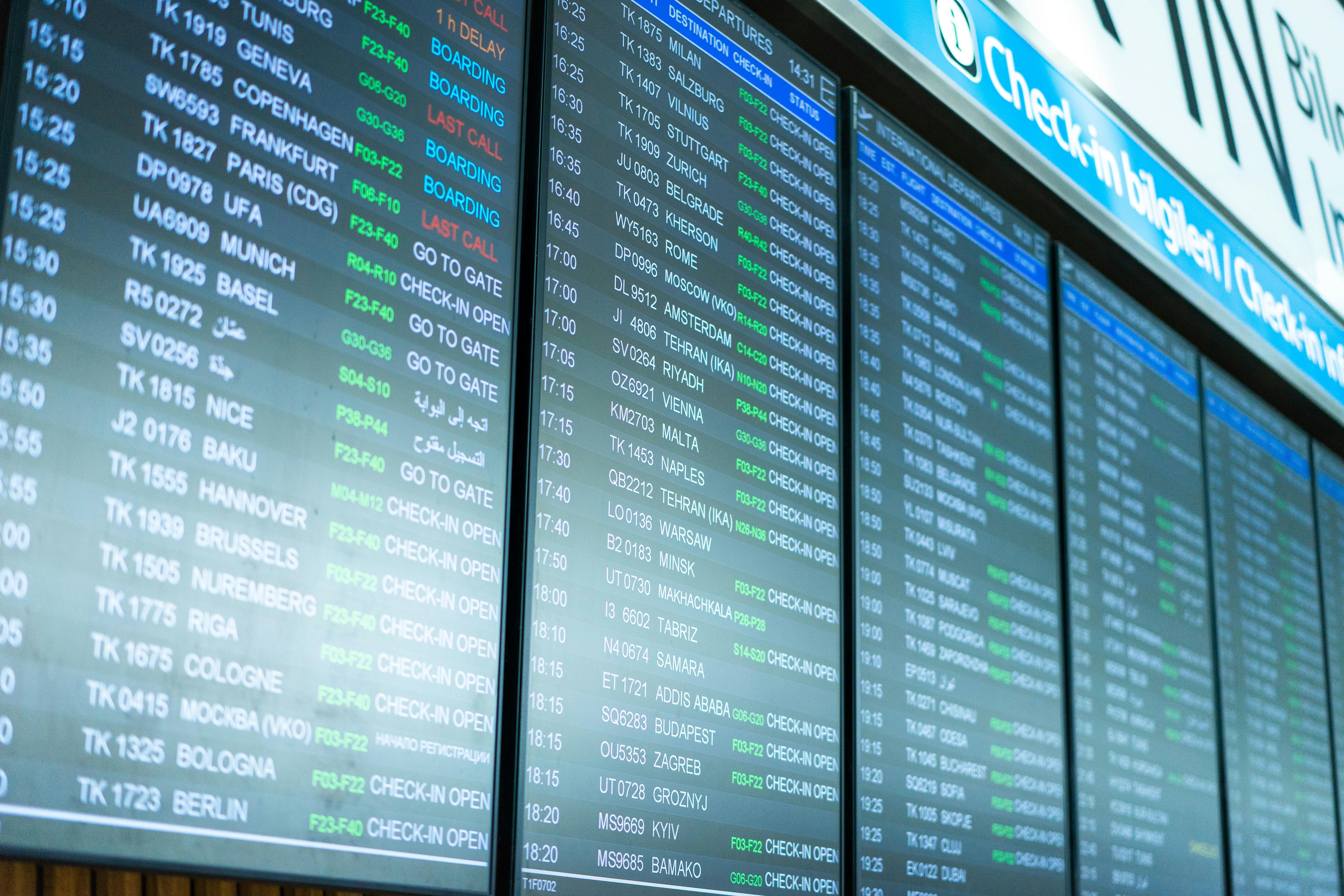
Key Factors Influencing Airline Ticket Prices
Several key factors influence airline ticket prices, including demand, competition, and operational costs. Demand forecasting is a critical component, as airlines use historical data and market trends to predict the number of passengers for a given flight.
Competition also plays a significant role, with airlines adjusting their prices based on the fares offered by competitors. Additionally, operational costs such as fuel prices and labor costs can impact ticket pricing.
- Demand forecasting using historical data
- Competitive pricing analysis
- Operational cost considerations

The Role of Dynamic Pricing in Airlines
Dynamic pricing is a pivotal aspect of airline pricing algorithms, allowing airlines to adjust fares in real-time based on current demand and remaining seat inventory. This approach ensures that airlines can maximize revenue by capitalizing on high-demand periods while remaining competitive during low-demand times.
Advanced software systems like PROS Revenue Management and SabreSonic Inventory are employed to facilitate dynamic pricing, utilizing machine learning to predict booking patterns and optimize pricing strategies.
- Real-time fare adjustments based on demand
- Utilization of machine learning for booking predictions
- Optimization of pricing strategies using advanced software

Understanding Fare Classes and Their Impact
Airlines use over 25 different fare classes to segment pricing, each with its own set of rules and conditions. These fare classes allow airlines to offer a range of prices for the same flight, catering to different customer needs and maximizing revenue.
Fare classes are differentiated based on factors such as refundability, change fees, and booking conditions. Understanding these classes can help frequent flyers make informed decisions and potentially secure better deals.
- Over 25 fare classes used for pricing segmentation
- Differentiation based on refundability and change fees
- Impact on customer decision-making and revenue optimization
Strategies for Finding Lower Airfares
Frequent flyers can employ several strategies to find lower airfares, leveraging their understanding of airline pricing algorithms. Monitoring fare changes and booking during off-peak times can lead to significant savings.
Utilizing fare comparison tools and setting up alerts for price drops are effective methods for securing lower fares. Additionally, being flexible with travel dates and times can increase the likelihood of finding cheaper tickets.
- Monitor fare changes and book during off-peak times
- Use fare comparison tools and set up price alerts
- Be flexible with travel dates and times