
Airport Emergency Guide
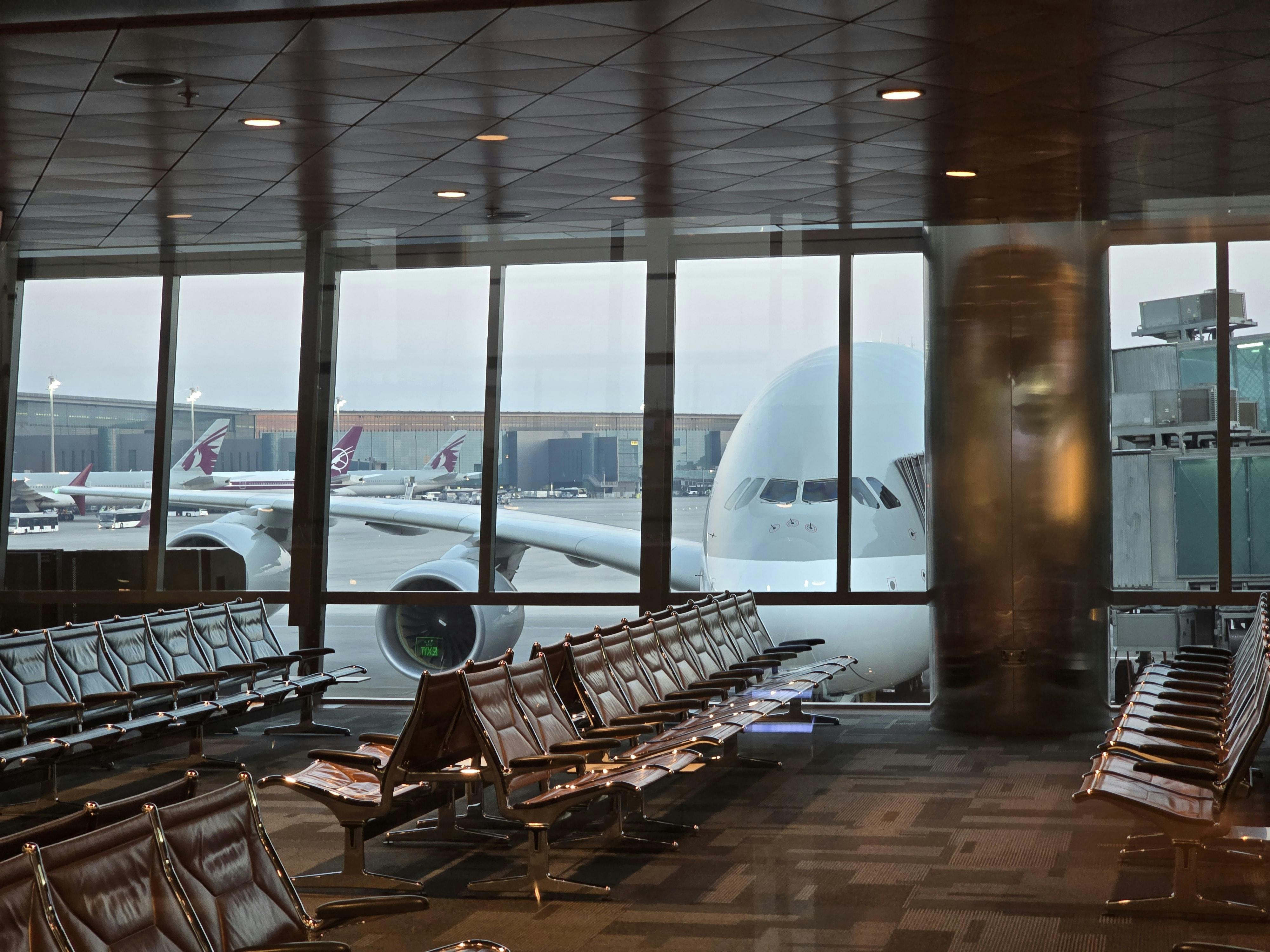
Picture yourself navigating the bustling terminals of a major airport when suddenly, the unexpected happens. An emergency situation unfolds, and you’re caught in the midst of it. Knowing what to do can make all the difference. That’s where an airport emergency guide becomes your best ally. From understanding how airports coordinate their responses to knowing exactly where life-saving resources are located, this guide will arm you with the knowledge to handle any unforeseen event with confidence.
Understanding Airport Emergency Protocols
Airports are like small cities, and just like any city, they have a plan for emergencies. The backbone of this plan is the Emergency Operations Center (EOC). Think of the EOC as the nerve center, coordinating every response and ensuring that communication flows seamlessly. The International Civil Aviation Organization (ICAO) mandates that these centers are in place to handle everything from minor incidents to major crises.
Regular drills and simulations are part of the protocol, ensuring that staff are prepared for any scenario. In fact, ICAO requires a full-scale emergency exercise every two years, putting both personnel and systems to the test. This rigorous preparation means that when the unexpected occurs, airports are ready to respond quickly and efficiently.
- Locate the Emergency Operations Center (EOC) in your airport for peace of mind.
- Understand the role of regular emergency drills in maintaining airport safety.

Key Safety Measures at Airports
Safety at airports is built on a foundation of strategic planning and resource allocation. One of the most critical resources available are Automated External Defibrillators (AEDs). These devices are life-savers, quite literally, and airports are required to have them accessible within a 3-minute walk in high-traffic areas. This ensures that in the event of a cardiac emergency, help is never far away.
Moreover, the presence of visible signage and trained personnel ready to assist at a moment’s notice enhances the overall safety environment. Whether you’re a frequent flyer or an aviation professional, knowing these resources are in place can provide a sense of security and preparedness.
- Identify the nearest Automated External Defibrillator (AED) upon arrival at the airport.
- Familiarize yourself with emergency exit routes and safety signage.
Role of the Emergency Operations Center (EOC)
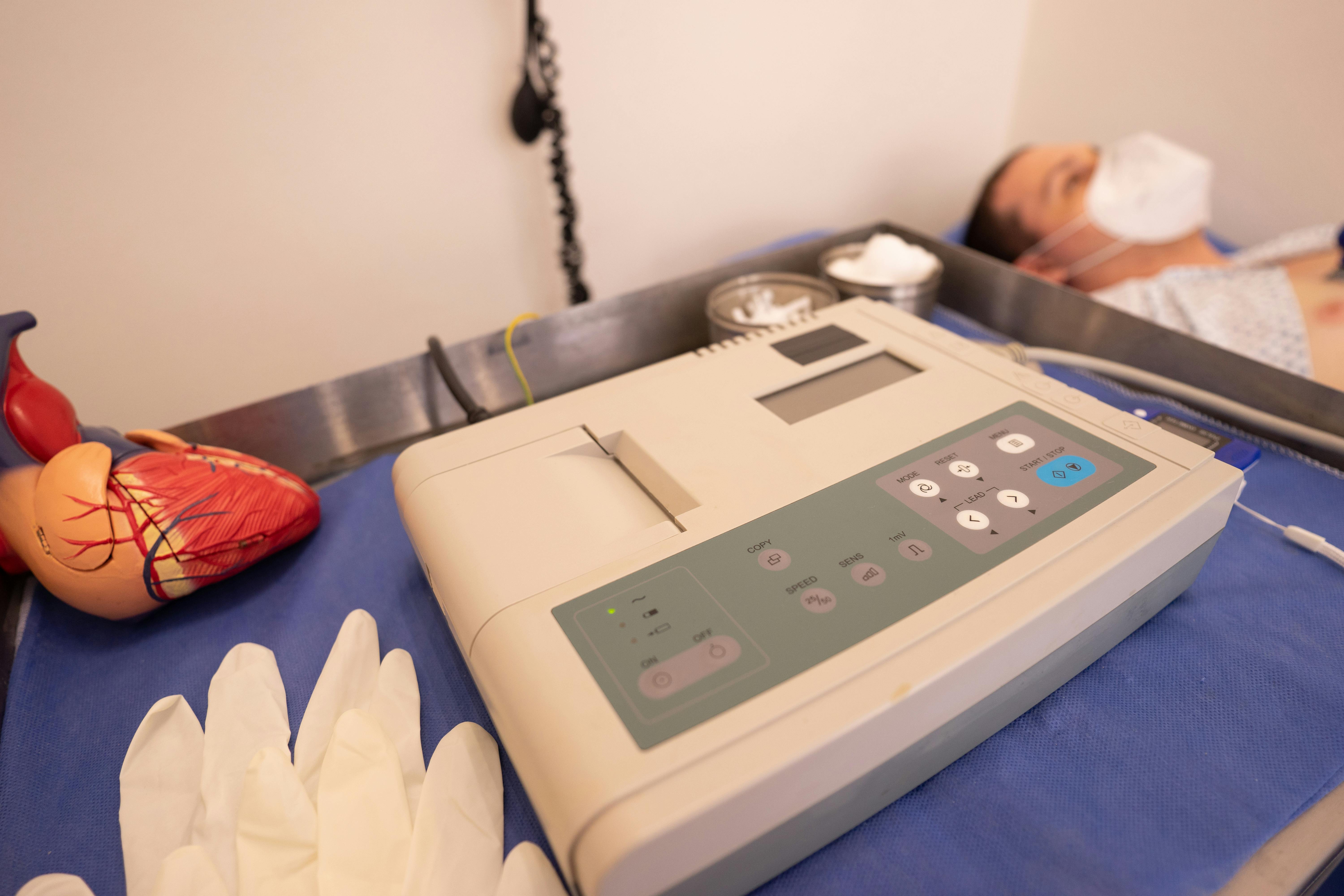
In the heart of every airport’s emergency preparedness plan lies the Emergency Operations Center (EOC). This is where the magic happens during a crisis. Staffed by trained professionals, the EOC coordinates all aspects of the emergency response, ensuring that every action is synchronized and effective.
The EOC’s role is crucial, especially in high-stakes situations where seconds count. By managing communications and resources, the EOC ensures that the right people are in the right place at the right time, minimizing chaos and maximizing efficiency.
- Understand the EOC’s role in maintaining order during emergencies.
- Learn how the EOC coordinates with other emergency services for a unified response.
Importance of Automated External Defibrillators (AED)
Imagine the peace of mind knowing that should a cardiac emergency arise, help is just steps away. Automated External Defibrillators (AEDs) are strategically placed throughout airports to ensure a rapid response. These devices are user-friendly, providing clear instructions to even the most untrained bystander, which can be critical in saving a life.
Airports have embraced this life-saving technology, making AEDs an integral part of their safety strategy. With every minute counting in a cardiac event, the accessibility of AEDs is a testament to the airport’s commitment to passenger safety.
- Locate AEDs in high-traffic areas upon entering the airport.
- Understand how to operate an AED in case of an emergency.
Airport Rescue and Firefighting (ARFF) Services
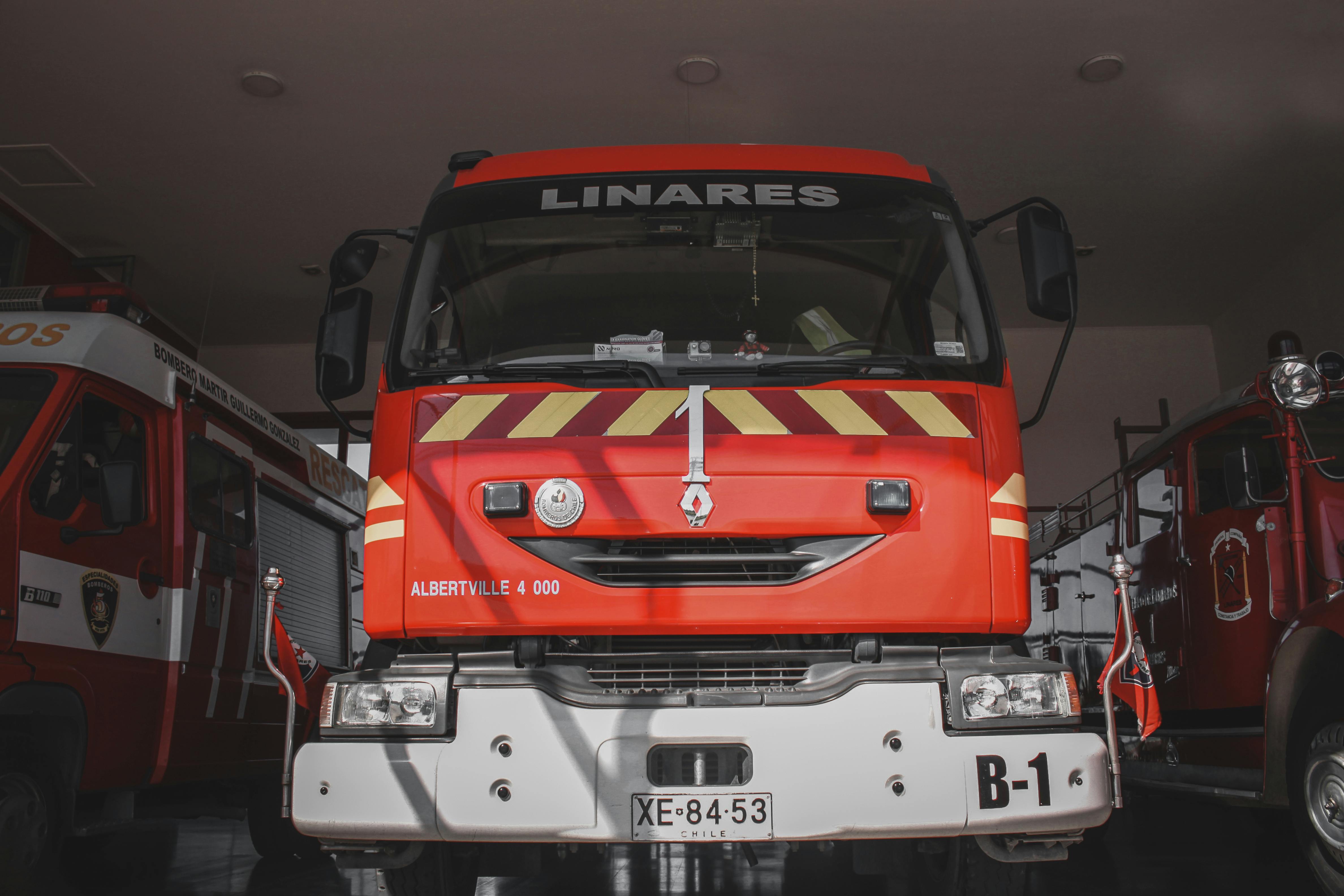
When it comes to emergencies involving aircraft, the Airport Rescue and Firefighting (ARFF) services are the first responders. These highly trained teams are equipped to handle a variety of situations, from aircraft fires to medical emergencies. Their ability to reach the midpoint of the furthest runway within 3 minutes of an alarm is nothing short of impressive.
ARFF services are not just about speed; they’re about expertise. With specialized training and equipment, they are prepared to tackle any challenge that comes their way, ensuring that passengers and crew are safe and secure.
- Recognize the role of ARFF in airport safety and emergency response.
- Learn about the training and capabilities of ARFF personnel.
Passenger Evacuation Procedures
In the rare event of an evacuation, efficiency is key. Passenger evacuation slides are designed to deploy within 6 seconds, supporting a descent rate of 2 passengers per second. This rapid deployment ensures that everyone can exit the aircraft quickly and safely.
Understanding the evacuation procedures can make a significant difference in an emergency. Familiarize yourself with the process and follow the crew’s instructions to ensure a swift and orderly evacuation.
- Familiarize yourself with the location and operation of evacuation slides.
- Follow crew instructions promptly during an evacuation for your safety.