
Layered Packing For Extreme Weather
Imagine stepping onto the icy tundra, where the air bites with a ferocity that only the most prepared travelers can withstand. As you brace against the chill, you’ll be thankful for mastering the art of layered packing for extreme weather. This isn’t just about staying warm; it’s about crafting a strategic shield against the elements, ensuring every step of your journey is comfortable, efficient, and memorable.
Understanding the Layering System
Ah, the layering system—a traveler’s best friend when venturing into harsh climates. It’s not just about piling on clothes; it’s a strategic dance between protection and flexibility. Your first line of defense is the base layer, which wicks moisture away from your skin, keeping you dry and comfortable. Then comes the mid-layer, your personal heater, trapping body heat while allowing breathability. Finally, the outer layer stands guard against wind and water, ensuring no storm can breach your defenses.
The beauty of this system lies in its adaptability. Whether you’re navigating the icy winds of the polar regions or scaling high-altitude peaks, layering allows you to adjust to the ever-changing weather. Remember, it’s not just about warmth; it’s about maintaining your body’s microclimate, and doing so with efficiency.
- Base layer: Opt for Merino wool for its moisture-wicking and odor-resistant properties.
- Mid-layer: Choose Polartec fleece for excellent warmth and breathability.
- Outer layer: Look for Gore-Tex fabric for reliable wind and water protection.
Choosing the Right Base Layers
The base layer is your skin’s first ally against the cold. Merino wool reigns supreme here, thanks to its natural ability to wick moisture and resist odors. When selecting your base layer, pay attention to the fabric weight, which should range between 150-250 g/m² for cold conditions. This ensures you stay dry and comfortable, no matter how intense your adventure gets.
It’s not just about the material; fit matters too. A snug base layer ensures optimal moisture management and warmth retention. So, when you’re packing for that next big adventure, remember: the right base layer sets the foundation for your comfort.
- Select base layers with a fabric weight of 150-250 g/m² for cold conditions.
- Ensure a snug fit for optimal moisture management and warmth retention.
Selecting Mid-Layers for Warmth
Your mid-layer is the unsung hero of your ensemble, providing that crucial warmth without the bulk. Polartec fleece is a top choice, offering excellent breathability while trapping heat. It’s lightweight yet effective, making it perfect for those chilly mountain mornings.
When choosing a mid-layer, consider the activity level of your adventure. If you’re expecting high exertion, opt for lighter insulation to avoid overheating. But if your journey involves more downtime in the cold, a thicker fleece or even a PrimaLoft insulated jacket might be your best bet.
- Choose Polartec fleece for a balance of warmth and breathability.
- Consider activity level: lighter insulation for high exertion, thicker for downtime.

Outer Layers: Protection Against the Elements
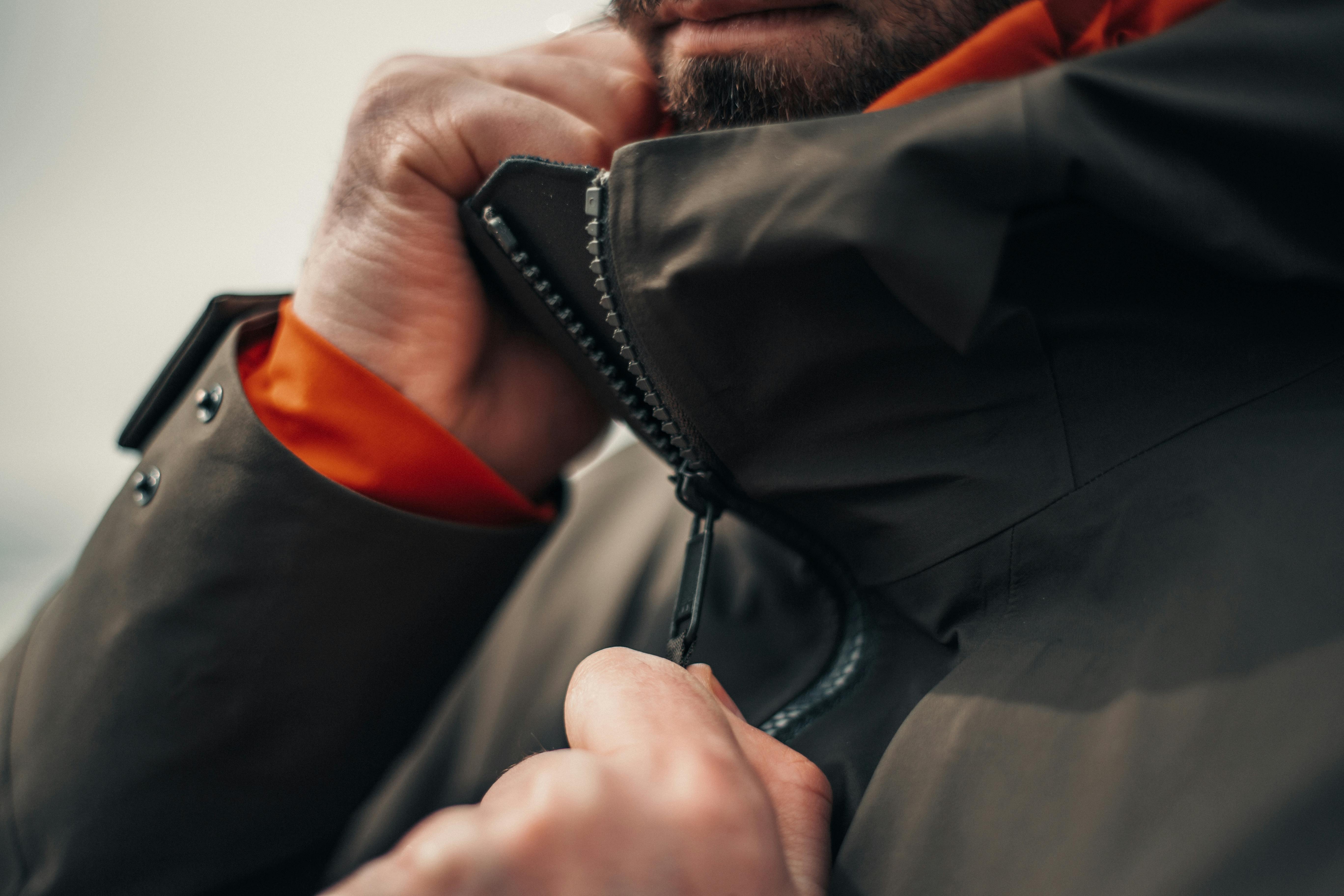
The outer layer is your fortress against the elements. For this, Gore-Tex is your go-to fabric, offering unparalleled protection against wind and water while allowing moisture to escape. Look for jackets with a waterproof rating of at least 10,000 mm to ensure you stay dry even in heavy rain or snow.
But don’t just stop at waterproofing; consider breathability and fit as well. A well-fitted jacket not only keeps you dry but also allows for ease of movement, crucial when you’re navigating challenging terrains.
- Select Gore-Tex fabric for wind and water protection with breathability.
- Ensure a waterproof rating of at least 10,000 mm for extreme weather conditions.
Tips for Efficient Packing
Packing for extreme weather doesn’t mean lugging around a suitcase the size of a small car. It’s about smart choices and multifunctional gear. Aim to keep your pack weight under 20% of your body weight, ensuring mobility without sacrificing comfort.
Consider items like a high fill power down jacket, which offers superior warmth with less bulk. This is where layered packing for extreme weather shines—by selecting versatile pieces that serve multiple functions, you can reduce your load while staying prepared for anything nature throws your way.
- Keep pack weight under 20% of your body weight for optimal mobility.
- Choose a down jacket with a fill power of 600 or higher for lightweight warmth.