
Summer Coastal Road Trip With Kids
Embarking on a summer coastal road trip with kids requires strategic planning to ensure a balance between scenic drives and engaging activities. Families can explore less crowded destinations like The Lost Coast in California, which offers solitude and nature exploration, or the Schoodic Peninsula in Acadia National Park, Maine, known for its family-friendly biking and hiking trails.
Planning Your Summer Coastal Road Trip
When planning a summer coastal road trip with kids, consider the logistics of travel time and the interests of your children. The average cost of renting a family-sized RV for a week ranges from $1,200 to $2,500, depending on the season and location. This allows for flexibility and comfort during your travels.
It’s recommended to limit driving to 4-5 hours per day to accommodate breaks and activities. This ensures that children remain engaged and the journey is enjoyable for everyone.
- Research family-friendly destinations along the coast.
- Plan your route to include a mix of scenic drives and interactive experiences.
- Budget for accommodations and entry fees, such as the $30 vehicle pass for Acadia National Park.
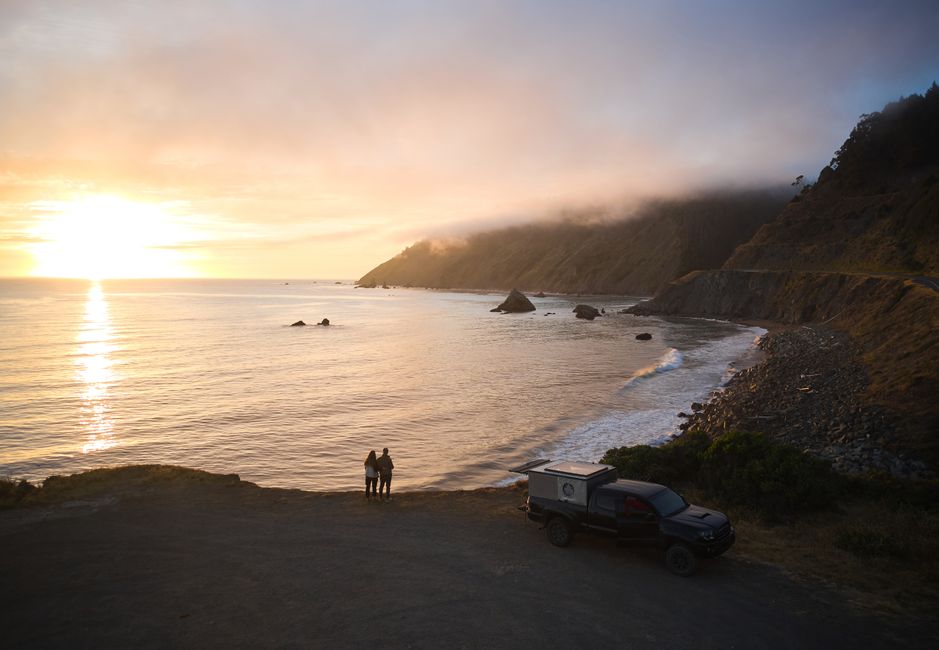
Top Family-Friendly Stops Along the Coast
The Lost Coast in California offers a remote and rugged experience, perfect for families seeking solitude and nature exploration. Its untouched beauty provides a unique backdrop for hiking and beachcombing.
Cape Perpetua Scenic Area in Oregon is another excellent stop, featuring tide pools, hiking trails, and a visitor center with educational programs for kids. This area combines natural beauty with learning opportunities.
- The Lost Coast, California – Ideal for nature exploration.
- Cape Perpetua Scenic Area, Oregon – Features tide pools and educational programs.
- Schoodic Peninsula, Maine – Offers family-friendly biking and hiking trails.

Balancing Driving Time and Kid Activities
Balancing driving time with activities is crucial for a successful road trip. Limiting driving to 4-5 hours per day allows for ample time to explore attractions and engage in activities that interest children.
Frequent stops at natural attractions, such as tide pools and hiking trails, keep children active and engaged, preventing restlessness during long drives.
- Plan for frequent breaks to explore natural attractions.
- Incorporate educational stops, like visitor centers, to provide learning opportunities.
- Adjust your itinerary based on the energy levels and interests of your children.

Safe and Engaging Activities for Children
Ensuring safety while keeping children entertained is a priority. Activities like exploring tide pools at Cape Perpetua or biking on the Schoodic Peninsula offer safe and engaging experiences.
Visitor centers often provide educational programs that are both informative and entertaining for children, making them a valuable stop on your itinerary.
- Tide pooling at Cape Perpetua – Safe and educational.
- Biking on family-friendly trails at Schoodic Peninsula.
- Participating in educational programs at visitor centers.
Budgeting for a Family Road Trip
Budgeting for a family road trip involves accounting for transportation, accommodation, and activity costs. Renting a family-sized RV can range from $1,200 to $2,500 per week, providing both transport and lodging.
Consider entry fees for national parks and attractions, such as the $30 vehicle pass for Acadia National Park, as part of your budget.
- Estimate costs for RV rental and fuel.
- Include entry fees for parks and attractions in your budget.
- Plan for meals and snacks during the trip.