
About Country
Where to Stay
What to Visit
Best Time to Visit
Things to Do
Local Cuisine
Directory & Info
Navigating France’s Administrative Regions
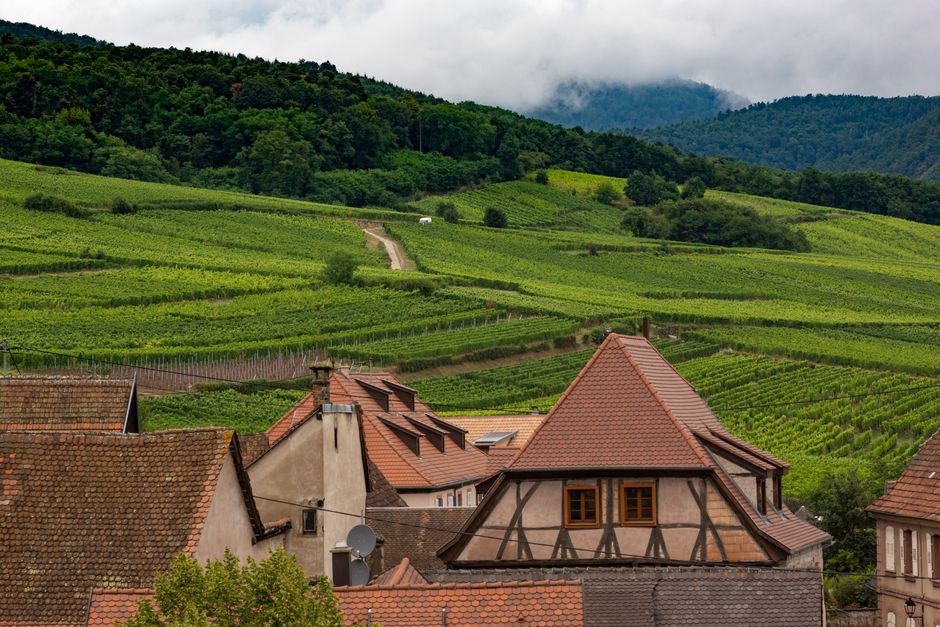
Mainland France is strategically divided into 13 administrative regions, a structure meticulously established by the 2016 territorial reform to enhance governance and regional identity. This comprehensive France regions travel guide begins by highlighting key areas such as Île-de-France, Provence-Alpes-Côte d’Azur, Nouvelle-Aquitaine, Occitanie, Auvergne-Rhône-Alpes, Grand Est, and Bretagne, each offering distinct cultural landscapes and economic contributions.
The Île-de-France region, home to the vibrant capital Paris, stands as France’s economic powerhouse, contributing approximately 31% of the nation’s GDP and attracting over 40 million tourists annually. Following closely, Provence-Alpes-Côte d’Azur captivates over 31 million visitors each year with its stunning coastal areas and iconic lavender fields, solidifying its status as the second most visited region.
For comprehensive planning, the official national tourism portal, France.fr, serves as an invaluable resource, providing detailed information on each region’s unique attractions and experiences. Understanding these administrative divisions is fundamental for any traveler seeking to immerse themselves in the diverse tapestry of French culture and geography.

Regional Transport: Trains & Buses
France boasts an exceptionally efficient regional transport network, primarily centered around its extensive rail system. High-speed TGV trains provide rapid connections from Paris to major regional hubs, facilitating journeys such as Paris to Lyon in approximately 2 hours, Paris to Marseille in about 3.5 hours, and Paris to Bordeaux in roughly 2 hours.
For shorter to medium distances, the regional train operator TER (Trains Express Régionaux), an integral part of SNCF, offers widespread coverage, connecting smaller towns and villages across the country; tickets and schedules are readily available via sncf-connect.com. Complementing the rail network, inter-regional bus services like FlixBus (flixbus.fr) and BlaBlaCar Bus (blablacarabuse.com) provide economical alternatives, particularly for routes not directly served by trains or for budget-conscious travelers.
This integrated transport infrastructure ensures seamless travel, allowing visitors to effortlessly transition between bustling cities, serene countryside, and picturesque coastal areas throughout their French exploration.

Ticket Types & Fares for Regional Travel
Understanding ticket types and fares is crucial for optimizing your regional travel budget in France. Regional train (TER) tickets for short to medium distances are generally affordable, typically costing between EUR 5-20, making them an excellent option for local exploration.
For inter-regional TGV journeys, prices can range significantly from EUR 25-100+ depending on how far in advance you book, the class of service, and the specific route. Booking directly via SNCF Connect (sncf-connect.com) is highly recommended for the best availability and pricing.
Travelers planning extensive regional train and TGV travel should consider purchasing a ‘Carte Avantage’ for EUR 49 per year, which offers substantial discounts of 25-50% on both TGV and TER fares. Additionally, the average cost for a regional bus journey within a department is typically EUR 1.50-3.00, though prices can vary based on the specific region and distance covered, providing a cost-effective alternative for local transit.
Top Regions for Culture, Wine & Scenery
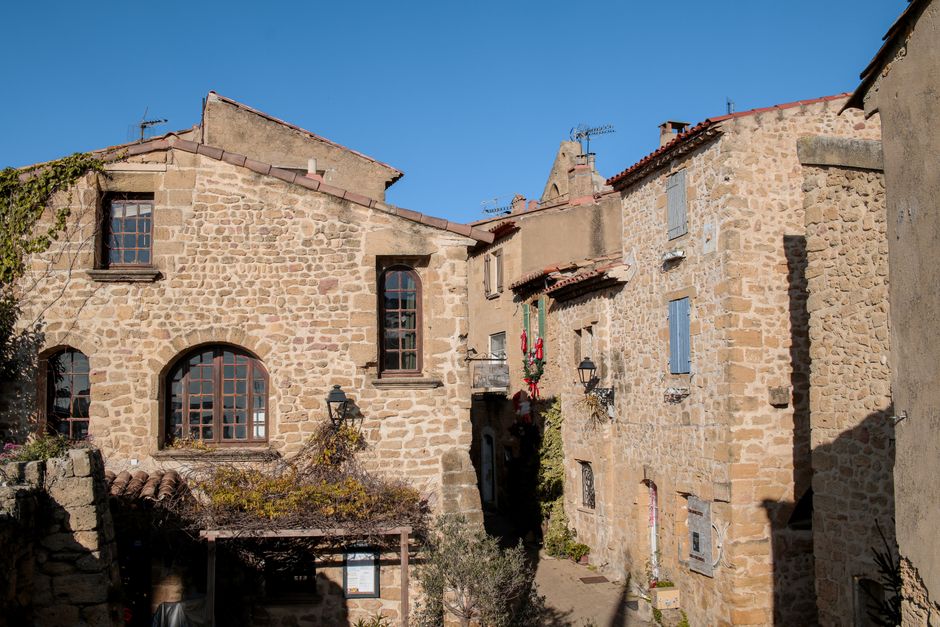
France’s diverse regions offer an unparalleled array of cultural, culinary, and scenic experiences, making this France regions travel guide essential for discerning travelers. The country boasts 17 distinct wine regions, with Bordeaux, Burgundy, and Champagne standing as the most famous, collectively accounting for over 80% of French wine exports and featuring renowned appellations like Bordeaux AOC, Bourgogne AOC, and Champagne AOC.
Beyond these iconic areas, regions such as Alsace and Côtes du Rhône also offer exceptional wines, each with unique characteristics. Culinary enthusiasts will appreciate the regional cheese appellations, including the robust Roquefort AOP, the nutty Comté AOP, and the creamy Camembert de Normandie AOP, which are integral to local gastronomy.
For detailed regional insights, official tourism websites like VisitParisRegion.com, Provence-Alpes-Cote-dAzur.com, Nouvelle-Aquitaine-Tourisme.com, and AuvergneRhoneAlpes-Tourisme.com provide comprehensive guides to local attractions, events, and accommodations, ensuring a rich and authentic experience.
Insider Tips for Exploring French Regions
To truly immerse yourself in the authentic charm of France’s regions, strategic planning is key. For regional train travel, always book TER tickets directly via SNCF Connect (sncf-connect.com) or at station kiosks, and consider investing in a ‘Carte Avantage’ (EUR 49/year) if you plan extensive journeys, as it offers significant 25-50% discounts on both TGV and TER fares.
To experience genuine regional culture and avoid the peak tourist crowds, aim to visit during the shoulder seasons, specifically April-May or September-October, when the weather is pleasant and local life thrives without the summer rush. During these periods, make an effort to explore smaller towns and villages beyond the main regional capitals, as they often reveal the most authentic facets of French life.
Upon arrival in any new region, immediately utilize the local tourism offices (Office de Tourisme); these invaluable resources provide free maps, detailed local event schedules, and frequently have partnerships for discounted local tours or attractions, proving indispensable for discovering hidden gems and enhancing your overall France regions travel guide experience.