
About Country
Where to Stay
What to Visit
Best Time to Visit
Things to Do
Local Cuisine
Directory & Info
Understanding France’s Diverse Climates
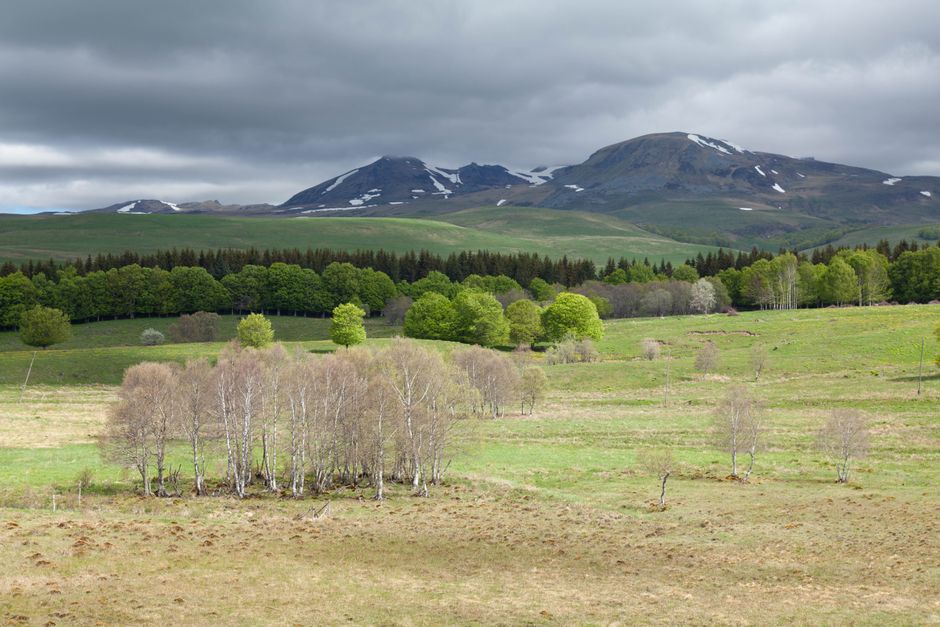
France experiences a remarkably diverse climate, a key factor shaping its varied landscapes and regional characteristics. The western parts of the country, particularly along the Atlantic coast, are characterized by an oceanic climate, bringing mild winters and cool, often damp summers. Moving eastward, the climate transitions to a continental influence, resulting in more pronounced seasonal extremes with hot summers and cold, crisp winters. The southern regions, especially the Mediterranean coast, enjoy a distinct Mediterranean climate, famous for its hot, dry summers and mild, wet winters, which significantly impacts the local flora and lifestyle. This intricate tapestry of France weather patterns makes planning a trip an engaging exercise in regional understanding.
This climatic diversity also translates into significant variations in sunshine hours across the nation. The Mediterranean coast, encompassing the Provence-Alpes-Côte d’Azur region, stands out as one of the sunniest areas, boasting over 2,700 hours of sunshine per year. In stark contrast, northern regions like Brittany typically receive around 1,700 hours of sunshine annually. This substantial difference underscores the importance of considering specific regional climates when planning activities and packing for your French adventure.

Seasonal Temperatures & Rainfall Across Regions
Seasonal temperatures and rainfall patterns vary dramatically across France, influencing everything from agricultural cycles to tourism flows. In the capital, Paris, the average July temperature is a pleasant 20°C (68°F), providing ideal conditions for sightseeing and outdoor dining. January, however, sees a cooler average of 5°C (41°F), often accompanied by crisp air and occasional frost. Rainfall in Paris averages 641 mm (25.2 inches) annually, distributed fairly evenly throughout the year, meaning light showers can occur in any season.
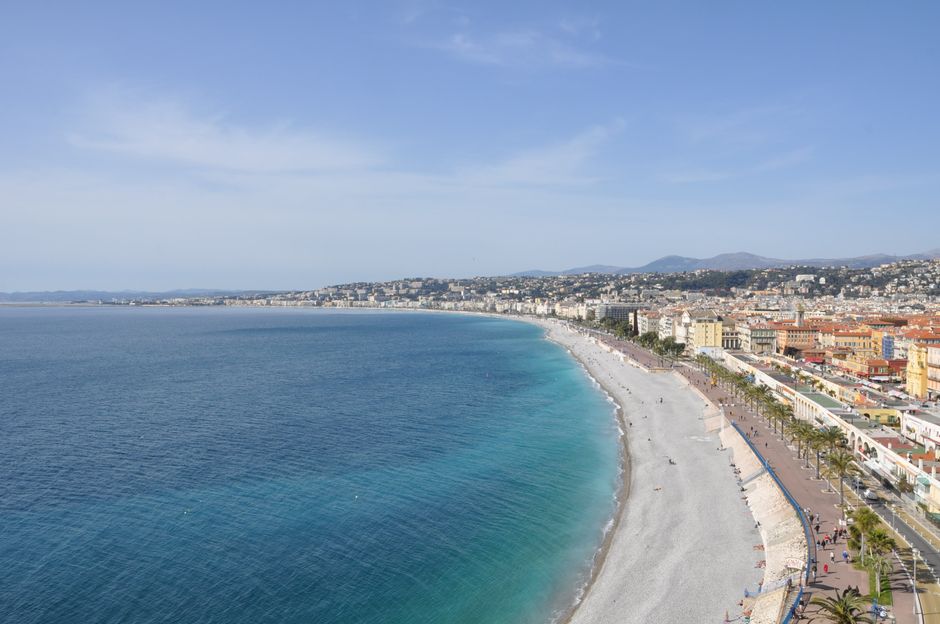
Further south, the Mediterranean coast presents a different climatic profile. Cities like Nice average a warm 24°C (75°F) in July, perfect for beach activities, while January averages a mild 9°C (48°F). This region experiences significantly less rainfall during the summer months, contributing to its reputation for sun-drenched holidays. The majority of rainfall along the Mediterranean coast occurs in autumn and winter, often in short, intense bursts, which is a crucial aspect of understanding France weather in this vibrant area.
Key Weather Phenomena to Know
Beyond general seasonal trends, specific weather phenomena can significantly impact regional experiences in France. One of the most notable is the Mistral wind, a strong, cold, and dry wind that frequently sweeps through Provence and the Rhône Valley. This powerful wind is particularly prevalent in winter and spring, often reaching speeds over 100 km/h (60 mph), and can dramatically lower perceived temperatures and clear the skies, offering stunning visibility. Its presence is a defining characteristic of the local France weather.
Travelers should also be aware of potential summer heatwaves, especially in central and southern France, where temperatures can soar, necessitating hydration and seeking shade. Conversely, mountainous regions like the Alps and Pyrenees can experience rapid weather changes, including sudden thunderstorms and significant snowfall in winter, demanding careful preparation and vigilance from hikers and skiers. Understanding these localized phenomena is essential for a safe and enjoyable trip.
Best Times to Visit France by Region & Activity
Choosing the best time to visit France largely depends on your desired activities and preferred regional climate. Generally, the shoulder seasons of May-June and September-October offer the most pleasant weather across much of France, with average temperatures comfortably ranging between 15-25°C (59-77°F) and the added benefit of fewer tourists. This period is ideal for exploring cities, enjoying wine regions, and experiencing the countryside without the intense heat or crowds of peak summer.
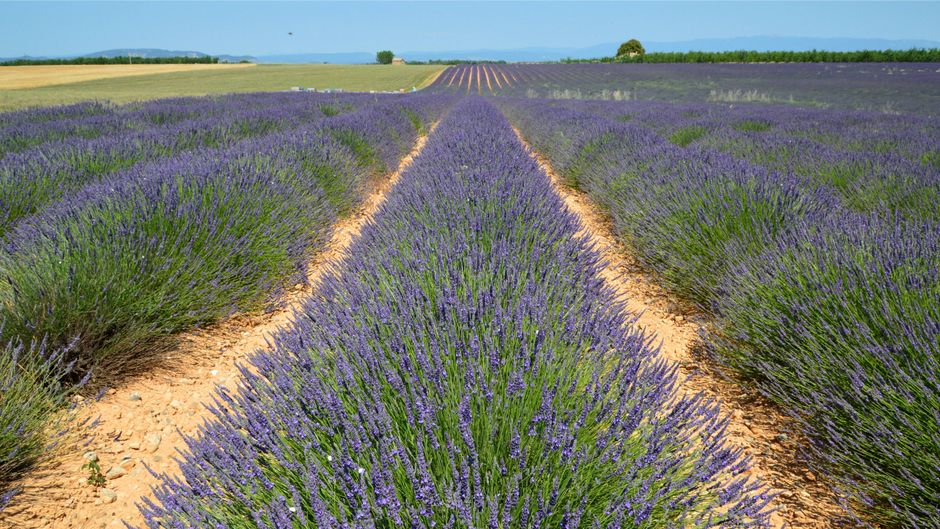
For those dreaming of beach holidays on the Mediterranean coast, visiting in late spring (May-June) or early autumn (September-October) is highly recommended. During these months, you can enjoy warm sea temperatures and delightful weather without the intense heat and overwhelming crowds typically found in July and August. Winter sports enthusiasts will find the best conditions in the Alps and Pyrenees from December to March, while spring (April-May) is perfect for witnessing the blooming landscapes of the Loire Valley and Provence.
Essential Weather Resources & Packing Tips
Effective trip planning for France requires access to reliable weather information and smart packing strategies. Always pack layers, especially when traveling in spring or autumn, as temperatures can fluctuate significantly within a single day, particularly in central and northern France. A waterproof jacket is also a wise inclusion, regardless of the season, given the potential for unexpected showers. For accurate forecasts, consult official sources like Météo-France (meteofrance.com), the national meteorological service, or popular private services such as La Chaîne Météo (lachainemeteo.com).
For international travelers, AccuWeather (accuweather.com) provides widely used forecasts with good local coverage across France. If you are planning wind-dependent activities, Windguru (windguru.cz) offers specialized forecasts for coastal and mountain regions. Crucially, before hiking in mountainous areas like the Alps or Pyrenees, always check the specific local mountain weather forecast from Météo-France, as conditions can change rapidly and differ greatly from valley forecasts. Staying informed about the latest France weather updates ensures a smoother and more enjoyable travel experience.