
Transfers in Germany
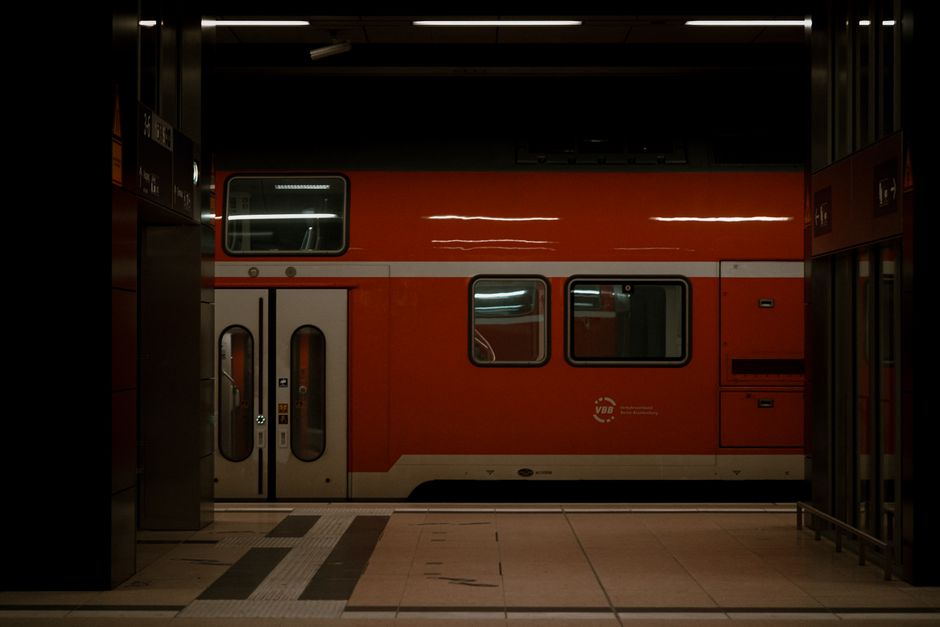
Airport Transfers: Berlin, Munich & Frankfurt
Navigating from Germany’s major airports to city centers is straightforward with efficient public transport. From Berlin Brandenburg Airport (BER), a single adult fare to Berlin city center (Zone ABC) costs 3.80 EUR. The Airport Express (FEX) provides a swift connection, reaching the city in approximately 30 minutes, operated by BVG (Berliner Verkehrsbetriebe), whose official website is bvg.de.
For travelers arriving at Munich Airport (MUC), a single adult fare to Munich city center (Zone M-5) is 11.60 EUR. The S-Bahn lines S1 or S8 offer reliable service, typically taking 40-45 minutes. Alternatively, the Lufthansa Express Bus provides a direct route to Munich Hauptbahnhof for 11.00 EUR, with a journey time of approximately 45 minutes, complementing the services of MVV (Münchner Verkehrs- und Tarifverbund) at mvv-muenchen.de.
From Frankfurt Airport (FRA), reaching Frankfurt Hauptbahnhof (city center) is remarkably quick, with a single adult fare costing 5.80 EUR. The S-Bahn lines S8 or S9 complete this journey in about 15 minutes, making it one of the fastest airport transfers in Germany. For comprehensive travel planning across the country, consult Deutsche Bahn (DB) at bahn.de, or RMV (Rhein-Main-Verkehrsverbund) at rmv.de for regional Frankfurt information.
When planning your airport transfer, especially if you intend extensive public transport use on the same day, consider purchasing a day ticket or a group day ticket, often called a ‘Tageskarte’ or ‘Gruppentageskarte’. These options can be significantly more economical than multiple single tickets, particularly for groups, and are a valuable tip for any Germany public transport guide.
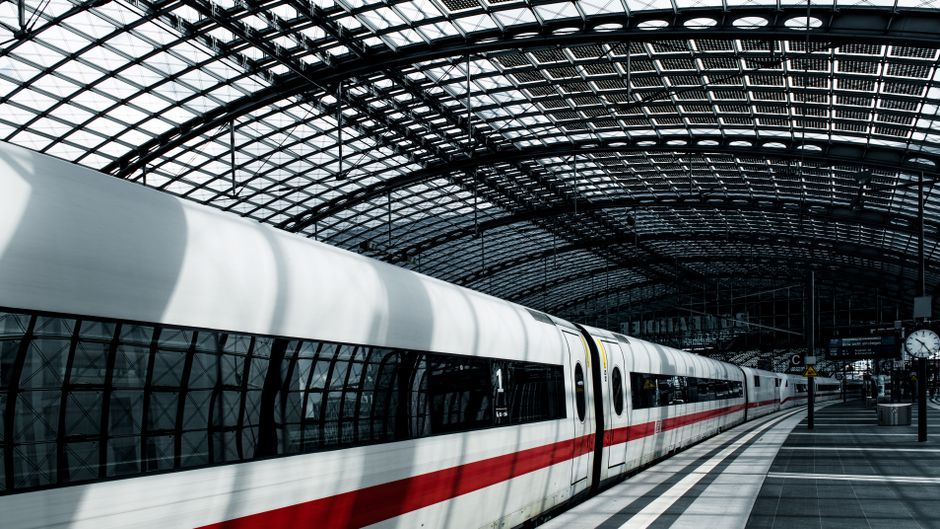
Public Transport Tickets & Fares
Germany’s public transport system, encompassing S-Bahn, U-Bahn, trams, and buses, operates on a proof-of-payment system that requires tickets to be validated. A single adult fare varies by city and zone, but the critical rule remains consistent: tickets must be validated before commencing your journey.
Validation typically involves stamping your ticket in a small machine found at the platform entrance for S-Bahn and U-Bahn, or directly inside the vehicle for trams and buses. This simple step activates your ticket, marking the start of its validity period and preventing any misunderstandings with transport authorities.
It is imperative to always purchase and validate your public transport ticket BEFORE boarding. Plainclothes inspectors frequently conduct checks across all networks, and an unvalidated ticket, even if purchased, is considered fare evasion. This strict enforcement is a key aspect of the Germany public transport guide, ensuring fair usage for all passengers.

Essential Validation Rules & Fines
Understanding and adhering to ticket validation rules is paramount for a smooth travel experience in Germany. An unvalidated ticket, regardless of whether it was paid for, is legally treated as an invalid ticket, making the passenger liable for penalties. This system relies on passenger honesty and strict adherence to protocol.
Failure to validate your ticket before or at the start of your journey can result in a substantial fine of 60 EUR. These fines are consistently enforced by transport staff, including plainclothes inspectors who patrol routes to ensure compliance. There is generally no leniency for tourists claiming ignorance of the rules.
To avoid any penalties, always locate the small validation machines at platform entrances or inside buses and trams and stamp your ticket immediately upon boarding or before entering the paid area. This crucial step is a fundamental component of any comprehensive Germany public transport guide and ensures a hassle-free journey.

Taxis & Ride-Hailing Apps
Taxis in major German cities offer a convenient, albeit more expensive, mode of transport. The average taxi base fare typically ranges from 3.50-4.00 EUR, with a per-kilometer rate of 2.00-2.50 EUR. Additionally, waiting time can incur charges of around 30 EUR per hour, so it is wise to consider these costs for longer journeys or during peak traffic.
For those preferring digital convenience, ride-hailing apps are widely available. Free Now (formerly MyTaxi) is a particularly popular choice in Germany, offering both traditional taxi services and private hire options. Uber also operates in major German cities, providing another reliable alternative for on-demand transport.
When opting for a taxi, always ensure the meter is running and displays the correct starting fare to prevent potential overcharging, although such incidents are rare with reputable drivers. Using apps like Free Now provides an added layer of security, as they offer fare estimates and track the journey, enhancing transparency for passengers.
For intercity travel on a budget, consider services like FlixBus or FlixTrain, which offer extensive networks across Germany and Europe. Their official website, flixbus.com, provides schedules and bookings for these cost-effective long-distance bus and train options, complementing local taxi and public transport services.